If you've noticed that your fluffy friend excessively licks and nibbles at his paws, you should not leave it like that. It might have several causes. Whether it's a psychological problem, allergy, yeast or other problem, the situation must be addressed.
Recently, I’ve noticed that my dog often licks its paws and sometimes, he nibbles at them for so long that his fingers are all red and irritated. So, I started to search for the cause and was surprised how many different reasons the nibbling of paws can have.
If your dog licks or nibbles on his paws sporadically and not regularly, it's fine. Since this activity increase his production of endorphins, so in other words, this gives him a feeling of pleasure. However, this activity might turn into a bad habit or even obsessive compulsive behaviour. It becomes a vicious circle for the fluffy guy. First, he will irritate the paws by excessive licking. They then start to itch, which makes him lick and bite them even more and this causes even more irritation. Wet spaces between the fingers then become an ideal environment for yeast or other bacterial disease or fungi.
When determining the cause, you should at first thoroughly examine the dog’s paws and exclude stuck thorns, thistles and other foreign objects as well as cut or similar wounds. If you don't find anything, rather visit the vet. They will test a skin sample or treat an infection or prescribes antibiotics. I can also recommend you a product with an anti-itching effect. It definitely won’t hurt either, if you bathe the dog in a disinfection shampoo.
One of the causes of itchiness of the paws may therefore be yeast, which thrives in the damp spaces between the fingers. So, after every walk in the rain or wet, it’s better to wipe the dog’s paws. If your fluffy friend has dense tufts of hair in between the fingers, rather dry them even in the summer after bathing, so that his paws won’t get damp. You can identify yeast according to a reddish and festering space between the fingers or red-and-black secretion that may colour also the hair of the paws.
The dog may have itchy paws also due to an allergy. You can therefore try to change his diet, to replace it with a hypoallergenic grain-free variant. Fortunately, this worked for us and after we started using hypoallergenic granules, the biting of the paws stopped. However, it doesn’t always have to be a food allergy. Then it’s necessary to perform tests for allergens or try to exclude possible causes like detergents, dust, pollens, mites and the like.
A hormonal disease may be responsible for itchy paws, such as reduced function of the thyroid gland, autoimmune skin disease, inflammation of the nail bed, parasitic diseases or fungi. However, the true cause can be identified only by a veterinarian.
Biting and licking of the paws, however, may not be caused only by itchiness. The reason for it may be also psychological discomfort of the dog such as stress, boredom or separation anxiety.
Whether it's any cause, it always applies that you should prevent the dog from licking and nibbling on its paws as soon as you find out about it. When you caught him doing it, try to distract him with a game, for instance. Shouting at him won’t probably help much. On the contrary, putting on a protective shield or shoes can be effective. I personally do not recommend shoes too much, because the paws can’t adequately breathe in them. For me personally, the best thing to do when finding about irritation is to visit a veterinarian and at least to consult the condition with them. This way, you can considerably shorten the search for the cause and relieve the dog from the issue earlier.
Have you also had trouble with paws biting of your fluffy friend? And did you manage to successfully resolve it?
Orientálky se vzhledem i charakterem velmi podobají siamkám. Tyto elegantní kočky se hodí pro extroverty, co hledají společníka na 100%. O jejich přítomnosti totiž vždy víte a případný nedostatek pozornosti vám jistě dají najevo.
Studie prokázala, že psi s námi sdílí určitý jazykový talent, který byl do té doby přisuzován jen nám lidem. Jejich rozeznávací schopnost lidské řeči je mnohem obsáhlejší, než jsme si doposud mysleli.
Na internetu najdete tvrzení, že kukuřice je jen levnou výplní krmiv nebo že do psí misky nepatří vůbec. V některých kvalitních krmivech ji ale najdete. Jak to s ní tedy ve skutečnosti je?
Silvestr je pro většinu psů i koček více či méně stresujícím svátkem. Všude plno hluku a záblesků, které je děsí. Jak jim přežití téhle noci alespoň trochu ulehčit?
Psí sportovci potřebují zvláštní péči ať už jde o výživu, podporu regenerace, nebo pohybový režim. Jaká základní fakta byste měli znát a řídit se jimi, pokud doma psa sportovce máte?
Vánoce jsou časem lásky, rodiny a v neposlední řadě i štědrosti a dobrých skutků. Ne každý je ale může prožít v teple domova, platí to i o našich čtyřnohých společnících. Jak jim v tomto čase můžeme pomoci a třeba si i sami zpestřit čas?
Psy bereme jako členy rodiny a je pochopitelné, že je nechceme vynechat ani z tradice štědrovečerní večeře. Dělit se s nimi o naše jídlo bychom ale neměli, co jim tedy připravit?
Zdobení stromečku a balení dárků je mnohdy za přítomnosti kočky horší jak s dětmi. Všude samé kočičí pokušení - blikátka, rolničky, jmelí, stuhy a balící papír. Jak na to, abyste Vánoce přežili všichni bez újmy?
Ekologie je jedním z hlavních témat dnešní doby a spousta pejskařů řeší, jak ji aplikovat i na své parťáky. V péči o psa ještě sice tolik možností nemáme, ovšem starat se o něj šetrněji k planetě i tak jde.
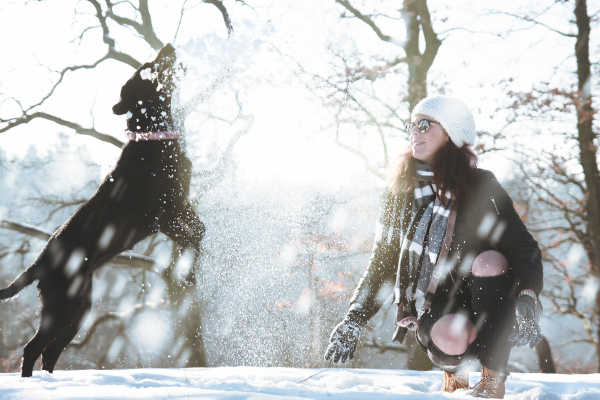
Sníh nabízí psům spoustu zábavy. Skákání do závějí, chytání sněhových vloček, válení psích “andělíčků”, ochutnávání sněhu... aby se zábava nezměnila ve starost, je potřeba užívat si s mírou a na určité věci si dávat pozor.
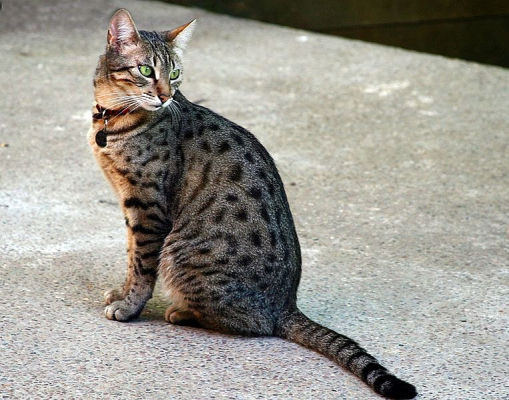
Egyptian mau je prý přímým potomkem posvátných koček ze starého Egypta. Tyto kočky jsou nápadné hlavně svou zvláštní tečkovanou kresbou. Jsou to poměrně nároční společníci sršící energií.