
Dostáváte rádi kytice? Pět květin, které jsou bezpečné pro vaše kočky
To, že je spousta pokojových květin pro kočky jedovatá, asi každý z nás ví. Napadlo vás ale někdy přemýšlet i o řezaných květinách, které si přinesete domů?
If you've noticed that your fluffy friend excessively licks and nibbles at his paws, you should not leave it like that. It might have several causes. Whether it's a psychological problem, allergy, yeast or other problem, the situation must be addressed.
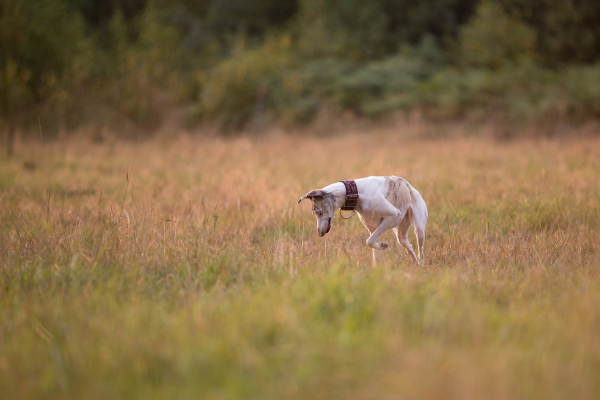
Recently, I’ve noticed that my dog often licks its paws and sometimes, he nibbles at them for so long that his fingers are all red and irritated. So, I started to search for the cause and was surprised how many different reasons the nibbling of paws can have.
If your dog licks or nibbles on his paws sporadically and not regularly, it's fine. Since this activity increase his production of endorphins, so in other words, this gives him a feeling of pleasure. However, this activity might turn into a bad habit or even obsessive compulsive behaviour. It becomes a vicious circle for the fluffy guy. First, he will irritate the paws by excessive licking. They then start to itch, which makes him lick and bite them even more and this causes even more irritation. Wet spaces between the fingers then become an ideal environment for yeast or other bacterial disease or fungi.
When determining the cause, you should at first thoroughly examine the dog’s paws and exclude stuck thorns, thistles and other foreign objects as well as cut or similar wounds. If you don't find anything, rather visit the vet. They will test a skin sample or treat an infection or prescribes antibiotics. I can also recommend you a product with an anti-itching effect. It definitely won’t hurt either, if you bathe the dog in a disinfection shampoo.
One of the causes of itchiness of the paws may therefore be yeast, which thrives in the damp spaces between the fingers. So, after every walk in the rain or wet, it’s better to wipe the dog’s paws. If your fluffy friend has dense tufts of hair in between the fingers, rather dry them even in the summer after bathing, so that his paws won’t get damp. You can identify yeast according to a reddish and festering space between the fingers or red-and-black secretion that may colour also the hair of the paws.
The dog may have itchy paws also due to an allergy. You can therefore try to change his diet, to replace it with a hypoallergenic grain-free variant. Fortunately, this worked for us and after we started using hypoallergenic granules, the biting of the paws stopped. However, it doesn’t always have to be a food allergy. Then it’s necessary to perform tests for allergens or try to exclude possible causes like detergents, dust, pollens, mites and the like.
A hormonal disease may be responsible for itchy paws, such as reduced function of the thyroid gland, autoimmune skin disease, inflammation of the nail bed, parasitic diseases or fungi. However, the true cause can be identified only by a veterinarian.
Biting and licking of the paws, however, may not be caused only by itchiness. The reason for it may be also psychological discomfort of the dog such as stress, boredom or separation anxiety.
Whether it's any cause, it always applies that you should prevent the dog from licking and nibbling on its paws as soon as you find out about it. When you caught him doing it, try to distract him with a game, for instance. Shouting at him won’t probably help much. On the contrary, putting on a protective shield or shoes can be effective. I personally do not recommend shoes too much, because the paws can’t adequately breathe in them. For me personally, the best thing to do when finding about irritation is to visit a veterinarian and at least to consult the condition with them. This way, you can considerably shorten the search for the cause and relieve the dog from the issue earlier.
Have you also had trouble with paws biting of your fluffy friend? And did you manage to successfully resolve it?

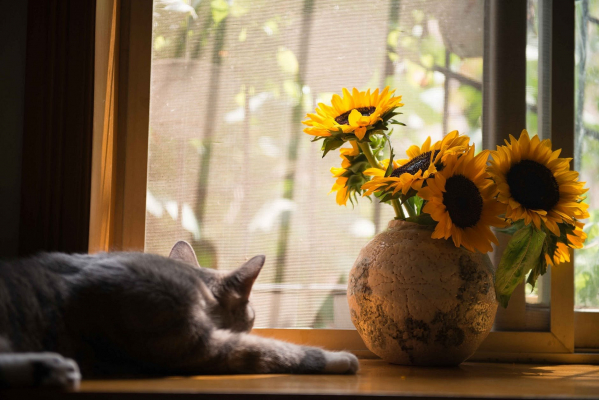
To, že je spousta pokojových květin pro kočky jedovatá, asi každý z nás ví. Napadlo vás ale někdy přemýšlet i o řezaných květinách, které si přinesete domů?


Je jasné, že o bílou srst je třeba se starat, aby nežloutla, nerezla nebo nehnědla. Napadlo vás ale někdy, že je možné zářivě bílý kožich podpořit i pomocí krmiva a doplňků stravy?

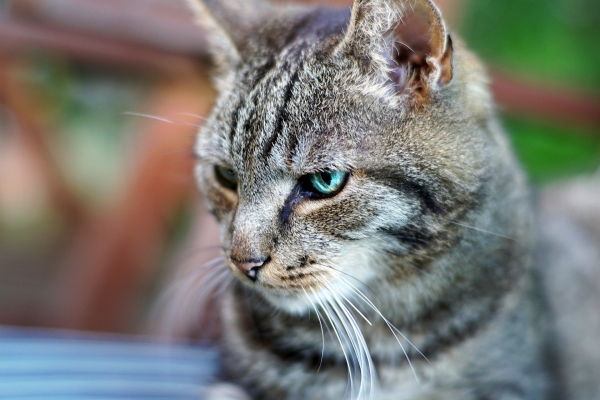
Evropská krátkosrstá kočka má obyčejný vzhled, a navíc ne tak ustálenou povahu jako jiná plemena. Proto není ve světě nijak extra oblíbená, až na Skandinávii, kde si popularitu drží.

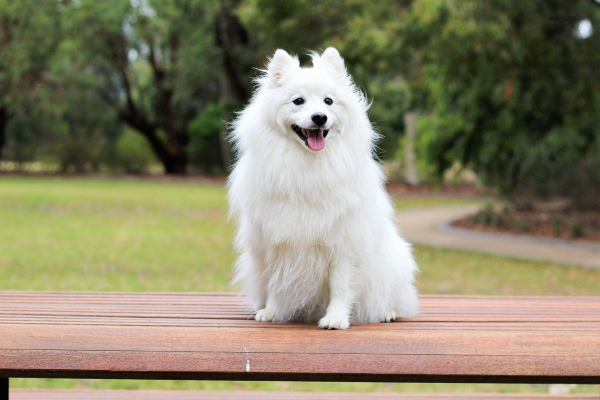
Tenhle věčně živý a hravý společník je nejstarším psím plemenem ve střední Evropě. Mezi jeho předky se řadí i psi z doby kamenné. Je to mimořádně učenlivý pes a skvělý hlídač. Charakteristická je pro něj velmi bohatá srst odstávající od těla.


Pokud s vámi doma žije alespoň jeden kočičí společník, určitě jste se už někdy probudili s vrnícím tělem na svých nohou, břiše, zádech nebo dokonce hlavě. Jen málokterá kočka pohrdne teplem postele. Přemýšleli jste už ale někdy o tom, proč si kočky...

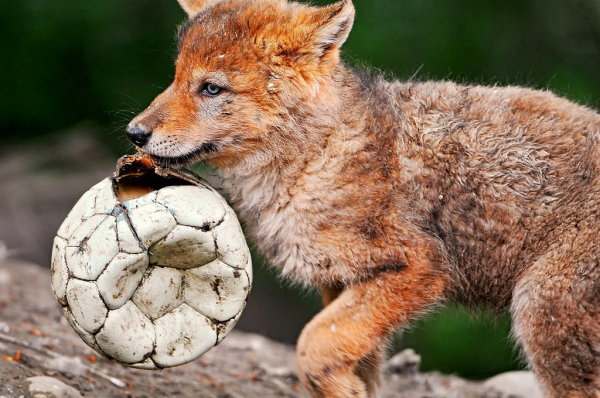
Aportování bylo považováno za chování výlučně psí, získané během 15 000 let domestikace. Vědci teď ale zjistili, že aportují i vlčí mláďata. Výsledky výzkumu naznačují, že tahle forma hry může být vrozená všem psím druhům.


Víte, jak vlastně psovi teplotu změřit, nebo jaká je vůbec jeho přirozená teplota? Připravte se raději dřív, než to budete potřebovat, ať vás pak situace nezaskočí.

Toto kočičí plemeno si jen tak s žádným jiným nespletete. Má nápadně tečkovanou tabby kresbu srsti a zvláštní pružnou a plynulou chůzi. Při pohledu na ni vás okamžitě napadne spojení s leopardem.

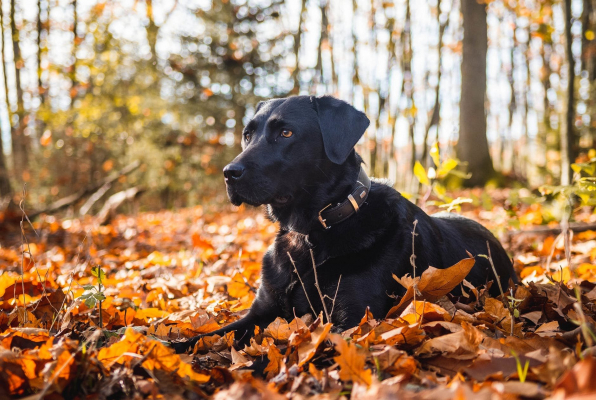
V Choceradech na Berounsku se na ploše jednoho a půl hektaru rozkládá Les psích duší. Tento unikátní projekt má posloužit přírodě i lidem, kterým odešel čtyřnohý člen rodiny.

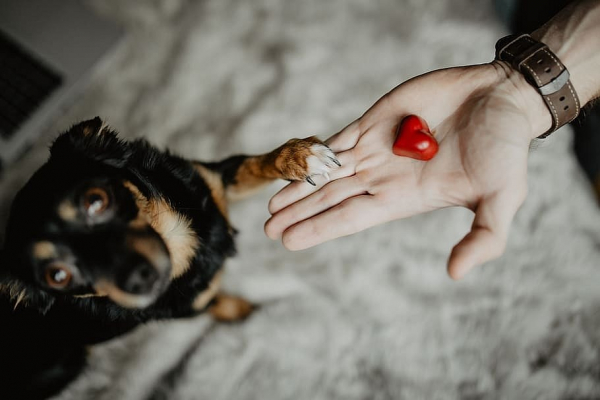
Při tomto svátku zamilovaných se oslavuje naše náklonnost k těm nejbližším. Mezi ty bezesporu patří i naši psí a kočičí (a samozřejmě i další) parťáci. Nezapomeňte tedy v tenhle den ani na ně!

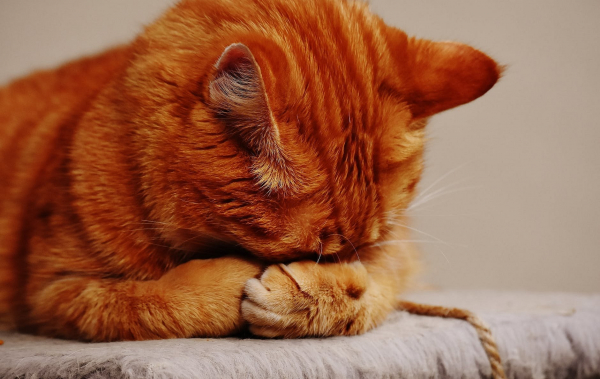
Je vaše kočka nemocná, ve stresu nebo má jiný důvod, proč nechce jíst? Tady je pár tipů, jak opět nastartovat její apetit.

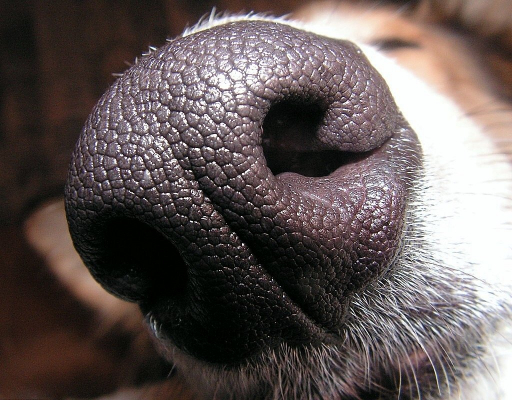
Věděli jste, že psi dokáží diagnostikovat rakovinu v jejím nejrannějším stádiu, dokonce dřív, než přístroje? V tom tkví obrovský potenciál, mohlo by to totiž vést k novým neinvazivním a levným způsobům, jak tuto nemoc odhalit.