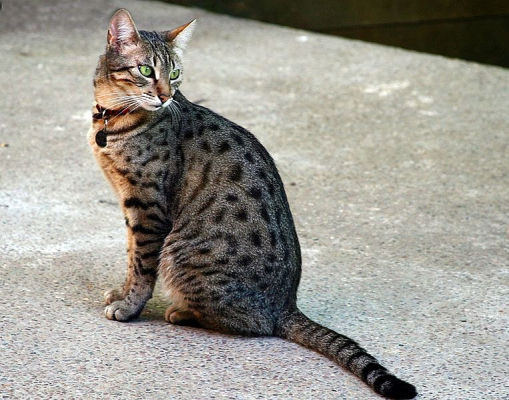
Did you know that the domestic cat which is now kept as a pet all over the world, is probably a domesticated form of the wild cat, specifically of its subspecies the African wildcat, European wildcat and Asiatic wildcat?
Did you know that the domestic cat which is now kept as a pet all over the world, is probably a domesticated form of the wild cat, specifically of its subspecies the African wildcat, European wildcat and Asiatic wildcat?
Cat has accompanied humans already for thousands of years. The oldest existing records of existence of domesticated cats come from the time of 8,000 years ago from Turkey. However, its domestication started already with first stable human settlements, approximately 12,000 years ago. Humans have spread the domestic cat around the whole world where it’s still kept in many households.
Egypt
The greatest glory of the cat occurred in Egypt where it became a significant part of the human life around the year of 3,000 BC. The ancient Egyptians worshipped the cat as a deity. According to them, it had the power to protect humans from evil. That’s why killing of a cat was punished by death and body of a dead cat was embalmed. The most sacred was the black cat who protected the Egyptian temples, it even had its own goddess Bastet. Although export of cats from Egypt was prohibited, thanks to traders, these protectors of harvest still spread into the whole Mediterranean.
China
In China, the breeding of cats started around 1,000 BC. Cat wasn’t missing in any temple and it was under the protection of the Buddhist religion, it was allegedly supposed to protect from poverty. However, a superstition also comes from China, that black cat bears bad luck.
India
In India, the domestication of the cat occurred at the break of the era. Cat was worshipped here in the form of the goddess of fertility Shashthi. Nevertheless, the Indians believed, that fallen-out cat hair can ritually foul a man.
Japan
Cat got to Japan only at the beginning of the Middle Ages from China. Its task here was to guard the cocoons of the silkworm and to protect old manuscripts in temples from rats. The Japanese also believed, that a cat who will live up to a hundred years will turn into a witch.
Greece
First evidence in Europe comes precisely from Greece, from the 5th century BC, when the cat started to appear in various depictions on ceramics, specifically on vases. Here, the cat was associated with the goddesses Aphrodite and Artemis.
Rome
Cat got to Rome at the same time as to India, at the break of the era, and it became a decoration of palaces. But soon, it spread also to the lower classes. Although the Romans overtook the cult of the goddess Artemis from the Greeks (they called it Diana themselves), they had a rather pragmatic approach towards cats as the hunters of rodents.
England and Scotland
The cat was brought to England only by Roman legionnaires on their military campaigns. As in the rest of Europe, the cat was protected by law in England and its killing was strictly penalised.
Although the cat was respected almost everywhere, the view of the people changed soon afterwards and their persecution began. You’ll read more in the next article.
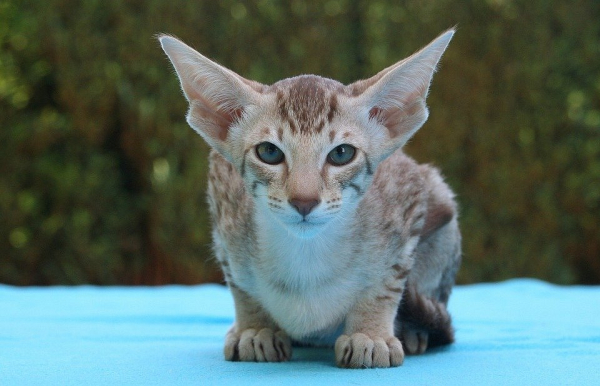
Orientálky se vzhledem i charakterem velmi podobají siamkám. Tyto elegantní kočky se hodí pro extroverty, co hledají společníka na 100%. O jejich přítomnosti totiž vždy víte a případný nedostatek pozornosti vám jistě dají najevo.
Studie prokázala, že psi s námi sdílí určitý jazykový talent, který byl do té doby přisuzován jen nám lidem. Jejich rozeznávací schopnost lidské řeči je mnohem obsáhlejší, než jsme si doposud mysleli.
Na internetu najdete tvrzení, že kukuřice je jen levnou výplní krmiv nebo že do psí misky nepatří vůbec. V některých kvalitních krmivech ji ale najdete. Jak to s ní tedy ve skutečnosti je?
Silvestr je pro většinu psů i koček více či méně stresujícím svátkem. Všude plno hluku a záblesků, které je děsí. Jak jim přežití téhle noci alespoň trochu ulehčit?
Psí sportovci potřebují zvláštní péči ať už jde o výživu, podporu regenerace, nebo pohybový režim. Jaká základní fakta byste měli znát a řídit se jimi, pokud doma psa sportovce máte?
Vánoce jsou časem lásky, rodiny a v neposlední řadě i štědrosti a dobrých skutků. Ne každý je ale může prožít v teple domova, platí to i o našich čtyřnohých společnících. Jak jim v tomto čase můžeme pomoci a třeba si i sami zpestřit čas?
Psy bereme jako členy rodiny a je pochopitelné, že je nechceme vynechat ani z tradice štědrovečerní večeře. Dělit se s nimi o naše jídlo bychom ale neměli, co jim tedy připravit?
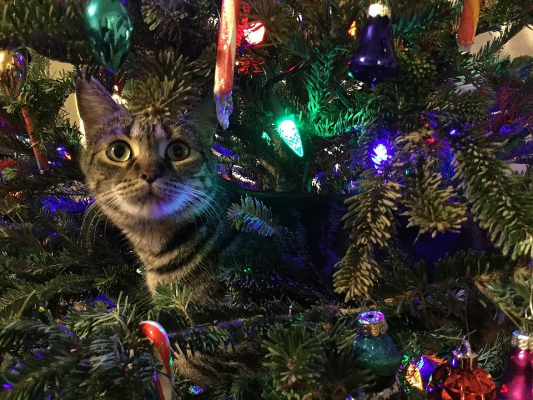
Zdobení stromečku a balení dárků je mnohdy za přítomnosti kočky horší jak s dětmi. Všude samé kočičí pokušení - blikátka, rolničky, jmelí, stuhy a balící papír. Jak na to, abyste Vánoce přežili všichni bez újmy?
Ekologie je jedním z hlavních témat dnešní doby a spousta pejskařů řeší, jak ji aplikovat i na své parťáky. V péči o psa ještě sice tolik možností nemáme, ovšem starat se o něj šetrněji k planetě i tak jde.
Sníh nabízí psům spoustu zábavy. Skákání do závějí, chytání sněhových vloček, válení psích “andělíčků”, ochutnávání sněhu... aby se zábava nezměnila ve starost, je potřeba užívat si s mírou a na určité věci si dávat pozor.
Egyptian mau je prý přímým potomkem posvátných koček ze starého Egypta. Tyto kočky jsou nápadné hlavně svou zvláštní tečkovanou kresbou. Jsou to poměrně nároční společníci sršící energií.