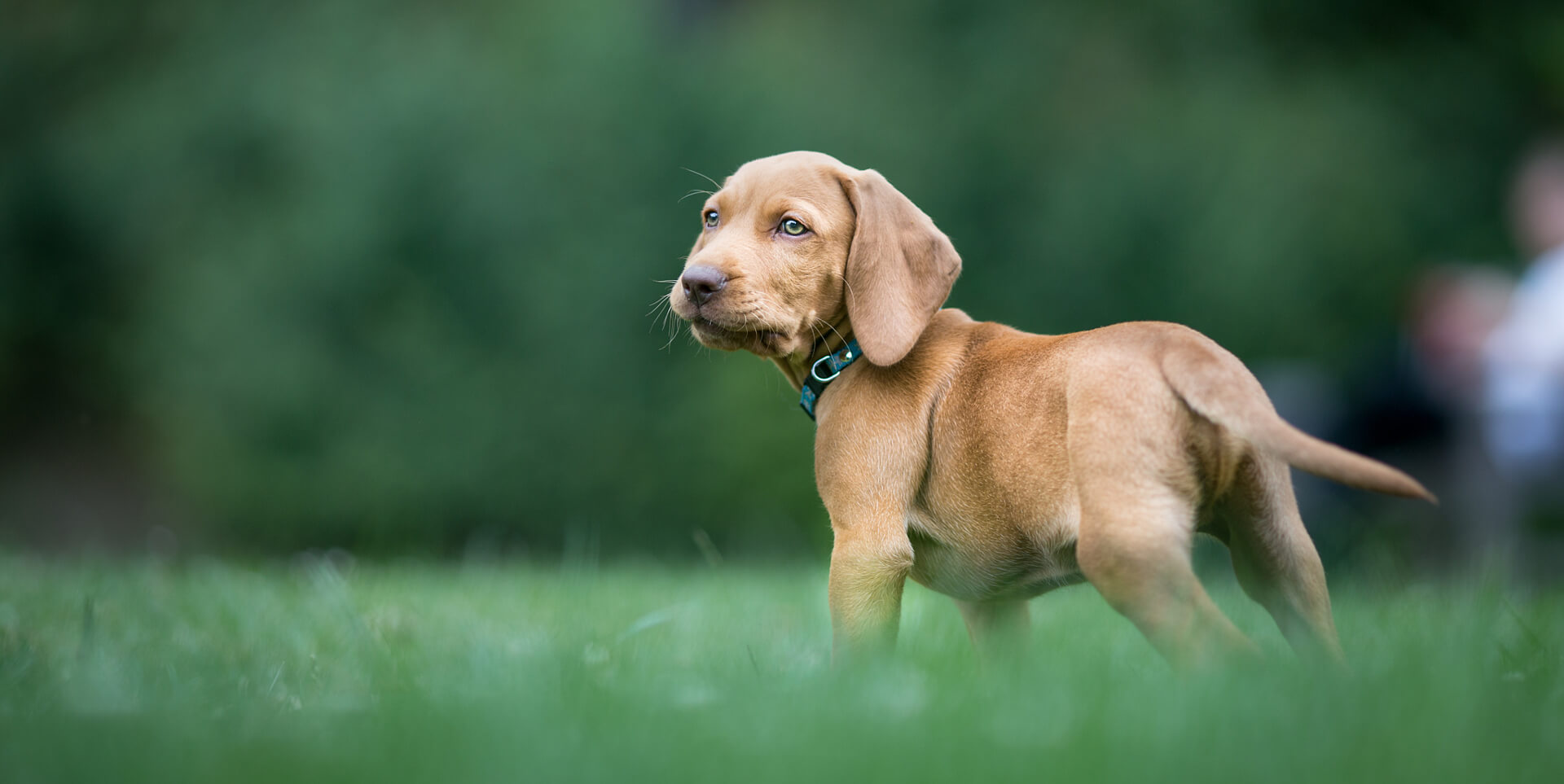
If you've noticed that your fluffy friend excessively licks and nibbles at his paws, you should not leave it like that. It might have several causes. Whether it's a psychological problem, allergy, yeast or other problem, the situation must be addressed.
Recently, I’ve noticed that my dog often licks its paws and sometimes, he nibbles at them for so long that his fingers are all red and irritated. So, I started to search for the cause and was surprised how many different reasons the nibbling of paws can have.
If your dog licks or nibbles on his paws sporadically and not regularly, it's fine. Since this activity increase his production of endorphins, so in other words, this gives him a feeling of pleasure. However, this activity might turn into a bad habit or even obsessive compulsive behaviour. It becomes a vicious circle for the fluffy guy. First, he will irritate the paws by excessive licking. They then start to itch, which makes him lick and bite them even more and this causes even more irritation. Wet spaces between the fingers then become an ideal environment for yeast or other bacterial disease or fungi.
When determining the cause, you should at first thoroughly examine the dog’s paws and exclude stuck thorns, thistles and other foreign objects as well as cut or similar wounds. If you don't find anything, rather visit the vet. They will test a skin sample or treat an infection or prescribes antibiotics. I can also recommend you a product with an anti-itching effect. It definitely won’t hurt either, if you bathe the dog in a disinfection shampoo.
One of the causes of itchiness of the paws may therefore be yeast, which thrives in the damp spaces between the fingers. So, after every walk in the rain or wet, it’s better to wipe the dog’s paws. If your fluffy friend has dense tufts of hair in between the fingers, rather dry them even in the summer after bathing, so that his paws won’t get damp. You can identify yeast according to a reddish and festering space between the fingers or red-and-black secretion that may colour also the hair of the paws.
The dog may have itchy paws also due to an allergy. You can therefore try to change his diet, to replace it with a hypoallergenic grain-free variant. Fortunately, this worked for us and after we started using hypoallergenic granules, the biting of the paws stopped. However, it doesn’t always have to be a food allergy. Then it’s necessary to perform tests for allergens or try to exclude possible causes like detergents, dust, pollens, mites and the like.
A hormonal disease may be responsible for itchy paws, such as reduced function of the thyroid gland, autoimmune skin disease, inflammation of the nail bed, parasitic diseases or fungi. However, the true cause can be identified only by a veterinarian.
Biting and licking of the paws, however, may not be caused only by itchiness. The reason for it may be also psychological discomfort of the dog such as stress, boredom or separation anxiety.
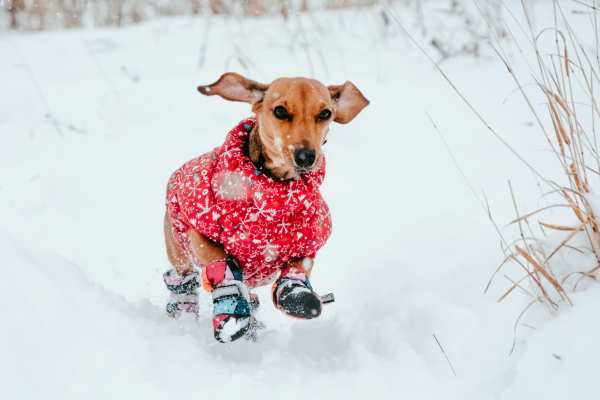
Whether it's any cause, it always applies that you should prevent the dog from licking and nibbling on its paws as soon as you find out about it. When you caught him doing it, try to distract him with a game, for instance. Shouting at him won’t probably help much. On the contrary, putting on a protective shield or shoes can be effective. I personally do not recommend shoes too much, because the paws can’t adequately breathe in them. For me personally, the best thing to do when finding about irritation is to visit a veterinarian and at least to consult the condition with them. This way, you can considerably shorten the search for the cause and relieve the dog from the issue earlier.
Have you also had trouble with paws biting of your fluffy friend? And did you manage to successfully resolve it?
Kočky jsou od přírody šelmy, které milují pohyb venku, kde je spousta vjemů a příležitostí k lovu. Jsou ale také oblíbeným domácím mazlíčkem, který může bez problémů žít i v malém bytě. Přinášíme několik tipů, aby kočce žijící uvnitř nic nechybělo.
Pokud přemýšlíte o tom, že byste si domů rádi přinesli nového čtyřnohého člena rodiny, možná vás napadla adopce jako jedna z možností. V českých útulcích je spousta pejsků, kteří touží po teple domova a jeden z nich je možná opravdu pro vás ten...
Kočky jsou poměrně samostatná zvířata, a to zejména v péči o svůj zevnějšek. Zdravou kočku tak stačí jednou za čas vykartáčovat a máte hotovo. Lesklý a krásně vypadající kožíšek svědčí o pevném zdraví. Co ale dělat v případě, že má vaše kočka...
Svatý Valentýn je svátkem lásky, ale i přátelství. To však neznamená, že se týká jen lidí. Oslavte svátek svatého Valentýna i se svým psím parťákem a oplaťte mu jeho bezpodmínečnou lásku a přátelství. Přinášíme vám několik tipů, jak si společný...
Že má kočka 9 životů? Bohužel má jako každý jiný živý tvor život jen jeden, a i proto je kočkám potřeba věnovat tu nejlepší péči, aby po našem boku žily co nejdelší a nejspokojenější život. Při správné péči (a dávce štěstí) může s námi v domácnosti...
Rozhodli jste udělat krok k uchovnění své kočky a nyní se připravujete na její první březost? Březí kočce je potřeba poskytnout jen to nejlepší, aby donosila zdravá a prosperující koťátka. Zapomínat by se nemělo na kvalitní výživu ani dostatek...
Nové koťátko přináší do našich domácností spoustu radosti. Ale také odpovědnosti za jeho zdraví. Přestože kastrace má na kočičí zdraví spíše pozitivní dopad, je mezi majiteli stále strašákem. V tomto článku proto přinášíme odpovědi na řadu otázek,...
Problémy pohybového aparátu netrápí jen nás, ale bolest zad nebo kloubů může potkat i naše psí parťáky. Dobrou zprávou je, že většině problémů můžeme předcházet nebo psům od bolesti co nejvíce ulevit!
I v zimě potřebuje srst vašeho čtyřnohého parťáka péči. Jeho pokožka dostává vlivem chladného počasí totiž zabrat více než v letním období. Čemu bychom tedy v péči o naše chlupáče měli věnovat zvýšenou pozornost?
V následujících měsících se spousta z nás chystá na zimní dovolenou na horách. Na dovolené stále častěji vyráží opravdu všichni členové rodiny, včetně našich čtyřnohých parťáků. Pokud na zimní dovolenou berete svého psa poprvé, měli byste se...
Od nového roku má spousta z nás velká očekávání. Leden se tak často nese v duchu vyhlížení změn k lepšímu a dávání si novoročních předsevzetí. Ta většinou zní opravdu hezky, ale u teorie to zpravidla končí. Co to zkusit tentokrát jinak? Novoroční...
Pro zimní období je čím dál typičtější proměnlivé a nevyzpytatelné počasí. Kolísání teplot, déšť, námraza a sníh mohou vašeho pejska během venčení potrápit. V zimních měsících byste proto měli věnovat zvýšenou pozornost psím tlapkám a psí imunitě.