
Kočičí rýma
Kočku může rýma potrápit o dost hůř než nás. U nich totiž jde o poměrně vážné a hlavně velice nakažlivé virové onemocnění. Kočičí rýmou se totiž označuje souhrn onemocnění, mezi jejichž příznaky patří právě rýma.
If you've noticed that your fluffy friend excessively licks and nibbles at his paws, you should not leave it like that. It might have several causes. Whether it's a psychological problem, allergy, yeast or other problem, the situation must be addressed.
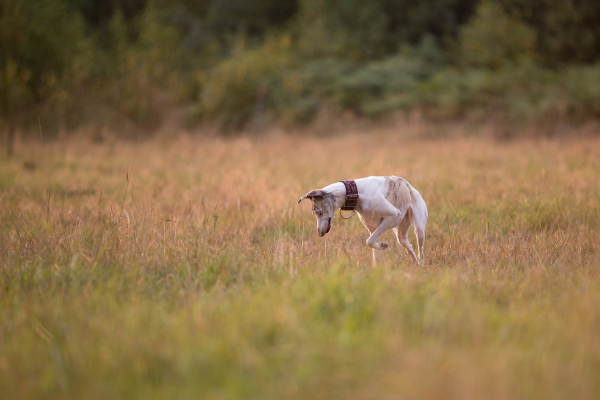
Recently, I’ve noticed that my dog often licks its paws and sometimes, he nibbles at them for so long that his fingers are all red and irritated. So, I started to search for the cause and was surprised how many different reasons the nibbling of paws can have.
If your dog licks or nibbles on his paws sporadically and not regularly, it's fine. Since this activity increase his production of endorphins, so in other words, this gives him a feeling of pleasure. However, this activity might turn into a bad habit or even obsessive compulsive behaviour. It becomes a vicious circle for the fluffy guy. First, he will irritate the paws by excessive licking. They then start to itch, which makes him lick and bite them even more and this causes even more irritation. Wet spaces between the fingers then become an ideal environment for yeast or other bacterial disease or fungi.
When determining the cause, you should at first thoroughly examine the dog’s paws and exclude stuck thorns, thistles and other foreign objects as well as cut or similar wounds. If you don't find anything, rather visit the vet. They will test a skin sample or treat an infection or prescribes antibiotics. I can also recommend you a product with an anti-itching effect. It definitely won’t hurt either, if you bathe the dog in a disinfection shampoo.
One of the causes of itchiness of the paws may therefore be yeast, which thrives in the damp spaces between the fingers. So, after every walk in the rain or wet, it’s better to wipe the dog’s paws. If your fluffy friend has dense tufts of hair in between the fingers, rather dry them even in the summer after bathing, so that his paws won’t get damp. You can identify yeast according to a reddish and festering space between the fingers or red-and-black secretion that may colour also the hair of the paws.
The dog may have itchy paws also due to an allergy. You can therefore try to change his diet, to replace it with a hypoallergenic grain-free variant. Fortunately, this worked for us and after we started using hypoallergenic granules, the biting of the paws stopped. However, it doesn’t always have to be a food allergy. Then it’s necessary to perform tests for allergens or try to exclude possible causes like detergents, dust, pollens, mites and the like.
A hormonal disease may be responsible for itchy paws, such as reduced function of the thyroid gland, autoimmune skin disease, inflammation of the nail bed, parasitic diseases or fungi. However, the true cause can be identified only by a veterinarian.
Biting and licking of the paws, however, may not be caused only by itchiness. The reason for it may be also psychological discomfort of the dog such as stress, boredom or separation anxiety.
Whether it's any cause, it always applies that you should prevent the dog from licking and nibbling on its paws as soon as you find out about it. When you caught him doing it, try to distract him with a game, for instance. Shouting at him won’t probably help much. On the contrary, putting on a protective shield or shoes can be effective. I personally do not recommend shoes too much, because the paws can’t adequately breathe in them. For me personally, the best thing to do when finding about irritation is to visit a veterinarian and at least to consult the condition with them. This way, you can considerably shorten the search for the cause and relieve the dog from the issue earlier.
Have you also had trouble with paws biting of your fluffy friend? And did you manage to successfully resolve it?

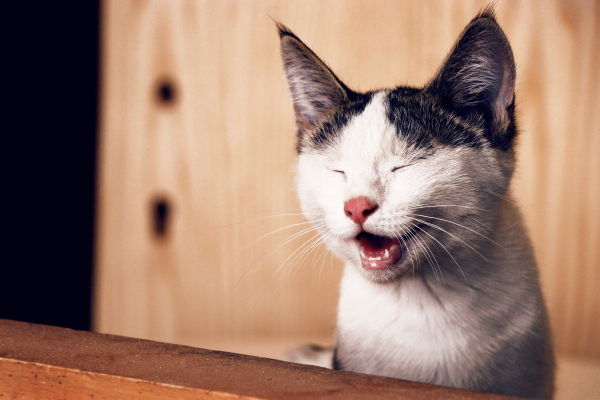
Kočku může rýma potrápit o dost hůř než nás. U nich totiž jde o poměrně vážné a hlavně velice nakažlivé virové onemocnění. Kočičí rýmou se totiž označuje souhrn onemocnění, mezi jejichž příznaky patří právě rýma.

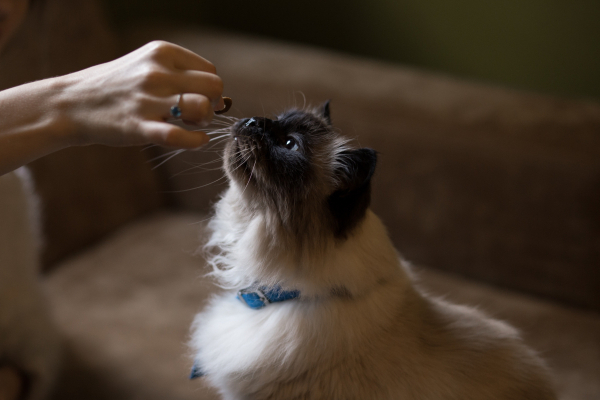
Jaké elementy hrají ve výživě kočky důležitou roli, proč je chlupáči potřebují a v jakém poměru by je měli přijímat? To je alchymie, která se skrývá za přípravou kvalitního krmiva pro kočky.

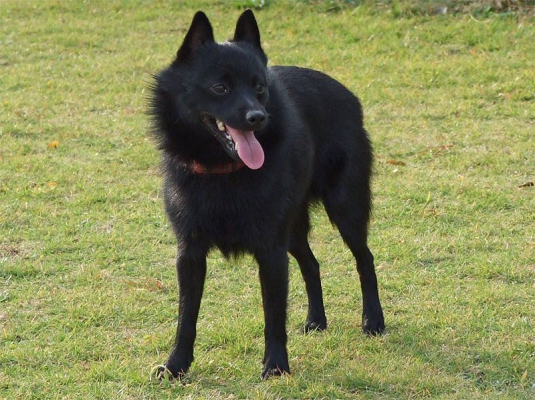
Toto plemeno bychom mohli charakterizovat jako velkou osobnost v malém těle. Ačkoli jméno těchto malých, původem belgických, psíků znamená malý ovčák, ovce nikdy nepásli.

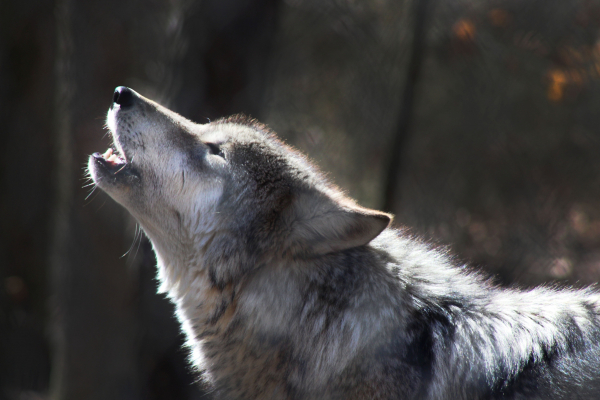
Vlci bývají ještě dnes hojně diskutovaným tématem a část obyvatel se stále na jejich přítomnost v našich lesích dívá negativně. Důvodem je fakt, že si na jejich výskyt během několika desítek let, kdy tu nežili, odvykli. Přitom mají tyto šelmy...

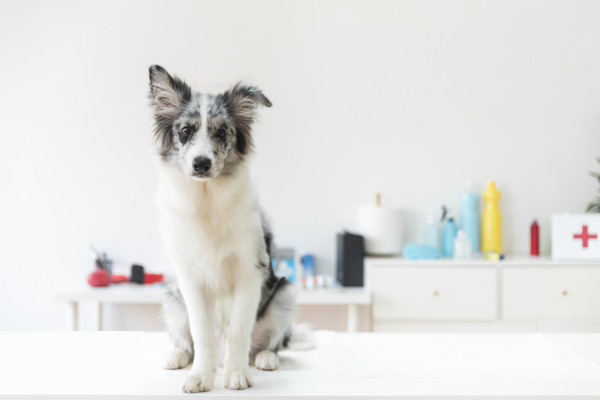
Suchá kůže dokáže potrápit i naše zvířecí parťáky. Než ji začneme léčit, je potřeba přijít na příčinu, což nemusí být úplně jednoduchý úkol. Jak se lupy u psů projevují, jaké mají příčiny a jak se jich šetrně zbavit?

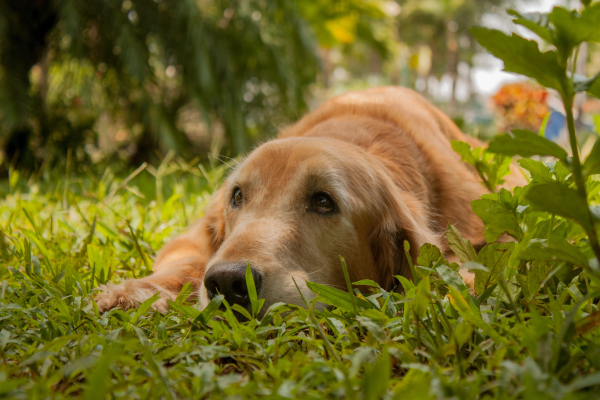
Nepřítel je možná slabé slovo, vhodnější by zřejmě bylo říct rovnou zabiják. Tento vzácný druh klíštěte se pomalu šíří Českem a psy dokáže nakazit nemocí připomínající malárii.

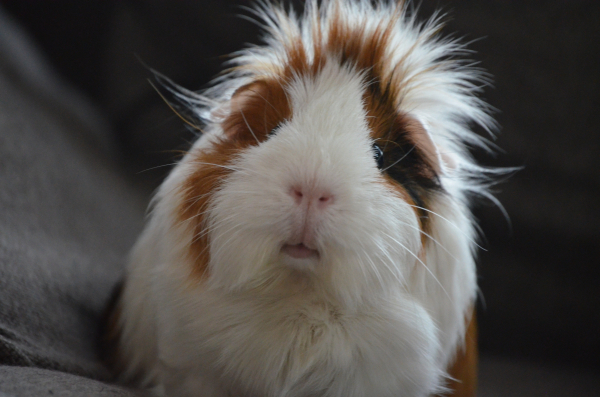
Cestování samo o sobě pro některé znamená radost, ale i trochu stresu. Abych na nic nezapomněla a taky aby vše probíhalo podle plánu. Co když se ale na cestu vydám se svým malým kamarádem morčetem? Společně se podíváme, na co bychom neměli při...

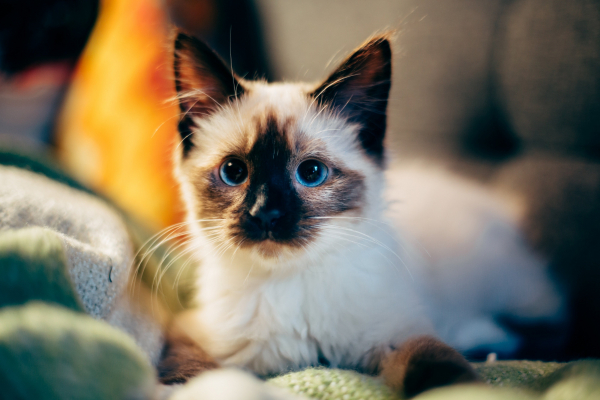
O kočkách je známo, že se velmi rády vyhřívají na sluníčku. To ovšem neznamená, že jim nikdy není vedro a netýká se jich riziko přehřátí.

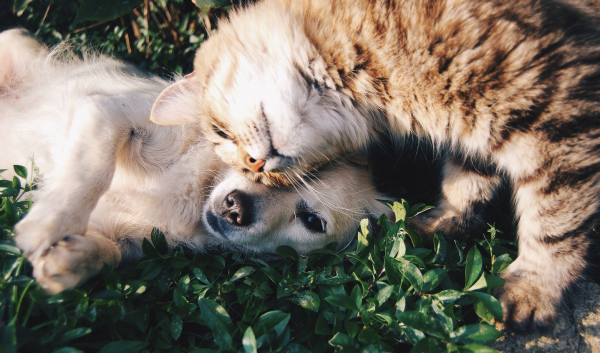
To, že se pro kočky a psy prodávají různé konzervy a granule, není jen marketingovým tahem. Obě šelmy mají své specifické výživové potřeby, které se v lecčems rozcházejí, a pokud jim krmivo prohodíte, velmi rychle začnou strádat.

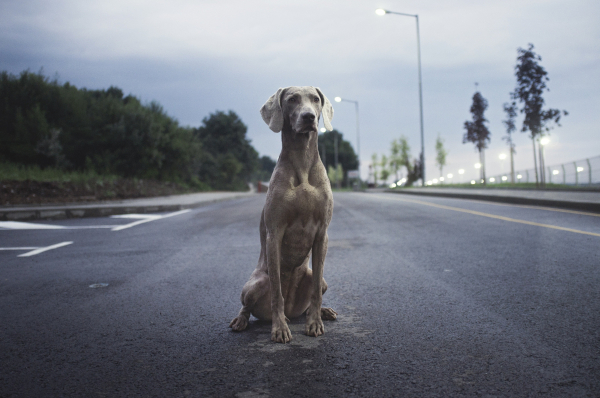
V létě psům nehrozí jen přehřátí. Vysoké teploty mohou i popálit jejich tlapky, pokud je necháme chodit po rozpálených površích.

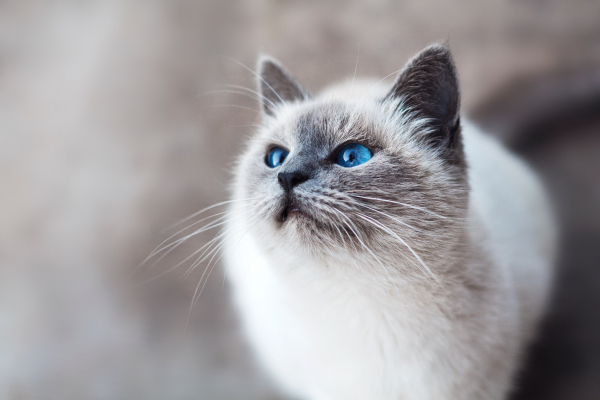
Vedle FIP a FIV je FeLV další smrtelné virové onemocnění koček. Často je nazýváno kočičí leukémií, protože právě ta je jedním z častých příznaků nemoci. Jak se jí vaše kočka může nakazit, jak to poznáte a jak ji léčit?

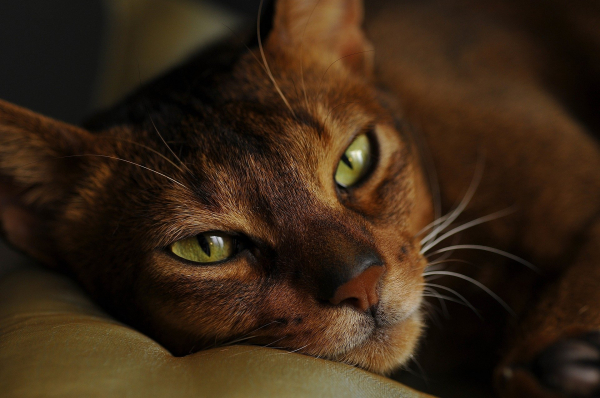
Abyssinian, neboli Habešská kočka, je krátkosrstá elegantní dáma se silnou osobností a historií sahající až do starého Egypta. Chce být právoplatným členem rodiny a jejího hustého a hedvábného kožíšku se nebudete moci nabažit.