
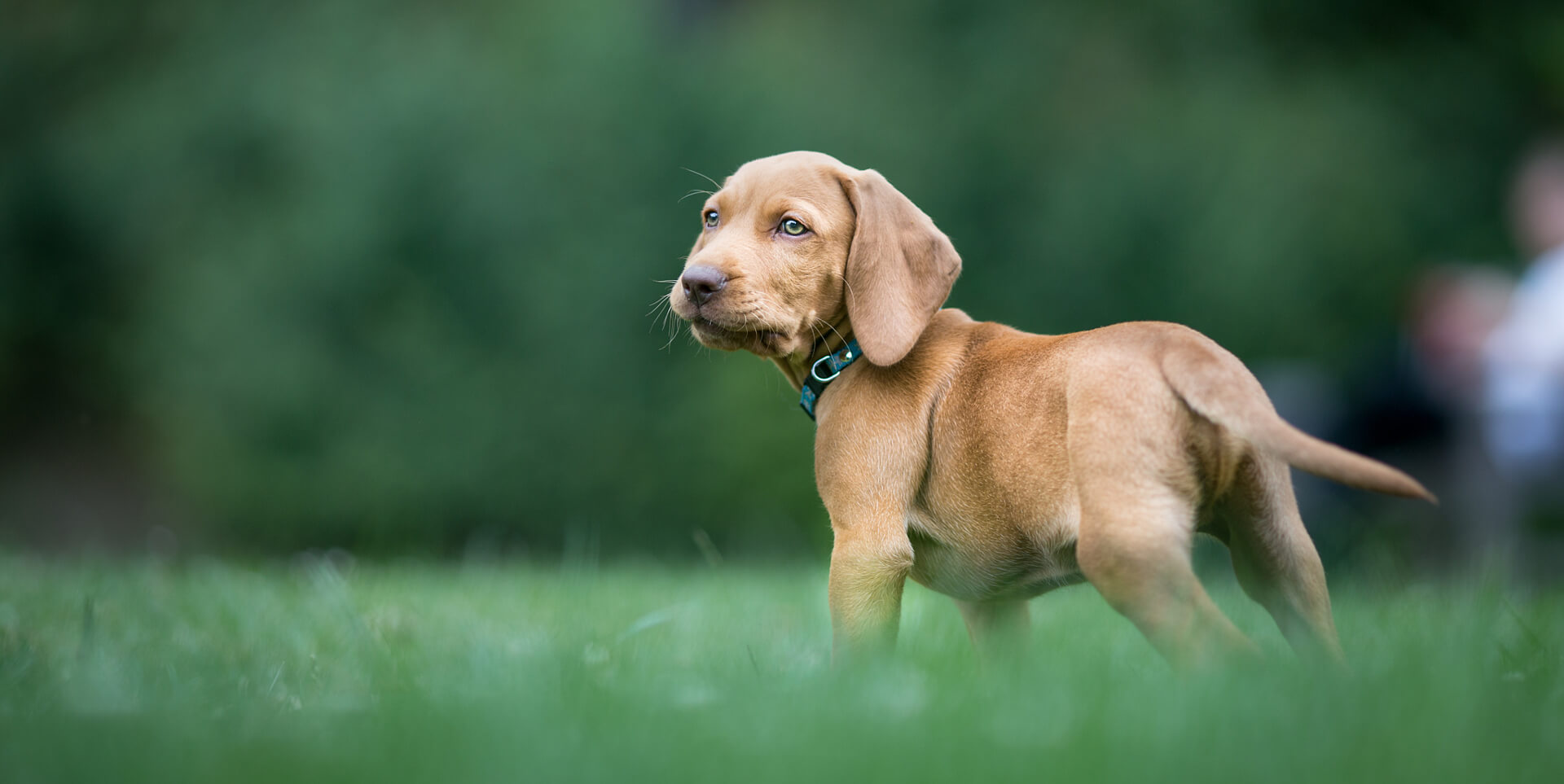
Jak vybrat ty správné pamlsky pro psa
Na trhu je k dostání tolik různých pamlsků, že čert aby se v tom vyznal. Jak pro vašeho psího parťáka vybrat ten nejlepší?
If you've noticed that your fluffy friend excessively licks and nibbles at his paws, you should not leave it like that. It might have several causes. Whether it's a psychological problem, allergy, yeast or other problem, the situation must be addressed.
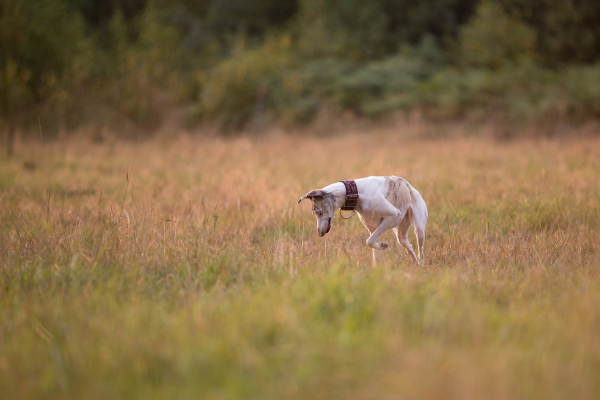
Recently, I’ve noticed that my dog often licks its paws and sometimes, he nibbles at them for so long that his fingers are all red and irritated. So, I started to search for the cause and was surprised how many different reasons the nibbling of paws can have.
If your dog licks or nibbles on his paws sporadically and not regularly, it's fine. Since this activity increase his production of endorphins, so in other words, this gives him a feeling of pleasure. However, this activity might turn into a bad habit or even obsessive compulsive behaviour. It becomes a vicious circle for the fluffy guy. First, he will irritate the paws by excessive licking. They then start to itch, which makes him lick and bite them even more and this causes even more irritation. Wet spaces between the fingers then become an ideal environment for yeast or other bacterial disease or fungi.
When determining the cause, you should at first thoroughly examine the dog’s paws and exclude stuck thorns, thistles and other foreign objects as well as cut or similar wounds. If you don't find anything, rather visit the vet. They will test a skin sample or treat an infection or prescribes antibiotics. I can also recommend you a product with an anti-itching effect. It definitely won’t hurt either, if you bathe the dog in a disinfection shampoo.
One of the causes of itchiness of the paws may therefore be yeast, which thrives in the damp spaces between the fingers. So, after every walk in the rain or wet, it’s better to wipe the dog’s paws. If your fluffy friend has dense tufts of hair in between the fingers, rather dry them even in the summer after bathing, so that his paws won’t get damp. You can identify yeast according to a reddish and festering space between the fingers or red-and-black secretion that may colour also the hair of the paws.
The dog may have itchy paws also due to an allergy. You can therefore try to change his diet, to replace it with a hypoallergenic grain-free variant. Fortunately, this worked for us and after we started using hypoallergenic granules, the biting of the paws stopped. However, it doesn’t always have to be a food allergy. Then it’s necessary to perform tests for allergens or try to exclude possible causes like detergents, dust, pollens, mites and the like.
A hormonal disease may be responsible for itchy paws, such as reduced function of the thyroid gland, autoimmune skin disease, inflammation of the nail bed, parasitic diseases or fungi. However, the true cause can be identified only by a veterinarian.
Biting and licking of the paws, however, may not be caused only by itchiness. The reason for it may be also psychological discomfort of the dog such as stress, boredom or separation anxiety.
Whether it's any cause, it always applies that you should prevent the dog from licking and nibbling on its paws as soon as you find out about it. When you caught him doing it, try to distract him with a game, for instance. Shouting at him won’t probably help much. On the contrary, putting on a protective shield or shoes can be effective. I personally do not recommend shoes too much, because the paws can’t adequately breathe in them. For me personally, the best thing to do when finding about irritation is to visit a veterinarian and at least to consult the condition with them. This way, you can considerably shorten the search for the cause and relieve the dog from the issue earlier.
Have you also had trouble with paws biting of your fluffy friend? And did you manage to successfully resolve it?

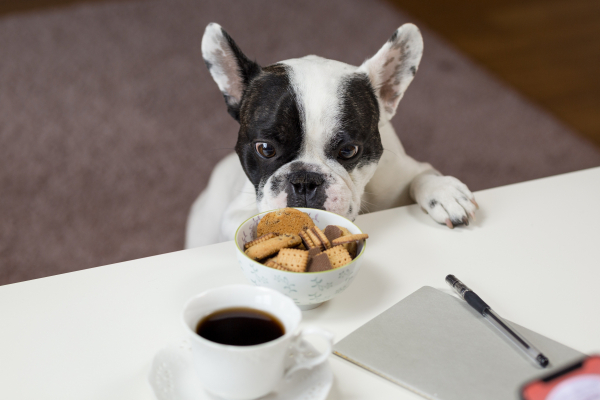
Na trhu je k dostání tolik různých pamlsků, že čert aby se v tom vyznal. Jak pro vašeho psího parťáka vybrat ten nejlepší?

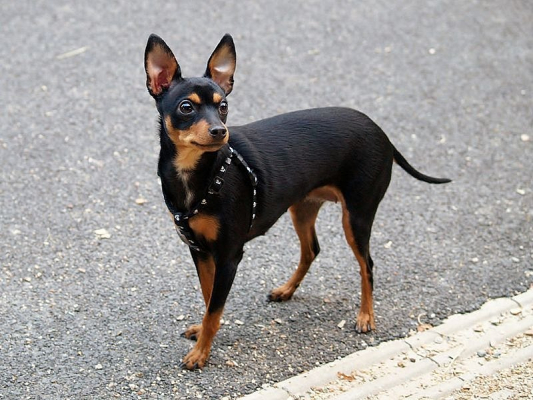
Pražský krysařík, nebo taky libeňský srneček, je nejmenším a nejstarším českým plemenem. V jeho malém tělíčku dřímá velký temperament. Je to velmi čilý a oddaný společník.

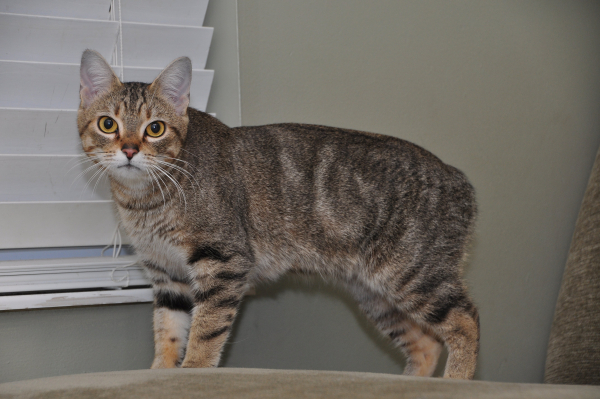
Manx, tedy manská kočka, je starobylé, přirozeně vzniklé plemeno žijící na ostrově Man jako lovec myší i oblíbený domácí mazlíček. K nevýraznému zevnějšku obyčejné domácí kočky působí jejich extrémně krátký, nebo dokonce téměř žádný ocas jako pěst na...

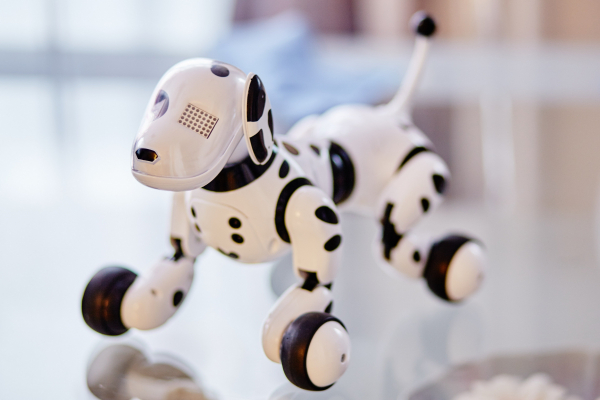
Trend chovu domácích mazlíčků je záležitostí posledních 150 let. Ale jak to bude vypadat v těch následujících sto padesáti letech? S vývojem naší společnosti a jejích hodnot se do našeho hledáčku dostávají cirkusy, zoologické zahrady, přibývá lidí,...

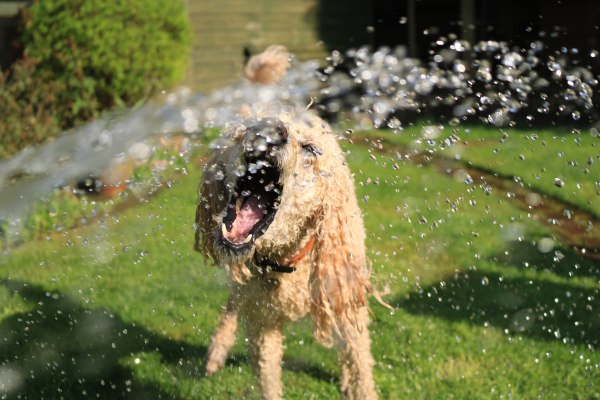
Teploty překračují třicítku, ale málokomu se chce celé dny před horkem schovávat někde uvnitř. A ono často ani uvnitř nebývá o moc líp. Více než my ale vedry trpí naši čtyřnozí parťáci. Jak jim ulevit?

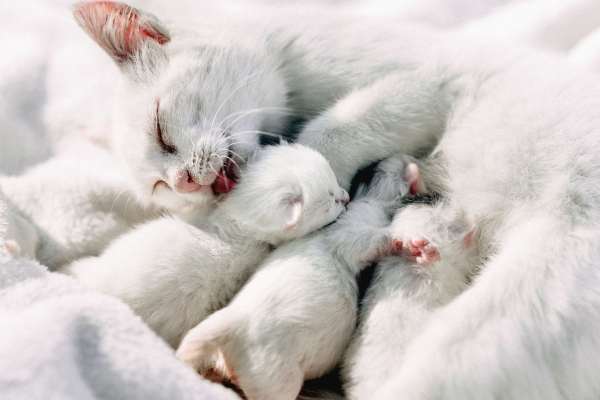
Máte doma březí kočičku, pomalu se tato její etapa chýlí ke konci a vy začínáte panikařit ohledně jejího porodu? Pojďte si ho se mnou projít od začátku až do konce, podívat se v jakých situacích je třeba zakročit, kdy je nutná pomoc veterináře a kdy...

V červenci je ten pravý čas k “zadělání” na podzimní koťata. Je fajn si tedy připomenout, co všechno kočičí březost přináší, kdy a jak jí předejít a proč.

Teploty venku napovídají, že sezóna vodáků klepe na dveře. Plno lidí vyráží se svojí rodinou a dětmi za vodáckým dobrodružstvím. Výjimkou nejsou ani vodáci, kteří s sebou berou své čtyřnohé miláčky. Co udělat pro to, aby váš výlet s pejskem proběhl bez...

V létě se život většiny z nás přesouvá na zahradu, ať už u domu, nebo chalupy. Tuto možnost chceme samozřejmě dopřát i našim přátelům hlodavcům a pouhé vynesení klece ven není ono. Jak tedy na pohodlný a bezpečný výběh?

Všichni jsme se na léto jistě těšili. Celé dny můžeme trávit venku, vyrážet na dlouhé hodiny do přírody nebo se koupat v jezeře. Jak si ale léto užít na pIné pecky a neřešit návštěvy u veterináře?

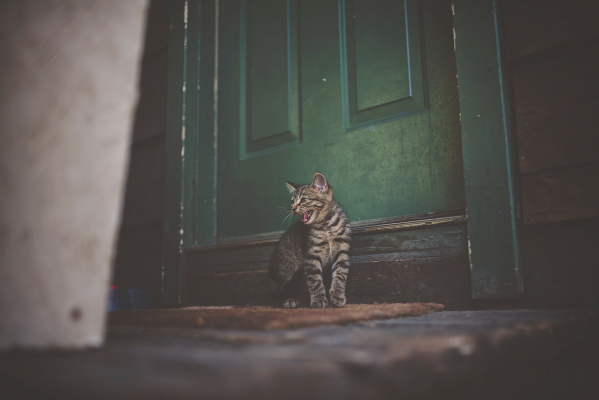
Chodí váš kočičí chlupáč ven? Nebaví vás neustálé mňoukání a škrábání na dveře nebo věčně otevřená okna? Pak je načase pořídit mu dvířka pro kočky.

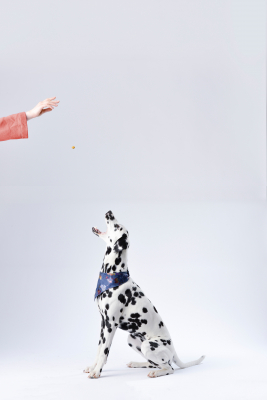
Nároky jednotlivých psů na výživu se liší. Podle životního stádia, tělesné kondice, životního stylu a velikosti. Aspektů je spousta a při výběru krmiva je potřeba je všechny zohlednit.