

Kočičí rýma
Kočku může rýma potrápit o dost hůř než nás. U nich totiž jde o poměrně vážné a hlavně velice nakažlivé virové onemocnění. Kočičí rýmou se totiž označuje souhrn onemocnění, mezi jejichž příznaky patří právě rýma.
Kittens, as well as a number of other animal offspring, are born blind. Their eyes open around the tenth day of their life and only after another week, they are fully functional. Even though the sight in a cat belongs among the best-developed senses, cats are slightly short-sighted for their whole lives.
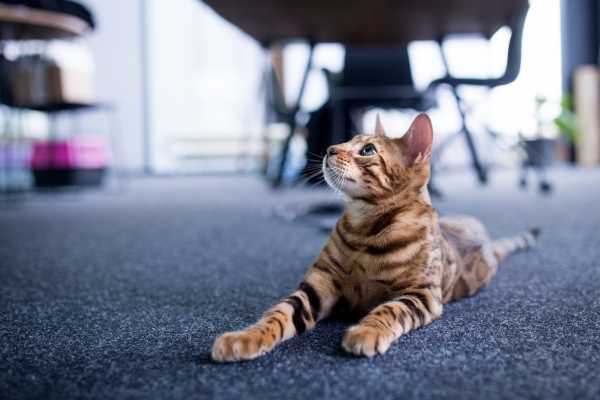
Kittens, as well as a number of other animal offspring, are born blind. Their eyes open around the tenth day of their life and only after another week, they are fully functional. Even though the sight in a cat belongs among the best-developed senses, cats are slightly short-sighted for their whole lives.
Cat’s sight has the greatest sharpness when observing at a distance of two to six meters. But what happens right in front of its nose, the cat recognises rather through smell or using its whiskers, same as in the first days after the birth, when it’s directly dependent on these senses. What causes that?
Cat has limited eye mobility to the sides comparing to humans and also a smaller field of view. While we have about 220 degrees, cats have 205 degrees. However, it can better focus even on the edges of the field of view, because its eye lens is more bent. It also compensates it by a greater degree of spatial vision, which is for it, as for a hunter of small rodents in uneasy terrain, a great advantage.
Cats can also see really well in the dark. How come? Their cornea is more convex, so it captures more light beams. The pupil dilates depending on the amount of light. The less there is, the larger the pupil gets. It can cover almost the entire iris and thereby it lets maximum amount of light in the eye. This again corresponds with the life rhythm of the cat. Since it often hunts at twilight or in the dark. Under direct light, we can hardly see the pupil. It pulls back into a thin strip to protect the sensitive retina.
This brings us to another difference. While people have their pupil round under every light, the cat’s pupil pulls back into an elliptical shape, a thin strip. This happens, because it is closed by two muscles from the sides.
Cat’s eye is unique since a cat, as the only animal, has one extra vascular layer behind the retina - the so-called tapetum lucidum. It is composed of layers of reflective cells, a kind of “mirror”. The beams that once pass through the retina, reflect from it on the second reflective layer and they stimulate the receptors again. You could say, that every beam of light is used twice. That’s why cats need only a minimum amount of light for seeing. This reflective layer is also responsible for the effect of shining cat eyes.
When it comes to the colour seeing of cats, we still don’t understand it completely. However, it is deemed, that cats don’t put too much weight on colours. For example, rather than by colour, the kittens choose toys depending on whether they’re moving, making a sound or because of higher temperature. So far, we’ve only found that cat eyes contain cones that react to blue, green and yellow colour, while cones for red are missing completely.
From humans, the cat differs by the fact, that its eye has also a third eyelid, a winking membrane. It is only a thin membrane that constantly moistens and cleans the eye. That’s why cats almost don’t have to blink. This applies to cats around the whole world. What distinguishes the fluffy guys between them is the shape of the eye and their colour. Particularly the eye colour, next to slight deviations from head anatomy, is one of the important characteristics of the individual breeds.
Whether you’re rearing a cat anywhere, the cat’s eyes are an incredible organ without any doubt, which surpasses human eyesight in many respects :).

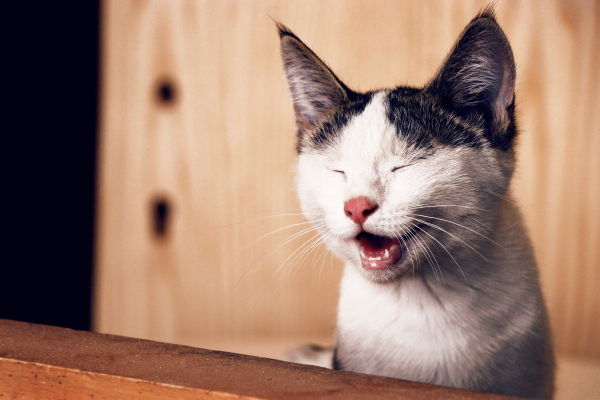
Kočku může rýma potrápit o dost hůř než nás. U nich totiž jde o poměrně vážné a hlavně velice nakažlivé virové onemocnění. Kočičí rýmou se totiž označuje souhrn onemocnění, mezi jejichž příznaky patří právě rýma.

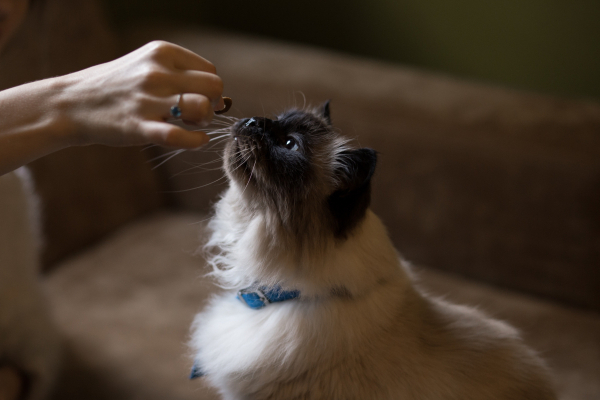
Jaké elementy hrají ve výživě kočky důležitou roli, proč je chlupáči potřebují a v jakém poměru by je měli přijímat? To je alchymie, která se skrývá za přípravou kvalitního krmiva pro kočky.

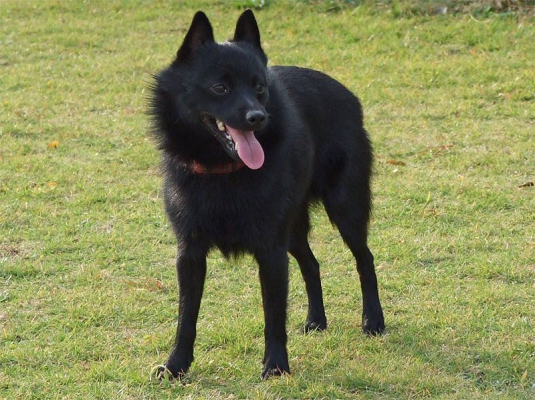
Toto plemeno bychom mohli charakterizovat jako velkou osobnost v malém těle. Ačkoli jméno těchto malých, původem belgických, psíků znamená malý ovčák, ovce nikdy nepásli.


Vlci bývají ještě dnes hojně diskutovaným tématem a část obyvatel se stále na jejich přítomnost v našich lesích dívá negativně. Důvodem je fakt, že si na jejich výskyt během několika desítek let, kdy tu nežili, odvykli. Přitom mají tyto šelmy...


Suchá kůže dokáže potrápit i naše zvířecí parťáky. Než ji začneme léčit, je potřeba přijít na příčinu, což nemusí být úplně jednoduchý úkol. Jak se lupy u psů projevují, jaké mají příčiny a jak se jich šetrně zbavit?

Nepřítel je možná slabé slovo, vhodnější by zřejmě bylo říct rovnou zabiják. Tento vzácný druh klíštěte se pomalu šíří Českem a psy dokáže nakazit nemocí připomínající malárii.

Cestování samo o sobě pro některé znamená radost, ale i trochu stresu. Abych na nic nezapomněla a taky aby vše probíhalo podle plánu. Co když se ale na cestu vydám se svým malým kamarádem morčetem? Společně se podíváme, na co bychom neměli při...

O kočkách je známo, že se velmi rády vyhřívají na sluníčku. To ovšem neznamená, že jim nikdy není vedro a netýká se jich riziko přehřátí.

To, že se pro kočky a psy prodávají různé konzervy a granule, není jen marketingovým tahem. Obě šelmy mají své specifické výživové potřeby, které se v lecčems rozcházejí, a pokud jim krmivo prohodíte, velmi rychle začnou strádat.


V létě psům nehrozí jen přehřátí. Vysoké teploty mohou i popálit jejich tlapky, pokud je necháme chodit po rozpálených površích.

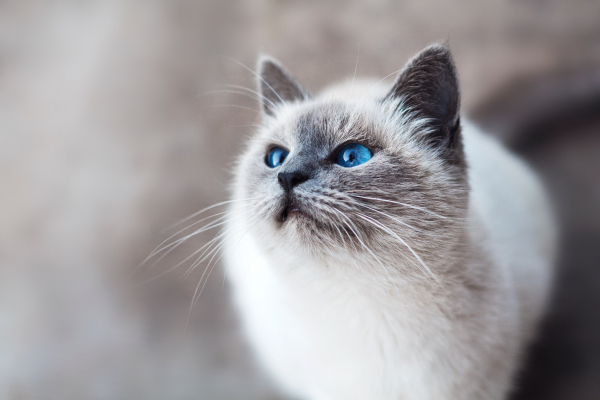
Vedle FIP a FIV je FeLV další smrtelné virové onemocnění koček. Často je nazýváno kočičí leukémií, protože právě ta je jedním z častých příznaků nemoci. Jak se jí vaše kočka může nakazit, jak to poznáte a jak ji léčit?

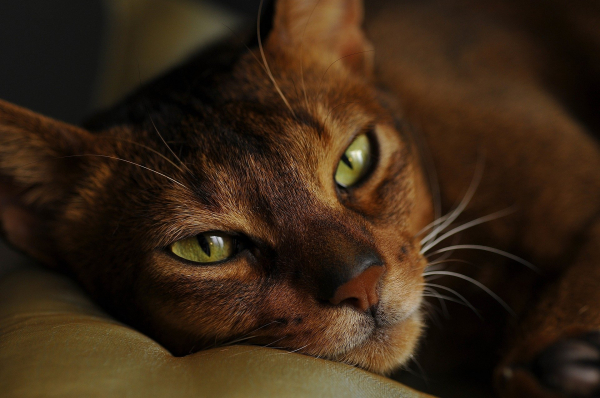
Abyssinian, neboli Habešská kočka, je krátkosrstá elegantní dáma se silnou osobností a historií sahající až do starého Egypta. Chce být právoplatným členem rodiny a jejího hustého a hedvábného kožíšku se nebudete moci nabažit.