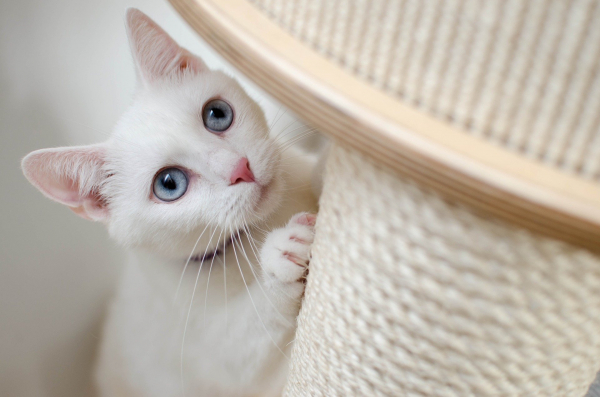
Did you know that the domestic cat which is now kept as a pet all over the world, is probably a domesticated form of the wild cat, specifically of its subspecies the African wildcat, European wildcat and Asiatic wildcat?
Did you know that the domestic cat which is now kept as a pet all over the world, is probably a domesticated form of the wild cat, specifically of its subspecies the African wildcat, European wildcat and Asiatic wildcat?
Cat has accompanied humans already for thousands of years. The oldest existing records of existence of domesticated cats come from the time of 8,000 years ago from Turkey. However, its domestication started already with first stable human settlements, approximately 12,000 years ago. Humans have spread the domestic cat around the whole world where it’s still kept in many households.
Egypt
The greatest glory of the cat occurred in Egypt where it became a significant part of the human life around the year of 3,000 BC. The ancient Egyptians worshipped the cat as a deity. According to them, it had the power to protect humans from evil. That’s why killing of a cat was punished by death and body of a dead cat was embalmed. The most sacred was the black cat who protected the Egyptian temples, it even had its own goddess Bastet. Although export of cats from Egypt was prohibited, thanks to traders, these protectors of harvest still spread into the whole Mediterranean.
China
In China, the breeding of cats started around 1,000 BC. Cat wasn’t missing in any temple and it was under the protection of the Buddhist religion, it was allegedly supposed to protect from poverty. However, a superstition also comes from China, that black cat bears bad luck.
India
In India, the domestication of the cat occurred at the break of the era. Cat was worshipped here in the form of the goddess of fertility Shashthi. Nevertheless, the Indians believed, that fallen-out cat hair can ritually foul a man.
Japan
Cat got to Japan only at the beginning of the Middle Ages from China. Its task here was to guard the cocoons of the silkworm and to protect old manuscripts in temples from rats. The Japanese also believed, that a cat who will live up to a hundred years will turn into a witch.
Greece
First evidence in Europe comes precisely from Greece, from the 5th century BC, when the cat started to appear in various depictions on ceramics, specifically on vases. Here, the cat was associated with the goddesses Aphrodite and Artemis.
Rome
Cat got to Rome at the same time as to India, at the break of the era, and it became a decoration of palaces. But soon, it spread also to the lower classes. Although the Romans overtook the cult of the goddess Artemis from the Greeks (they called it Diana themselves), they had a rather pragmatic approach towards cats as the hunters of rodents.
England and Scotland
The cat was brought to England only by Roman legionnaires on their military campaigns. As in the rest of Europe, the cat was protected by law in England and its killing was strictly penalised.
Although the cat was respected almost everywhere, the view of the people changed soon afterwards and their persecution began. You’ll read more in the next article.
Převrácení žaludku, noční můra každého pejskaře. Torze žaludku se podle statistik odehrává ve třech z pěti případů v noci. Jedná se o velmi závažné onemocnění se smrtností 30–40 procent. Pro prevenci torze je nejdůležitější pochopit, jak k ní může...
Události posledních týdnů znovu potvrdily, jak důležitou hrají kynologové v záchranných týmech roli. Čtyřnozí pomocníci záchranářů pomáhají hledat nejen v sutinách po přírodních pohromách, ale například i pátrat po pohřešovaných nebo zraněných v...
Jak poskytnout první pomoc svému domácímu mazlíčkovi? Správnou odpověď velmi často zjišťujeme, až když se něco přihodí. Naštěstí přibývá nabídek kurzů určených pro laiky. Majitelé čtyřnohých chlupáčů se na těchto specializovaných seminářích i...
Letošní léto, stejně jako to předchozí, přálo kvůli pandemii COVID-19 cestování po tuzemsku. A zatímco na dobu dovolené v zahraničí si majitelé domluví hlídání, po Česku se naučili si brát pejsky s sebou. A právě na tuto skupinu pejskařů myslí výrobci...
Klece nebo transportní boxy poskytují psím chlupáčům bezpečí a pohodlí nejen na cestách v autě. Čím dál častěji je můžete vidět i v domácnostech, kde žije pejsek. V jakých případech je psovi klec do bytu vhodné pořídit? Co do ní nepatří a co v ní...
Poslední odhady uvádějí, že každý třetí pejsek na světě nemá domov. Některé odhady jdou ještě dál a mluví o celé polovině všech psů. Je to poměrně vysoké číslo, poměry se však liší podle kontinentu. Nejen proto se každý třetí víkend v srpnu slaví...
Pseudogravidita, falešná gravidita, falešná březost či faleška. Vše označuje jedno a to samé – stav, kdy se tělo fenky připravuje na porod, ačkoli březí není. Falešná březost se objevuje po hárání a může trvat až několik měsíců. Co ji způsobuje, jak...
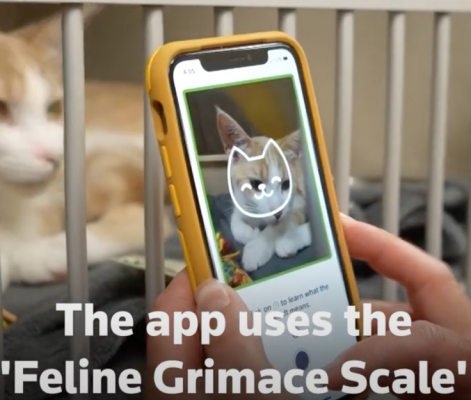
Svět technologií nezapomíná ani na oblast domácích mazlíčků a péče o ně. Teď vývojáři aplikací přišli s novinkou, která vám pomůže rozpoznat, v jakém rozpoložení se zrovna nachází váš kočičí miláček.
Léto je obdobím radostí. Teplé počasí vybízí k výletům a vodním radovánkám. Ty však pro naše psy nemusí být tak skvělé, jak se na první pohled může zdát. Mokrá srst totiž kolikrát může nadělat víc škody než užitku. Jak se o ni starat a jak předejít...
Spousta z nás podléhá potřebě splnit si sen a pořídit si originálního mazlíčka, a tím je miniaturní prase neboli miniprase. Tento trend je v ČR přibližně deset let. Nenechte se ale zmást těmi roztomilými čumáčky, péče o prase je náročná a musí se...
Kočky škrábou, to je známá věc. Zamysleli jste se ale někdy nad tím, proč tomu tak je? Případně pokud doma máte kočičího kamaráda, možná vás napadlo, že by bylo dobré jej škrábání odnaučit. Zejména pokud vám někdy něco svými drápky zničil. My jsme se...
Někdo jej miluje, někdo jej těžce snáší. Řeč je o létu a teplém počasí. To se může stát velmi nepříjemným i pro naše domácí čtyřnohé chlupáče. Zatímco kočky parná horka většinou snáší bez větších problémů, psi to mají naopak. Jaký program tedy...