Even though the dogs went through long years of domestication, they still retain fundamental instincts as we do. They might not be as strong as in wild dogs, but they still play a very significant role in the life of a dog and in their behaviour. So if we have a dog companion at home, we should try to understand them, after all, it might explain some of the misunderstandings between the two of us.
Even though the dogs went through long years of domestication, they still retain fundamental instincts as we do. They might not be as strong as in wild dogs, but they still play a very significant role in the life of a dog and in their behaviour. So if we have a dog companion at home, we should try to understand them, after all, it might explain some of the misunderstandings between the two of us.
Instinctive intelligence is individual in each dog, every breed has certain instincts that are stronger than others. Some breed’s instincts command them to protect master’s property, others to tend sheep, search game or track. It had been exactly natural instincts that humans used for breeding when they would choose individuals with a strong instinct for breeding that was desirable for what was necessary. However, we can divide these fundamental dog instincts into the instinct of the pack, the hunting instinct and the protective instinct.
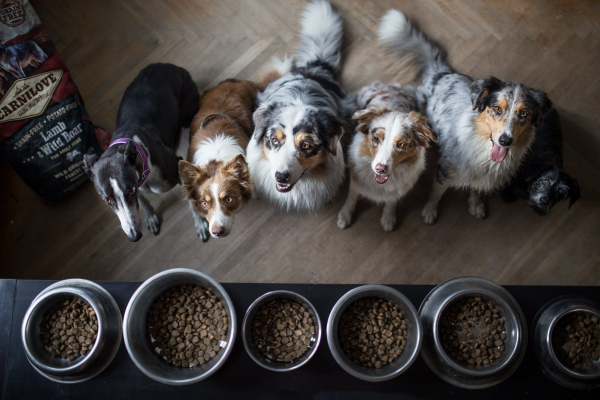
The instinct of the pack leads the dog to a sense of belonging with other dogs or with people. It is possibly the strongest and best well-preserved instinct in dogs. Thanks to this instinct, the dog has a strongly developed social sense. The hierarchy of the pack is fixed, every individual has a clearly determined place and task in every daily activity. The alpha male and the alpha female are the first ones to eat their fill, they determine the place of the hunt and maintain order within the pack. The need to be praised also stems from the pack instinct, since if often means a better menu or advance within the hierarchy. Dog needs an atmosphere of belonging, even if it’s us who are substituting for the pack, we should make it clear what is its place in the family. Dogs with a strong pack instinct don’t take well to being alone, they often bark or howl when they’re separated.
The protective instinct is a self-preservation instinct. Same as with us, people, it has two forms: fight or flight. Most of today’s dogs, regardless of the breed, has this instinct strongly preserved. The manifestation is flight distance, that is the distance from the danger that the dog is feeling. It is trying to keep this distance at all costs. The more scared the dog is, the greater the flight distance will be. If it is driven into a corner in such situation, an active or passive protective reaction will appear. In an active protective reaction, the dog tries to avoid danger in every possible way. It flinches, dodges, tries to run away. A passive protective reaction is a manifestation of a weak and immature individual. In that case, the dog hides behind its master, looks away, pulls down its tail under its abdomen, or presses against the ground or freezes in place. It may even wet itself. In very anxious and imbalanced dogs, pseudo-aggressive behaviour occurs, when the dog attacks due to fear.
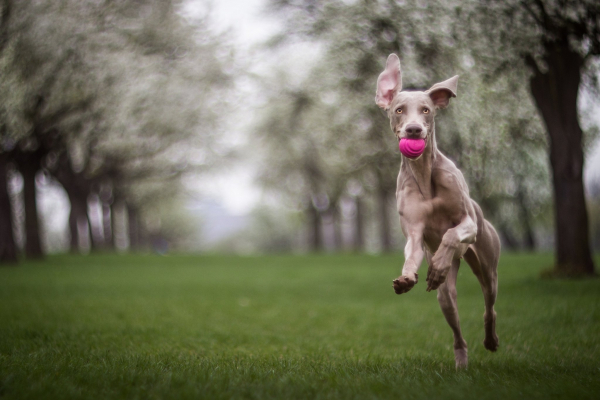
The hunting instinct has probably been hit by domestication the most. Dog is limited in its hunting behaviour from a puppy - it must not hunt game or take notice of other domestic animals. Besides, the genetic base of this behaviour itself is hit by long-term breeding and the changes are then further fixed genetically. In some breeds, the hunting instinct is strongly suppressed, in others, where it is desirable, it is modified according to human needs. For example, exhibitions in hounds or baiting in greyhounds. You can notice a hint of the hunting instinct during retrieval or when they’re shaking a toy (this imitates shaking the prey to kill it). It is also used for defence training.
If we understand dog’s constitution, we will be able to work with it in the right way, to secure it a nice and full-fledged life and even our life together with it will be calm, pleasant and full of a sense of belonging. We will have the feeling, that we understand each other and our bond will be firm and full of love.
Blíží se doba koťátek. Venku ale můžou koťátka o svou mámu z mnoha příčin přijít. Navíc lidé začnou nechtěné přírůstky do rodiny odkládat. Může se vám tedy lehce stát, že narazíte na malé kočičí novorozence. Pokud se rozhodnete sami se o ně postarat,...
Možná už jste na ulici potkali pejska s uvázanou žlutou stužkou na obojku nebo na vodítku. Věděli jste, že nejde jen o módní doplněk, ale o zprávu pro kolemjdoucí?
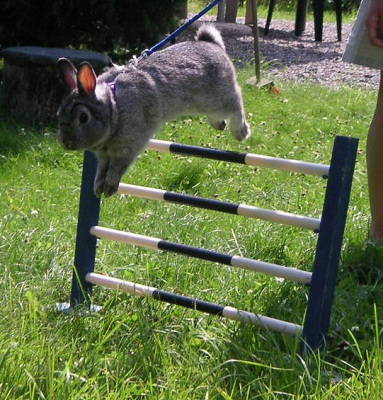
Králičí hop je poměrně mladá disciplína, která si rychle získává své příznivce. Koneckonců králíci jsou pro skákání přímo stvoření, tak proč toho nevyužít k zábavě jak jich samotných, tak i jejich páníčků.
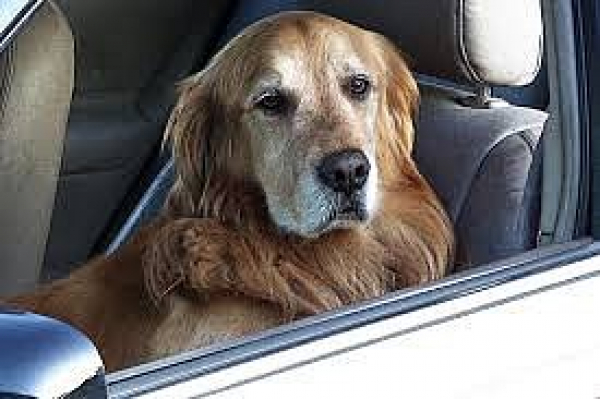
Díky této nezodpovědnosti policisté často vyjíždějí psy z rozpálených aut zachraňovat ale ne každý pejsek má to štěstí, že je z výhně vysvobodzen včas. Co psovi v zavřeném autě hrozí a jak postupovat, pokud na takovou situaci narazíte?
Markéta je moje dlouholetá kamarádka. Seznámili jsme se přes útulek, ze kterého jsem si vzala svého prvního psa a ve kterém jsem pak začala vypomáhat. Pod tímhle sdružením Markéta v Praze provozuje depozitum pro kočky, kam ráda zavítám, když je chvíle...
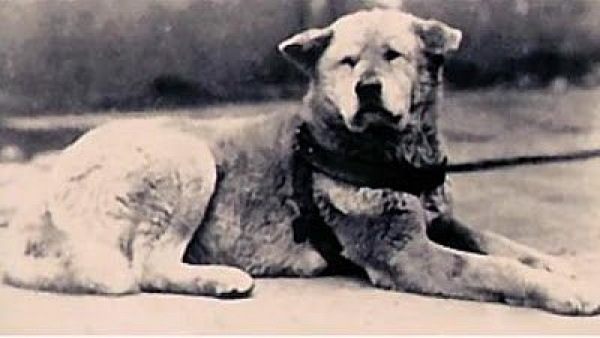
V tomto cyklu se seznámíme se známými psími osobnostmi. Psi v našem životě hrají přeci důležitou roli, tak se pojďme podívat, co vše už za dobu našeho soužití s nimi dokázali. Hačika bychom měli najít ve slovníku vedle fráze “věrný jako pes”. Díky tomu...
Hladovku prý instinktivně drží i vlci a divocí psi. To vedlo spoustu lidí k domněnce, že náš pes na gauči by ji měl jednou za čas držet také. Divoké zvíře přeci dobře ví, co dělá, příroda je moudrá, řeknete si. Je to ale dobře? Prospěje to zdraví...
Přemýšleli jste někdy nad tím, kolik pohybu je ještě pro psa zdravé a kdy už mu škodí? Nebo že ne každý pohyb mu je prospěšný? Většina pejskařů nad tímto vůbec nepřemýšlí. Řekne si čím víc pohybu, tím líp. To ale nemusí být vždy pravda.
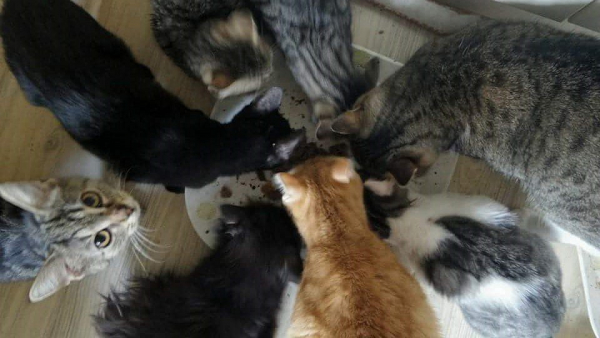
Jak už jsem se zmiňovala v předešlých článcích, příležitostně vypomáhám kamarádce Markétě, která provozuje kočičí depozitum. Měla jsem i možnost se zúčastnit několika odchytových akcí bezprizorních koček a dnes se s vámi o tuto zkušenost podělím.
Věděli jste, že i vašeho psího mazlíčka může trápit deprese? Stejně jako u lidí bychom ani u psů neměli tento duševní stav podceňovat. Jak ho poznat a co dělat?
V tomto cyklu se společně podíváme, jak se daří kočkám a psům ve světě. Kde je lidé hýčkají a předcházejí, kde naopak mazlíci strádají a jejich situace je kritická. Dnes vám představím kočky z Řecka, kde jsou neodmyslitelnou součástí každodenního života.