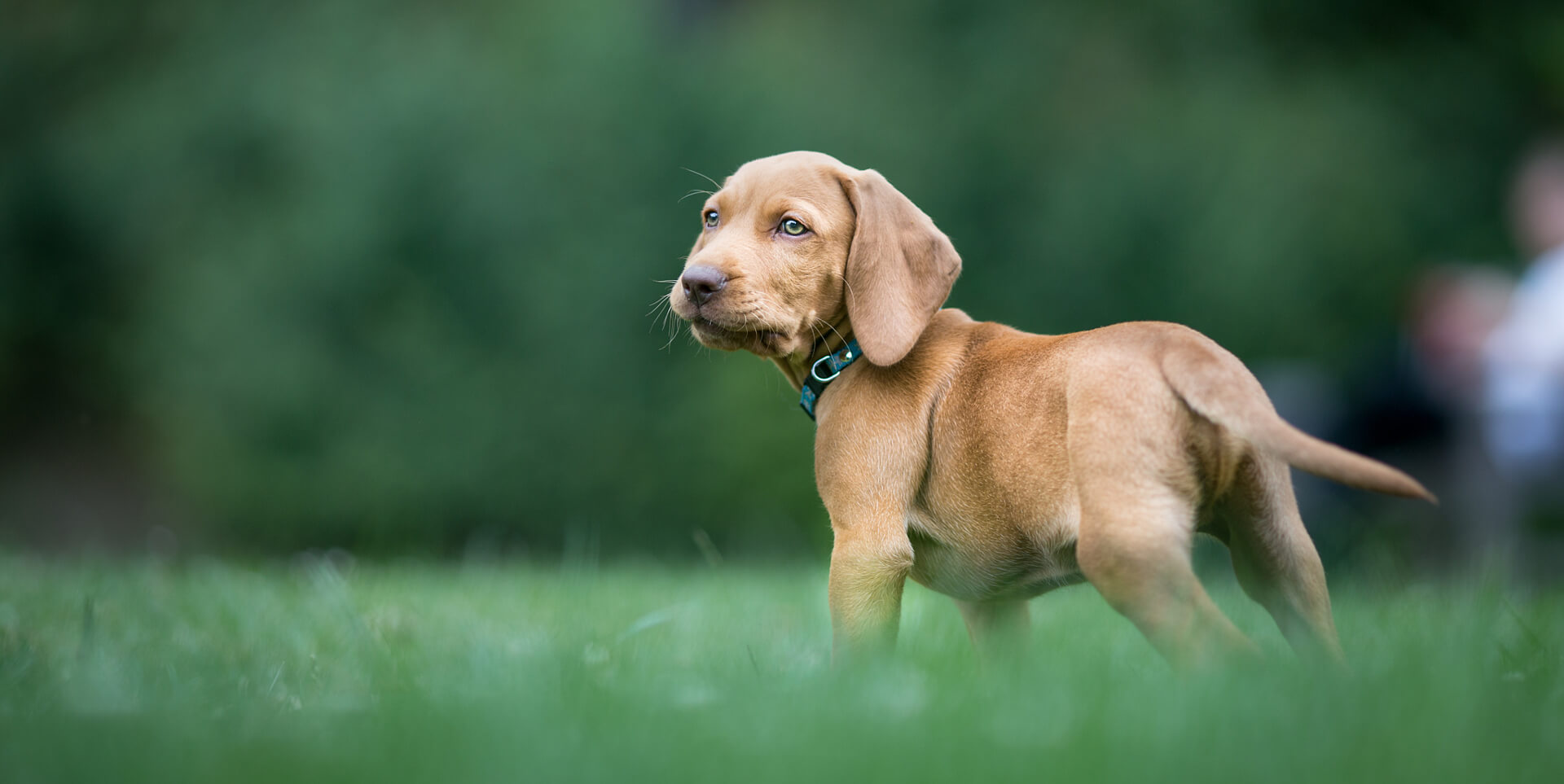
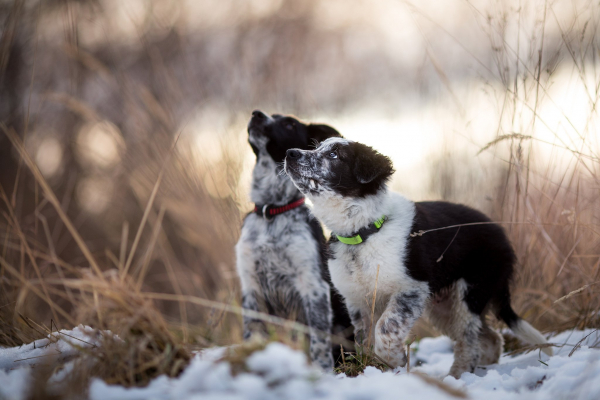
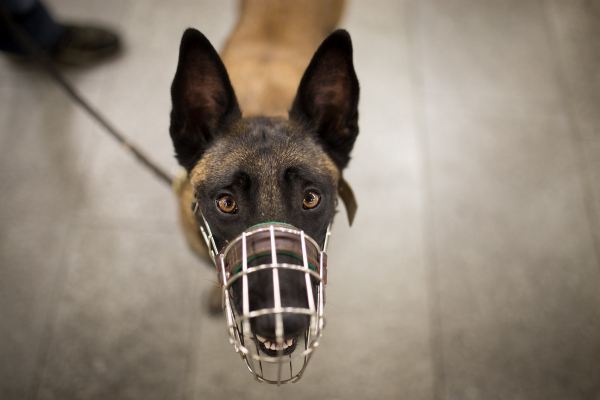
Even though the dogs went through long years of domestication, they still retain fundamental instincts as we do. They might not be as strong as in wild dogs, but they still play a very significant role in the life of a dog and in their behaviour. So if we have a dog companion at home, we should try to understand them, after all, it might explain some of the misunderstandings between the two of us.
Even though the dogs went through long years of domestication, they still retain fundamental instincts as we do. They might not be as strong as in wild dogs, but they still play a very significant role in the life of a dog and in their behaviour. So if we have a dog companion at home, we should try to understand them, after all, it might explain some of the misunderstandings between the two of us.
Instinctive intelligence is individual in each dog, every breed has certain instincts that are stronger than others. Some breed’s instincts command them to protect master’s property, others to tend sheep, search game or track. It had been exactly natural instincts that humans used for breeding when they would choose individuals with a strong instinct for breeding that was desirable for what was necessary. However, we can divide these fundamental dog instincts into the instinct of the pack, the hunting instinct and the protective instinct.
The instinct of the pack leads the dog to a sense of belonging with other dogs or with people. It is possibly the strongest and best well-preserved instinct in dogs. Thanks to this instinct, the dog has a strongly developed social sense. The hierarchy of the pack is fixed, every individual has a clearly determined place and task in every daily activity. The alpha male and the alpha female are the first ones to eat their fill, they determine the place of the hunt and maintain order within the pack. The need to be praised also stems from the pack instinct, since if often means a better menu or advance within the hierarchy. Dog needs an atmosphere of belonging, even if it’s us who are substituting for the pack, we should make it clear what is its place in the family. Dogs with a strong pack instinct don’t take well to being alone, they often bark or howl when they’re separated.
The protective instinct is a self-preservation instinct. Same as with us, people, it has two forms: fight or flight. Most of today’s dogs, regardless of the breed, has this instinct strongly preserved. The manifestation is flight distance, that is the distance from the danger that the dog is feeling. It is trying to keep this distance at all costs. The more scared the dog is, the greater the flight distance will be. If it is driven into a corner in such situation, an active or passive protective reaction will appear. In an active protective reaction, the dog tries to avoid danger in every possible way. It flinches, dodges, tries to run away. A passive protective reaction is a manifestation of a weak and immature individual. In that case, the dog hides behind its master, looks away, pulls down its tail under its abdomen, or presses against the ground or freezes in place. It may even wet itself. In very anxious and imbalanced dogs, pseudo-aggressive behaviour occurs, when the dog attacks due to fear.
The hunting instinct has probably been hit by domestication the most. Dog is limited in its hunting behaviour from a puppy - it must not hunt game or take notice of other domestic animals. Besides, the genetic base of this behaviour itself is hit by long-term breeding and the changes are then further fixed genetically. In some breeds, the hunting instinct is strongly suppressed, in others, where it is desirable, it is modified according to human needs. For example, exhibitions in hounds or baiting in greyhounds. You can notice a hint of the hunting instinct during retrieval or when they’re shaking a toy (this imitates shaking the prey to kill it). It is also used for defence training.
If we understand dog’s constitution, we will be able to work with it in the right way, to secure it a nice and full-fledged life and even our life together with it will be calm, pleasant and full of a sense of belonging. We will have the feeling, that we understand each other and our bond will be firm and full of love.
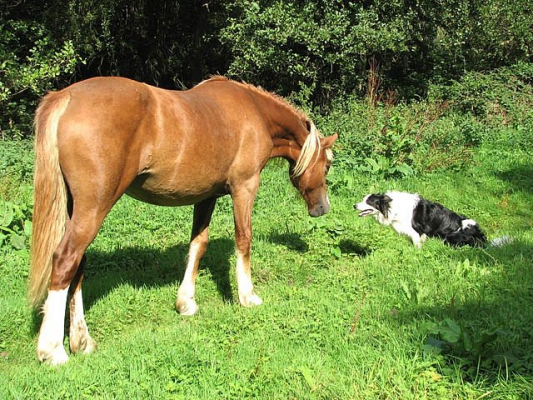
Nejsem kdovíjak velký koňák, ale projížďku na koni čas od času ráda podniknu. Své chlupáče obvykle nechávám doma. Přítomnost koní je totiž vyvádí z míry. Když jsem si pořizovala své čtyřnohé psí parťáky, nepomyslela jsem na to, že ne všechna plemena...
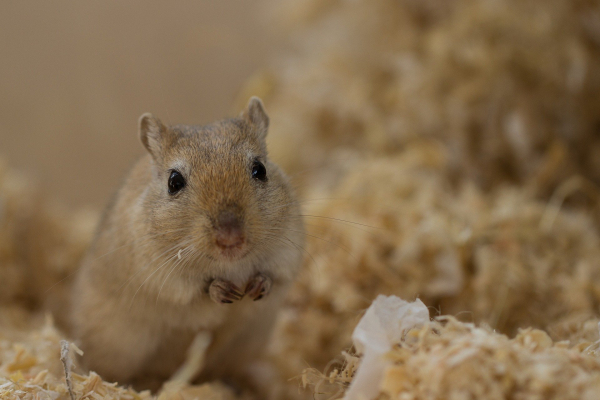
Roztomilé pískomily jsem jako malá vždycky obdivovala v pražské ZOO. Zatímco mladší bratr chtěl vždycky pospíchat na slony, hrochy, lvy a tygry, mě nejvíc bavila ta zvířata, která obvykle stojí stranou největšího zájmu návštěvníků. Kdybych neměla doma...
Každý, kdo má doma psa, určitě potvrdí, že jsou to empatická a citlivá zvířata. Jsem přesvědčená, že po náročném pracovním dni můj chlupáč prostě pozná, že jsem unavená a mám špatnou náladu a chová se jinak, než když jsem veselá a plná energie. To, co...
Jestliže máte koček víc, tak jako já, asi se shodneme, že zcela jednoznačná odpověď neexistuje. Podle mých zkušeností dokonce neexistuje ani jednoznačná odpověď na to, zda kočky vůbec hlazení mají rády. Můj nejdivočejší kočičák ho třeba vůbec...
Zimní počasí dává zabrat především psím tlapkám. Chodníky a cesty ošetřené posypovou solí tak v tomto období představují pro pejskaře a jejich psí společníky nepřítele číslo jedna. Víte, jak správně pečovat o psí tlapky v zimě? Opakování je matka...
Ptáte se, jak vypadá hyperpes? Říkám tak všem psím chlupáčům, kteří milují pohyb doma i venku a energie mají stále na rozdávání. Jsou to malí i velcí neposedové i nepolehové, věční průzkumníci a vytrvalí přinašeči balónků i nejvěrnější vítači....
S péčí o psí a kočičí chlupáče se pojí i řada mýtů. Mezi jeden takový já osobně řadím i onemocnění zvané toxoplazmóza. Jedná se o parazita, který způsobuje spíše více paniky, než skutečných problémů. Navíc se netýká jen koček nebo kočičích majitelů,...
Ježek si napichuje na bodliny jablka a kočka ráda pije z mističky kravské mléko. Tyhle dva obrázky se mi do hlavy zaryly v dětství, protože v celé řadě knížek pro děti byli ježci a kočky nakreslení právě při těchto činnostech. Bohužel se ale jak v...
Ne každá kočička má to štěstí, aby se měla jako moji kočičáci. Pelíšky u topení a denně plné mističky dobrého jídla. Pro divoce žijící kočky bez domova jsou zimní měsíce nejtěžším obdobím roku. Proč? Na vině jsou nejen nízké teploty, ale také ztížená...
Věděli jste, že alternativní medicína pro domácí mazlíčky už je dnes zcela běžnou záležitostí? A prý si získává oblibu čím dál více zvířecích majitelů. Veterinární léčitelství má ale řadu podob a své uplatnění najde jak při prevenci, tak i při léčbě...
Také mluvíte o psech v jednom kuse? A už vám vaši známí říkali, že byste se měli prací se psy živit? Musím se přiznat, že mně by se tím splnil můj dětský sen. Jenže pomoc psům v nouzi nebo jejich trénink na cvičácích stále ještě v naší zemi stojí...
Přemýšlíte, kam vyrazíte na výlet? A co třeba do ZOO? Já do zoologických zahrad zásadně chodím ráda v zimě, a to hlavně proto, že je tam menší nával lidí. A tak pomalu plánuji, že letos po letech zase vyrazím. Nikdy před tím jsem ale s sebou nebrala...