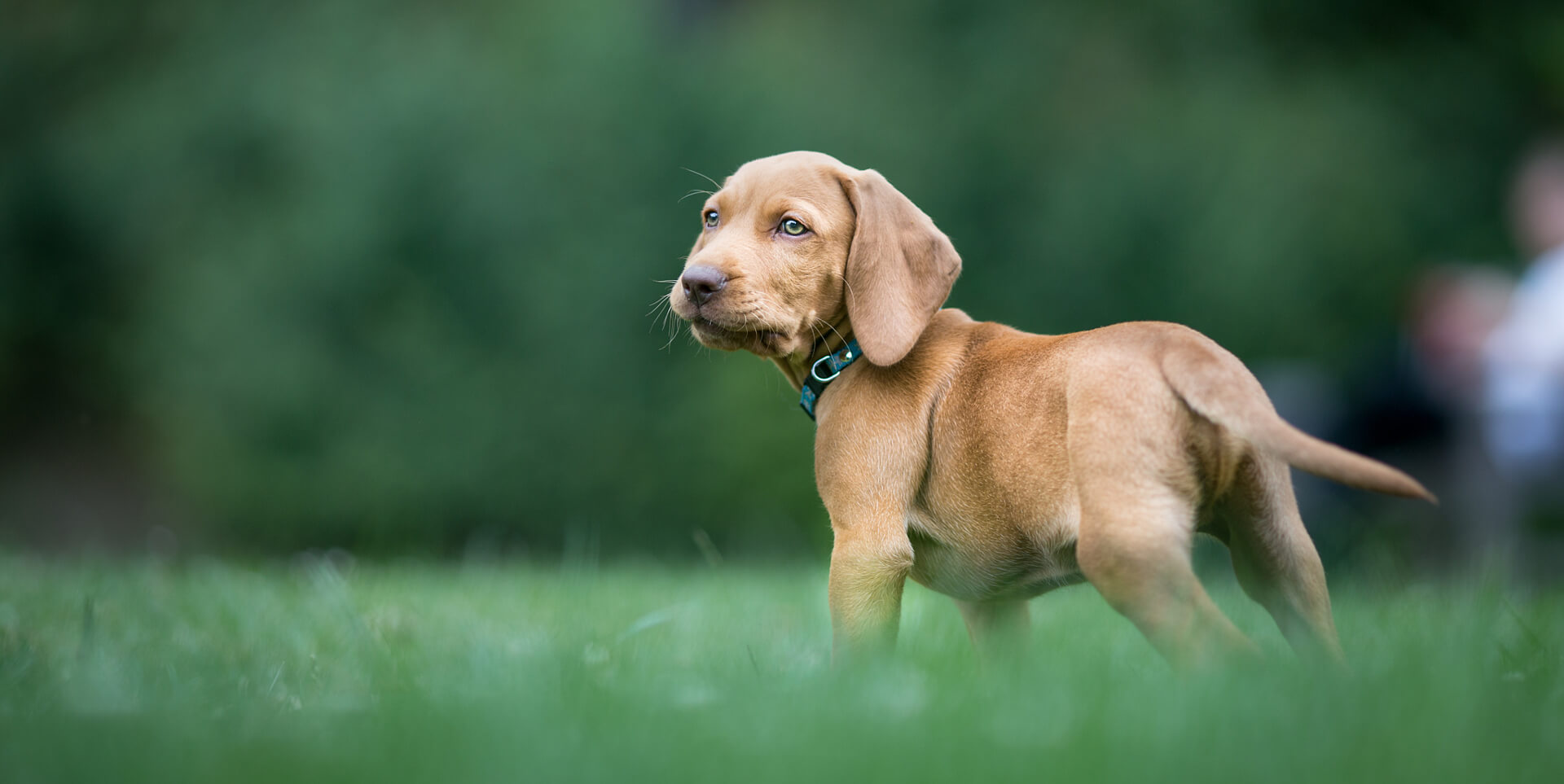
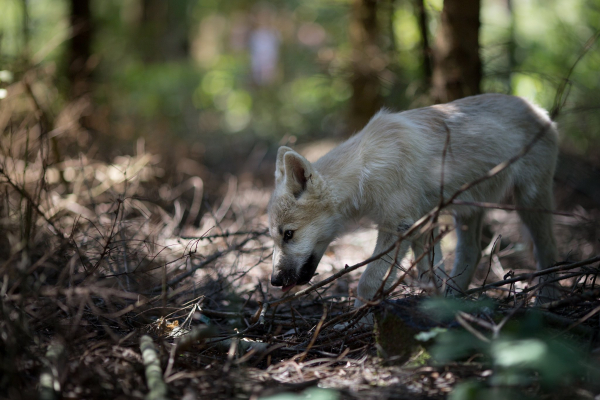
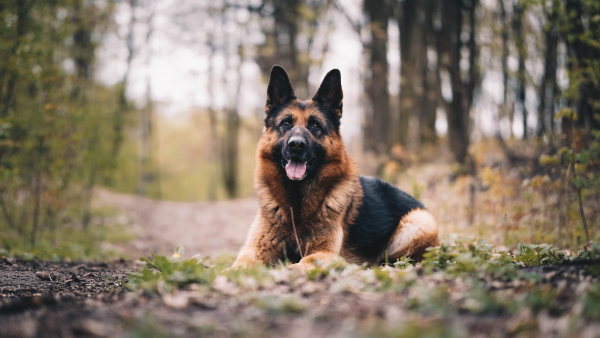
Even though the dogs went through long years of domestication, they still retain fundamental instincts as we do. They might not be as strong as in wild dogs, but they still play a very significant role in the life of a dog and in their behaviour. So if we have a dog companion at home, we should try to understand them, after all, it might explain some of the misunderstandings between the two of us.
Even though the dogs went through long years of domestication, they still retain fundamental instincts as we do. They might not be as strong as in wild dogs, but they still play a very significant role in the life of a dog and in their behaviour. So if we have a dog companion at home, we should try to understand them, after all, it might explain some of the misunderstandings between the two of us.
Instinctive intelligence is individual in each dog, every breed has certain instincts that are stronger than others. Some breed’s instincts command them to protect master’s property, others to tend sheep, search game or track. It had been exactly natural instincts that humans used for breeding when they would choose individuals with a strong instinct for breeding that was desirable for what was necessary. However, we can divide these fundamental dog instincts into the instinct of the pack, the hunting instinct and the protective instinct.
The instinct of the pack leads the dog to a sense of belonging with other dogs or with people. It is possibly the strongest and best well-preserved instinct in dogs. Thanks to this instinct, the dog has a strongly developed social sense. The hierarchy of the pack is fixed, every individual has a clearly determined place and task in every daily activity. The alpha male and the alpha female are the first ones to eat their fill, they determine the place of the hunt and maintain order within the pack. The need to be praised also stems from the pack instinct, since if often means a better menu or advance within the hierarchy. Dog needs an atmosphere of belonging, even if it’s us who are substituting for the pack, we should make it clear what is its place in the family. Dogs with a strong pack instinct don’t take well to being alone, they often bark or howl when they’re separated.
The protective instinct is a self-preservation instinct. Same as with us, people, it has two forms: fight or flight. Most of today’s dogs, regardless of the breed, has this instinct strongly preserved. The manifestation is flight distance, that is the distance from the danger that the dog is feeling. It is trying to keep this distance at all costs. The more scared the dog is, the greater the flight distance will be. If it is driven into a corner in such situation, an active or passive protective reaction will appear. In an active protective reaction, the dog tries to avoid danger in every possible way. It flinches, dodges, tries to run away. A passive protective reaction is a manifestation of a weak and immature individual. In that case, the dog hides behind its master, looks away, pulls down its tail under its abdomen, or presses against the ground or freezes in place. It may even wet itself. In very anxious and imbalanced dogs, pseudo-aggressive behaviour occurs, when the dog attacks due to fear.
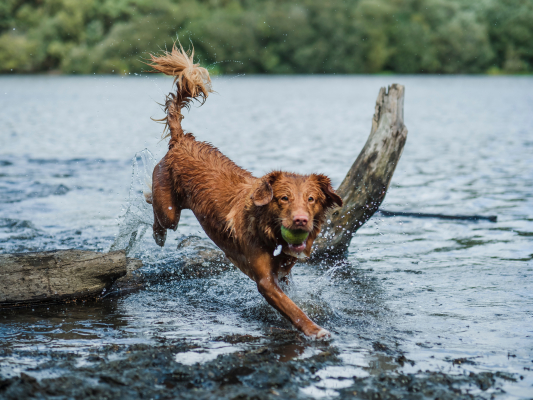
The hunting instinct has probably been hit by domestication the most. Dog is limited in its hunting behaviour from a puppy - it must not hunt game or take notice of other domestic animals. Besides, the genetic base of this behaviour itself is hit by long-term breeding and the changes are then further fixed genetically. In some breeds, the hunting instinct is strongly suppressed, in others, where it is desirable, it is modified according to human needs. For example, exhibitions in hounds or baiting in greyhounds. You can notice a hint of the hunting instinct during retrieval or when they’re shaking a toy (this imitates shaking the prey to kill it). It is also used for defence training.
If we understand dog’s constitution, we will be able to work with it in the right way, to secure it a nice and full-fledged life and even our life together with it will be calm, pleasant and full of a sense of belonging. We will have the feeling, that we understand each other and our bond will be firm and full of love.
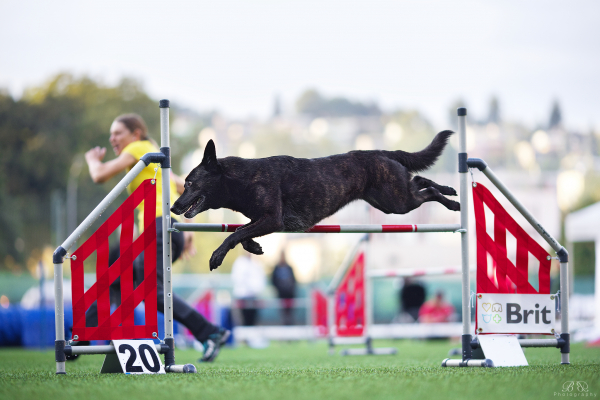
Jana patří mezi nejúspěšnější závodníky a trenéry agility v ČR. Se svými psy je držitelem titulu Mistra ČR a Mistra světa holandských ovčáků a pravidelným členem české reprezentace na European open.
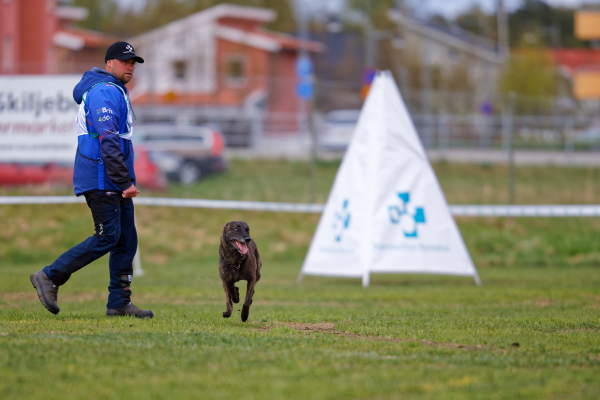
Adam Holeksa se výcviku psů věnuje již více než 15 let. Čerpá z dlouholeté praxe a poznatků, které nasbíral, ať už jako psovod v záchranné brigádě kynologů České republiky nebo jako trenér asistenčních a vodicích psů pro nevidomé. Se svými psy složil...
Teplé dny a prázdniny má většina z nás spojené s pobytem v přírodě nebo někde u vody. To pro chovatele psů znamená ale také věčné trápení s klíšťaty. Není proto výjimkou, že váš pes přinese z procházky v kožichu nevítaného hosta. Na to, jak s nimi...
To, že kočky milují hru, ví snad každý. Jsou to ale také velmi chytří tvorové, a aby se nezačali nudit, potřebují zaměstnat nejen po fyzické, ale také po psychické stránce! Jak zabavit vaši kočku radí chovatelka thajských koček Jana Anastázie...
Vyvolává kuřecí maso u našich psích kamarádů alergie? V čem je naopak kuřecí maso pro pejsky přínosné? Nejen o tom jsme se bavili s nutričním specialistou Martinem Kvášem. Odpovědi jsou mnohdy velmi překvapivé.
Nesmíme zde opomínat malé a roztomilé hlodavce, kteří jsou jedním z nejmenších domácích mazlíčků. Křečci jsou oblíbení pro svůj hebký kožíšek, roztomilé pacičky a nenáročnost. Než se rozhodnete si pořídit křečka, přečtěte si tyto zajímavosti, které...
Mezi lidmi panuje přesvědčení, že psi umí plavat a je pro ně tento pohyb přirozený. Psi jsou opravdu obvykle dobří plavci, ale existují i výjimky. Která plemena patří mezi neplavce a co byste o psím plavání měli vědět?
Oblíbený a milovaný mazlíček, nejlepší přítel člověka a především věrný společník – to vše je pes. O psech toho víme mnoho. Víme, jak se psi cvičí, co jedí, kolik nás stojí peněz a co k životu potřebují. Víte však opravdu všechno? Pojďme se podívat na...
V poslední době vzrůstá obliba sušeného masa jako pamlsku pro naše chlupáče. Pejsci i kočky se po něm mohou utlouct a páníčci oceňují, že je výživné a lehce stravitelné. Na co si ale dát pozor a je skutečně vhodné pro všechny chlupáče?
Každá kočka má jedinečnou strukturu nosu, jako má člověk jedinečné otisky prstů. Jde o dokonale vyvinutý orgán. Co vše kočičí nos dokáže? A jak důležitým pomocníkem pro kočku je?
Co kočkám umožňuje jejich flexibilitu? Kolik času tráví péčí o svou srst? Nebo k čemu slouží kočičí ocásek? Přinášíme 25 základních faktů o těchto záhadných, přesto úchvatných čtyřnohých stvořeních, která si tak rádi pořizujeme jako domácí mazlíčky....
Německý ovčák je jedno z nepořizovanějších psích plemen vůbec. A je také nejčastějším služebním plemenem. Pokud máte v plánu pořídit si psího chlupáče této rasy, máme pro vás pár zajímavostí, které jste o vlčácích - jak se německému ovčákovi lidově...