
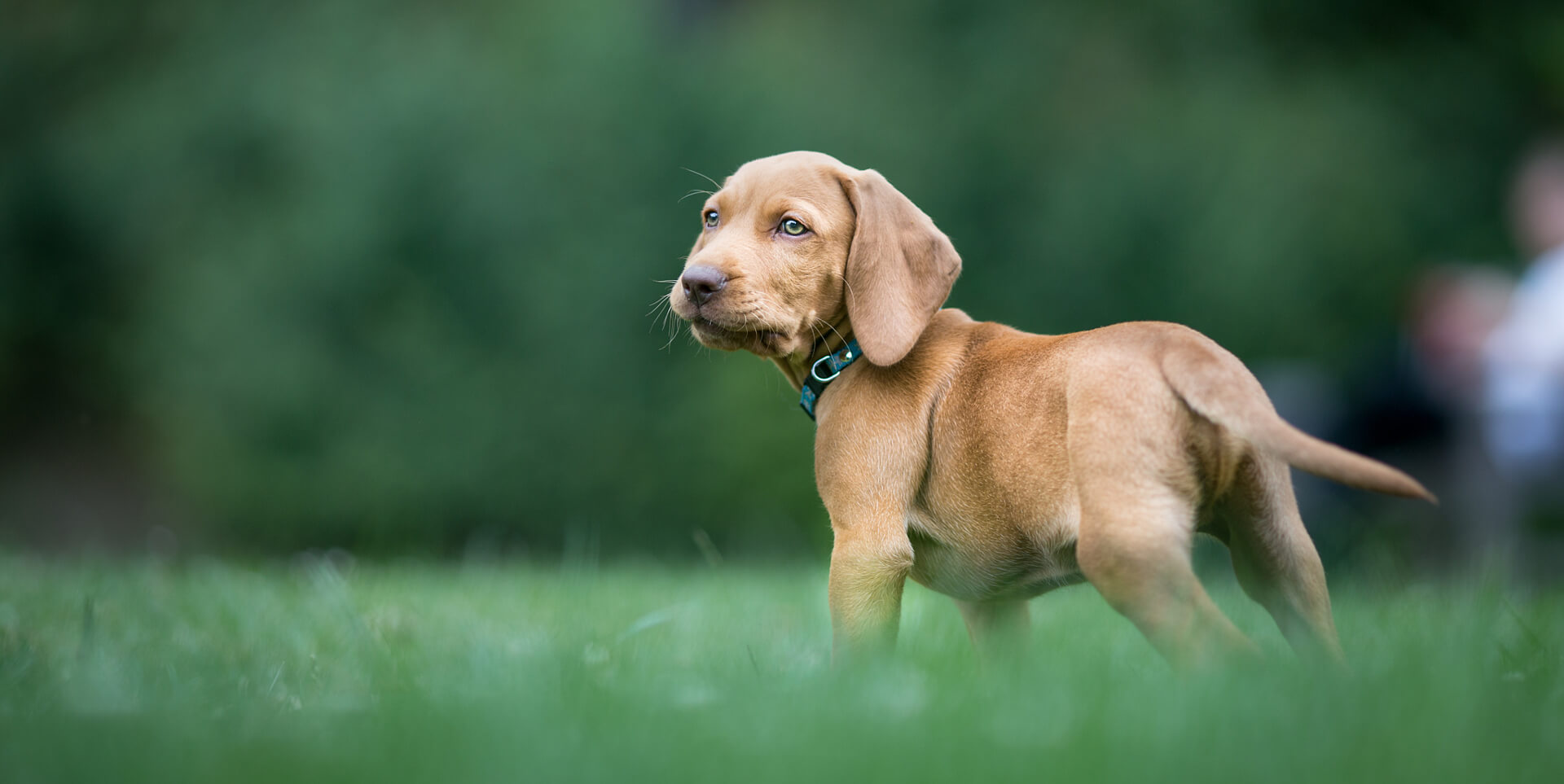
Dog Puller. Hra a zároveň trénink pro všechny druhy psů
Další z možných sportů, při kterém svého psa hrou můžete zároveň i intenzivně procvičit, je Dog Puller. Cvičit jej můžete se všemi druhy psů nehledě na velikost či věkovou kategorii.
You've surely seen the viral videos where cats jump away in fright and are in complete shock because of a cucumber. Would you like to know the reason for this? Are cats afraid of this harmless vegetable, or is there another reason?
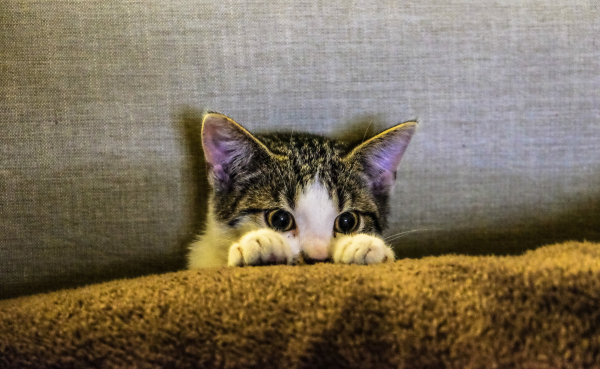
Are cats really afraid of something as harmless as a cucumber? If you think there must be something more to it, you're right. Cats aren't afraid of cucumbers themselves, it’s their natural reaction to get scared of anything that silently sneaks up to them, as is the case for humans and practically all other animals as well. Be honest, how many of you were scared by a prankster? If we didn't have this instinct, we wouldn't be here anymore.
Cats must be alert to predators, especially those that can sneak up on them unnoticed, like snakes. And, with a little imagination, you must admit that the cucumber may resemble a snake at first. It is therefore a simple reaction to an unexpected item appearing in an unexpected place. The cucumber's similarity to a snake increases their fright, but cats would be scared of almost any object that you would place behind them like that.
Cats are sharp, nimble animals and, as such, they are constantly on the alert and have good situational awareness. This is why virtually anything that sneaks up or crawls up to a cat can scare it, so it's no wonder that when you place this vegetable unnoticed behind a cat, when it's immersed in its bowl of food, for example, it jumps a meter into the air when it sees it.
A lot of people think this is a great, hilarious joke, but I wouldn't do it to my cat. What virtually all of these videos have in common, in addition to the cat's reaction, is the fact that the people place the cucumber behind it when it's feeding. Cats only eat when they are sure they're not in danger. In other words, cats perceive the place where their bowl is as an environment where they are perfectly safe. After this incident, however, they may become stressed when they eat or stop eating altogether. Sensitive individuals may experience long-term stress. Not to mention the fact that the cat's reaction will be to get away from the cucumber as quickly as possible, possibly harming itself or another family member.
So, please, don't destroy your cat's trust for a prank. Keep in mind that the cucumber really scares the cat. If you need to play a prank, leave your pets out of it; if you really must, you can scare your partner or a friend who can pay you back and who will not leave with long-term consequences.

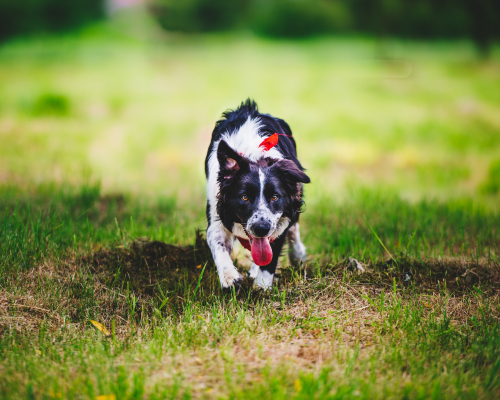
Další z možných sportů, při kterém svého psa hrou můžete zároveň i intenzivně procvičit, je Dog Puller. Cvičit jej můžete se všemi druhy psů nehledě na velikost či věkovou kategorii.

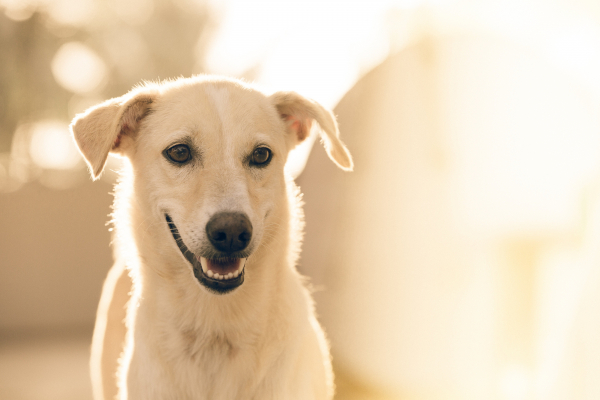
Tak jako nám, ani našim zvířecím mazlíčkům se nevyhýbají srdeční choroby. A jejich onemocnění je čím dál častější. Nejde pouze o přešlechtění plemen, ale důležitou roli hraje i prostředí, ve kterém žijí. Správnou prevencí je hlavně dobrá životospráva a...

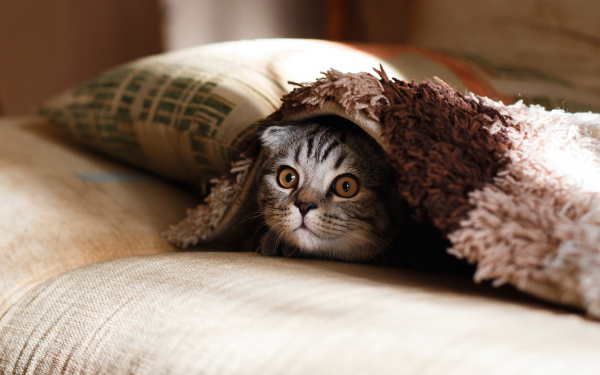
Péče o zvířata a jejich ochrana se staly jedním z hlavních celospolečenských témat. V dnešní online době se ani není čemu divit. Týrání a nepráví páchaného na zvířatech je plný internet, tedy i když se nás tento problém zpočátku nemusí týkat, být...

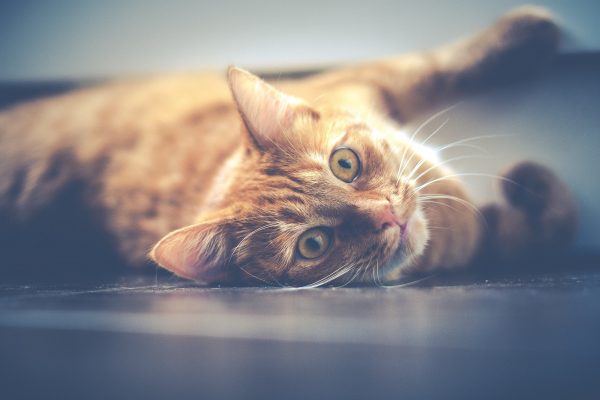
V dnešní době se kočky čím dál častěji stávají členy našich domácností. Tomuto trendu se přizpůsobují i výrobci kočičích záchodů. Ty mohou kočkám při jejich každodenní potřebě dopřát větší pohodlí. Z pohledu majitelů výrobci kladou větší důraz i na...

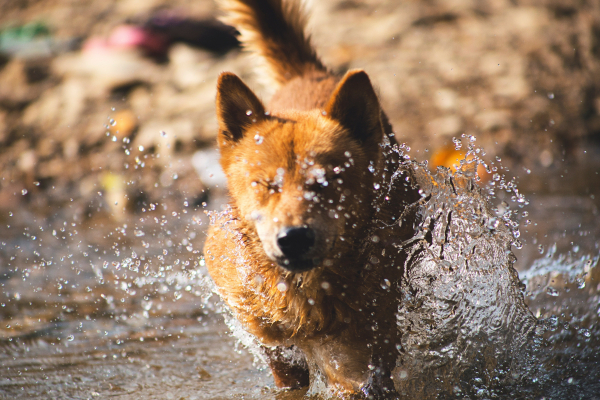
Lov a pohyb. Miluje-li pes obě tyto aktivity, pak je pro něj coursing jako strvořený. Tento terénní dostih je založen právě na touze psa chytit svoji kořist.

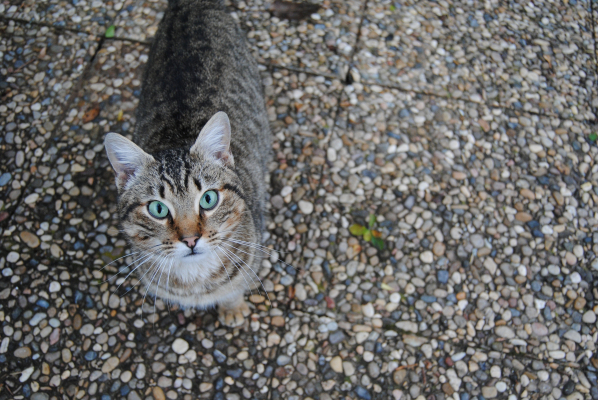
Kočka je dokonalým nástrojem pro lov. Vděčí za to desítkám let evoluce. Zatímco u psů byly jejich tělesné znaky zdůrazněny nebo potlačeny, kočkám zůstaly krom několika výjimek jejich hlavní rysy stavby těla nezměněny. Krom smyslů je právě stavba těla...


Ať jsme v prevenci sebedůkladnější, může nastat situace, kdy se pes nebo kočka k pro ně jedovaté věci dostane, ať už naší nepozorností, nebo cizím zaviněním. Proto není od věci se na možnost otravy připravit a vědět nejen, co v takové situaci dělat,...

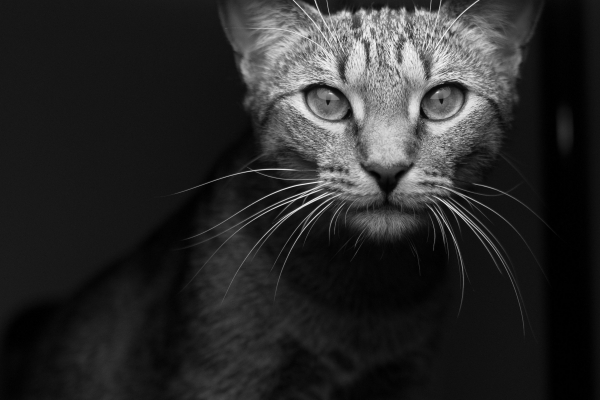
Jsem milovnicí koček. Fascinují mě svou ladností, hravostí i velkou hrdostí. Na konci jara jsem zapátrala po zajímavostech z kočičí historie a kroky mě zavedly až na dálný Východ k Maneki Neko, kočce která lidem nosí štěstí a bohatství. Podobně jako v...

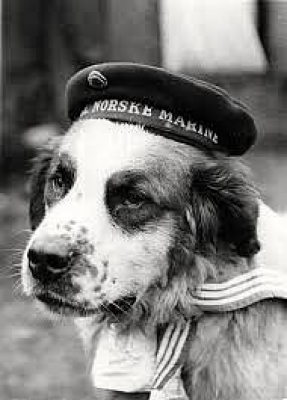
Příběh udatného Bamsyho se začal psát v norském Oslu v roce 1937. Jako štěně ho koupil lodní kapitán Erling Hafto, který z něj začal vychovávat pravého námořníka. Už od útlého štěněčího věku se tak Bamsy plavil na lodích a seznamoval se s životem na...

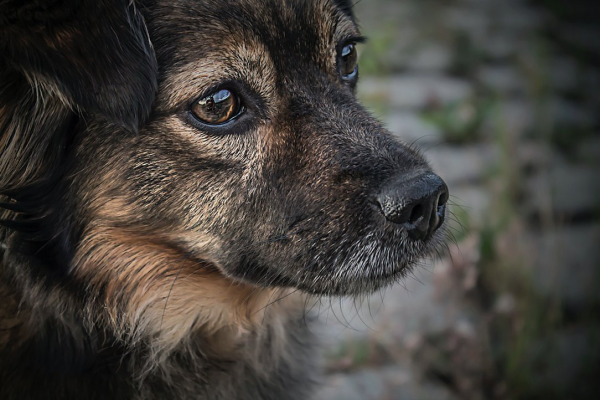
Hned v úvodu musím zdůraznit, že každý pes je jiný. Každý prožívá nervozitu jinak, a tudíž ji i jinak projevuje. Někteří se bojí, jiní se hned ženou do boje. Je úkolem pána poznat, co jeho pes zrovna cítí, a pokud možno i předvídat, jaká situace mu...

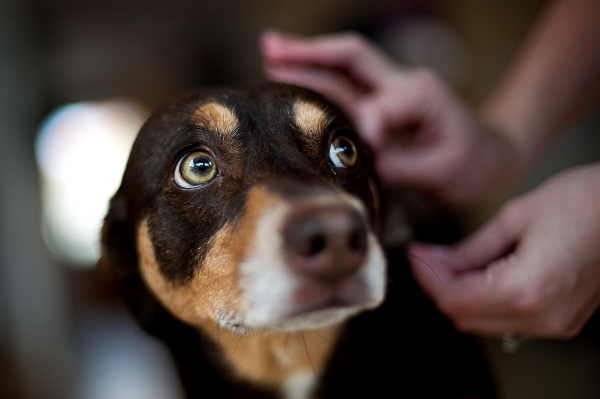
Na tom, jestli správně vytáhnete klíště z psího nebo kočičího kožichu, může záviset, jestli se zvíře nakazí lymskou boreliózou nebo jiným zákeřným onemocněním přenášeným klíšťaty. Máte na to tu správnou techniku a pomůcky?

Stejně jako u lidí, je také u psů borelióza velmi závažným onemocněním. Nakažených je v České republice odhadem 20 % klíšťat. A protože i přes použití antiparazitik může váš pes sem tam nějaké to klíště chytit, je dobré vědět, jak se toto bakteriální...