
Pozor na torzi žaludku
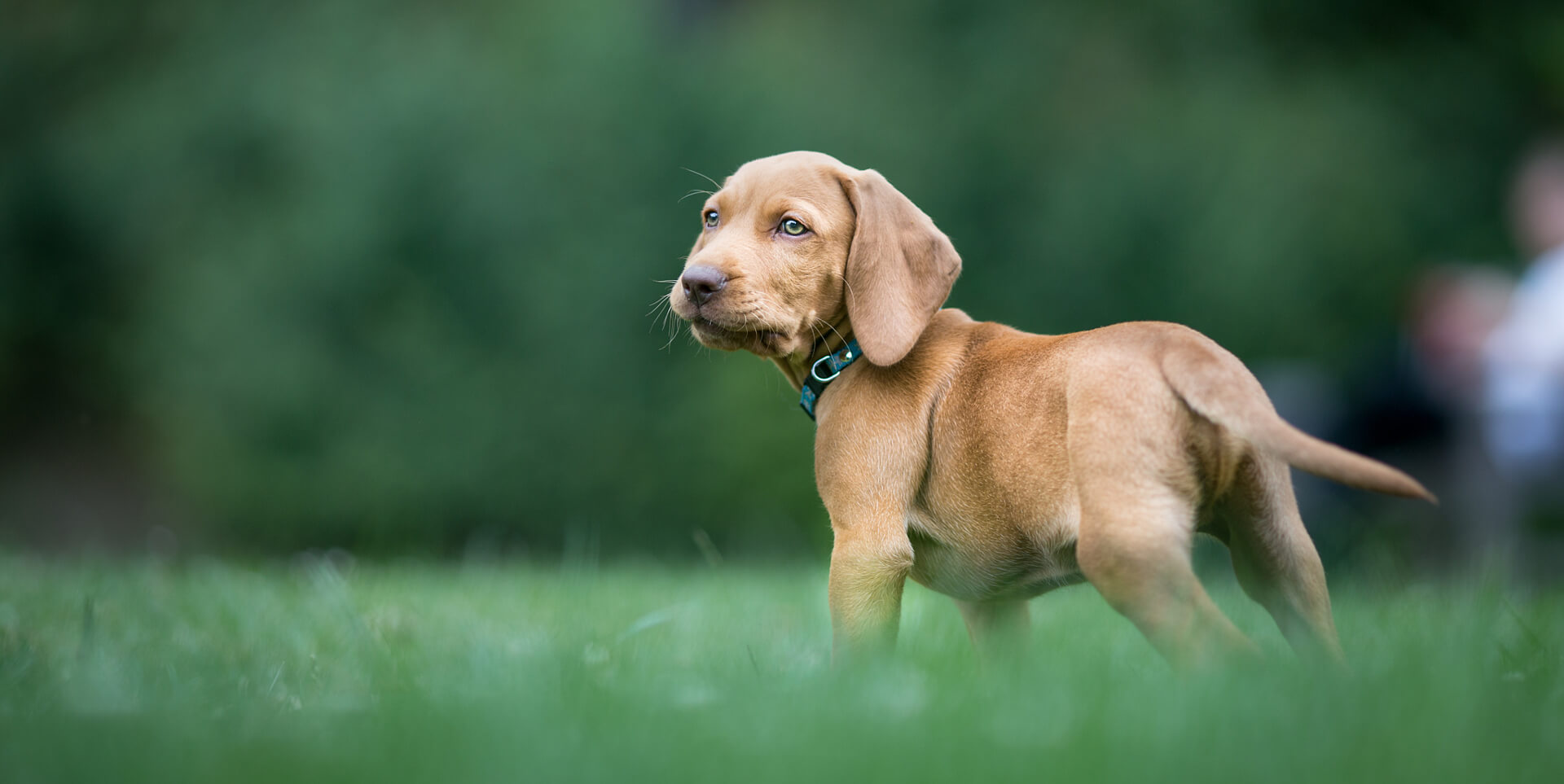
Akutní torze žaludku je velmi nebezpečné onemocnění, které bez včasného zásahu veterináře může lehce vést až ke smrti zvířete. Přitom prevence není zas tak složitá a omezit riziko výskytu můžeme celkem snadno. Víte jak?
Kittens, as well as a number of other animal offspring, are born blind. Their eyes open around the tenth day of their life and only after another week, they are fully functional. Even though the sight in a cat belongs among the best-developed senses, cats are slightly short-sighted for their whole lives.
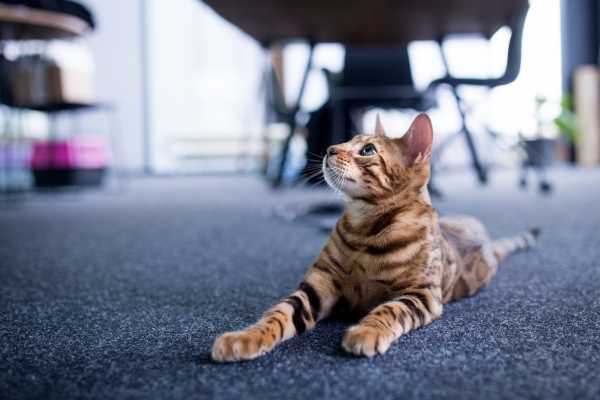
Kittens, as well as a number of other animal offspring, are born blind. Their eyes open around the tenth day of their life and only after another week, they are fully functional. Even though the sight in a cat belongs among the best-developed senses, cats are slightly short-sighted for their whole lives.
Cat’s sight has the greatest sharpness when observing at a distance of two to six meters. But what happens right in front of its nose, the cat recognises rather through smell or using its whiskers, same as in the first days after the birth, when it’s directly dependent on these senses. What causes that?
Cat has limited eye mobility to the sides comparing to humans and also a smaller field of view. While we have about 220 degrees, cats have 205 degrees. However, it can better focus even on the edges of the field of view, because its eye lens is more bent. It also compensates it by a greater degree of spatial vision, which is for it, as for a hunter of small rodents in uneasy terrain, a great advantage.
Cats can also see really well in the dark. How come? Their cornea is more convex, so it captures more light beams. The pupil dilates depending on the amount of light. The less there is, the larger the pupil gets. It can cover almost the entire iris and thereby it lets maximum amount of light in the eye. This again corresponds with the life rhythm of the cat. Since it often hunts at twilight or in the dark. Under direct light, we can hardly see the pupil. It pulls back into a thin strip to protect the sensitive retina.
This brings us to another difference. While people have their pupil round under every light, the cat’s pupil pulls back into an elliptical shape, a thin strip. This happens, because it is closed by two muscles from the sides.
Cat’s eye is unique since a cat, as the only animal, has one extra vascular layer behind the retina - the so-called tapetum lucidum. It is composed of layers of reflective cells, a kind of “mirror”. The beams that once pass through the retina, reflect from it on the second reflective layer and they stimulate the receptors again. You could say, that every beam of light is used twice. That’s why cats need only a minimum amount of light for seeing. This reflective layer is also responsible for the effect of shining cat eyes.
When it comes to the colour seeing of cats, we still don’t understand it completely. However, it is deemed, that cats don’t put too much weight on colours. For example, rather than by colour, the kittens choose toys depending on whether they’re moving, making a sound or because of higher temperature. So far, we’ve only found that cat eyes contain cones that react to blue, green and yellow colour, while cones for red are missing completely.
From humans, the cat differs by the fact, that its eye has also a third eyelid, a winking membrane. It is only a thin membrane that constantly moistens and cleans the eye. That’s why cats almost don’t have to blink. This applies to cats around the whole world. What distinguishes the fluffy guys between them is the shape of the eye and their colour. Particularly the eye colour, next to slight deviations from head anatomy, is one of the important characteristics of the individual breeds.
Whether you’re rearing a cat anywhere, the cat’s eyes are an incredible organ without any doubt, which surpasses human eyesight in many respects :).

Akutní torze žaludku je velmi nebezpečné onemocnění, které bez včasného zásahu veterináře může lehce vést až ke smrti zvířete. Přitom prevence není zas tak složitá a omezit riziko výskytu můžeme celkem snadno. Víte jak?

Nejen u lidí bývá se s příchodem podzimu začne vyskytovat více infekcí a nachlazení. Stejně tak je tomu i u našich psích kamarádů. Přečtěte si, jak v těchto chladných a vlhkých dnech podpořit imunitu svého parťáka.

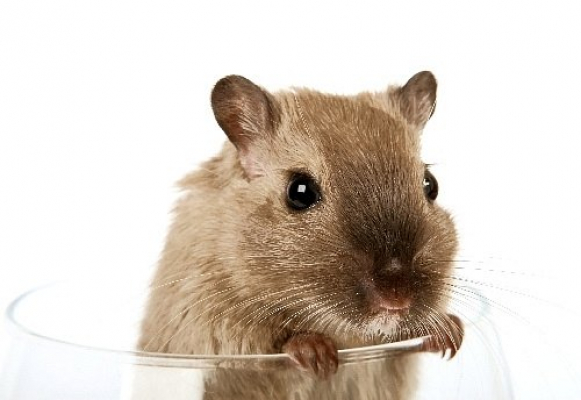
Plánujete si pořídit malého „myšího“ společníka a nevíte, podle čeho si vybrat toho správného? Obdobně jako psí plemena mají i hlodavci svá povahová specifika a odlišnosti. Také se různí nároky, které si kladou jednotlivé druhy hlodavců na péči. Pojďme...

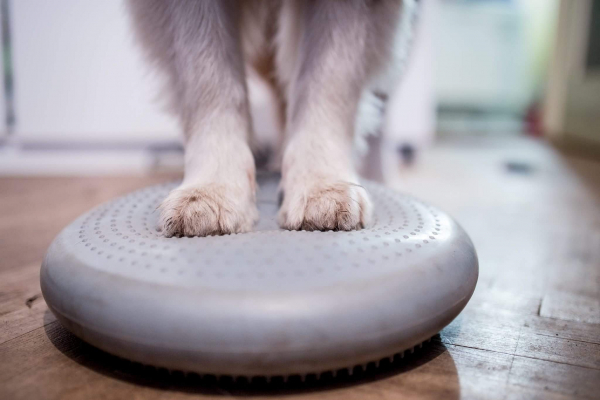
Ať už máte psa sportovce, nebo ne, toto cvičení mu pomůže udržet se v aktivní fyzické kondici při využití všech svalů rovnoměrně. Výhod balančního cvičení ale najdete mnohem víc, čtěte dál.

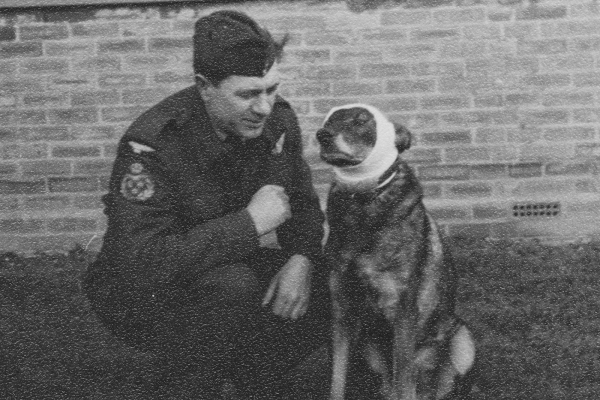
V tomto cyklu se seznámíme se slavnými psími osobnostmi. Psi v našem životě hrají přeci důležitou roli, tak se pojďme podívat, co vše už za dobu našeho soužití dokázali. Antis byl příslušník 311 Československé bombardovací perutě a byl vyznamenaný za...

Během podzimního a zimního období bychom měli mít stejnou péči jako o své zdraví také o imunitu a zdravotní stav našeho chlupáče. Nachlazení není u psů ničím neobvyklým, existuje však několik užitečných tipů, jak mu předejít. V tomto článku si...

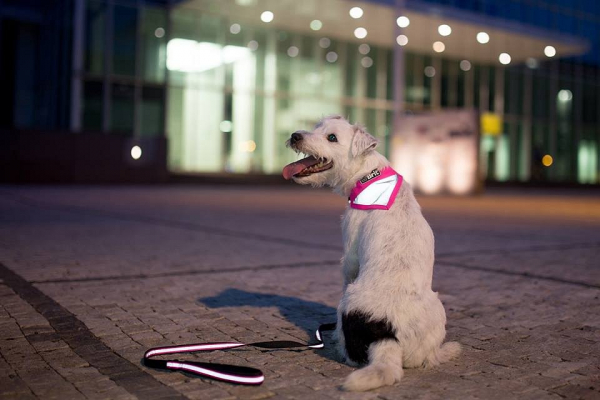
Pomalu už se nám blíží období krátkých dnů. Do práce i z práce budeme brzy chodit za tmy, takže ani venčení potmě nebo za šera se nevyhneme. Pokud chceme mít svého parťáka stále na očích, a hlavně, pokud mu chceme zajistit větší bezpečí, nezbude nám...

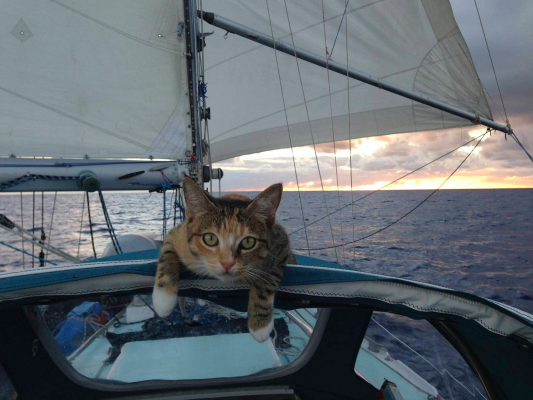
Ne každá bezprizorní kočka najde svůj domov. Kolika se ale povede najít si domov na lodi? :)

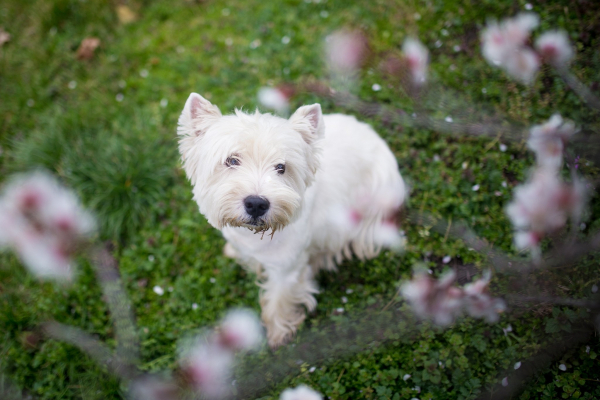
Epilepsie je stejně jako u lidí nemoc celoživotní a nevyléčitelná. Toto onemocnění se může vyskytnout u jakéhokoli psa nebo kočky všech ras a v každém věku. Podíváme se na to, co vlastně epilepsie je, jaké jsou její hlavní příčiny a jak poznáte...

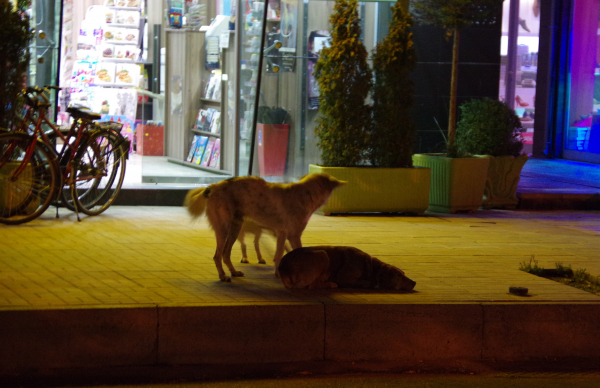
V tomto cyklu se společně podíváme, jak se daří kočkám a psům ve světě. Kde je lidé hýčkají a předcházejí si je, kde naopak mazlíci strádají a jejich situace je kritická. Dnes se s vámi podělím o svou zkušenost s Albánií.

Poslední rozloučení s domácím mazlíčkem, zvláště se psy a kočkami, kteří s námi žijí dlouhá léta, je psychicky velmi náročné. Kdo to zažil, dá mi za pravdu. Pro lidi, kteří se necítí v těchto chvílích na to, aby organizovali kremaci či pohřeb svého...

U větších domácích zvířat, zejména u psů, je pro nás péče o mazlíčkovy zuby samozřejmá. Jakmile zvíře dosáhne několika let věku, je nutné být čím dál pečlivější, protože usazující se zubní plak a potažmo kámen vede k zánětům dásní, které jsou pro celý...