
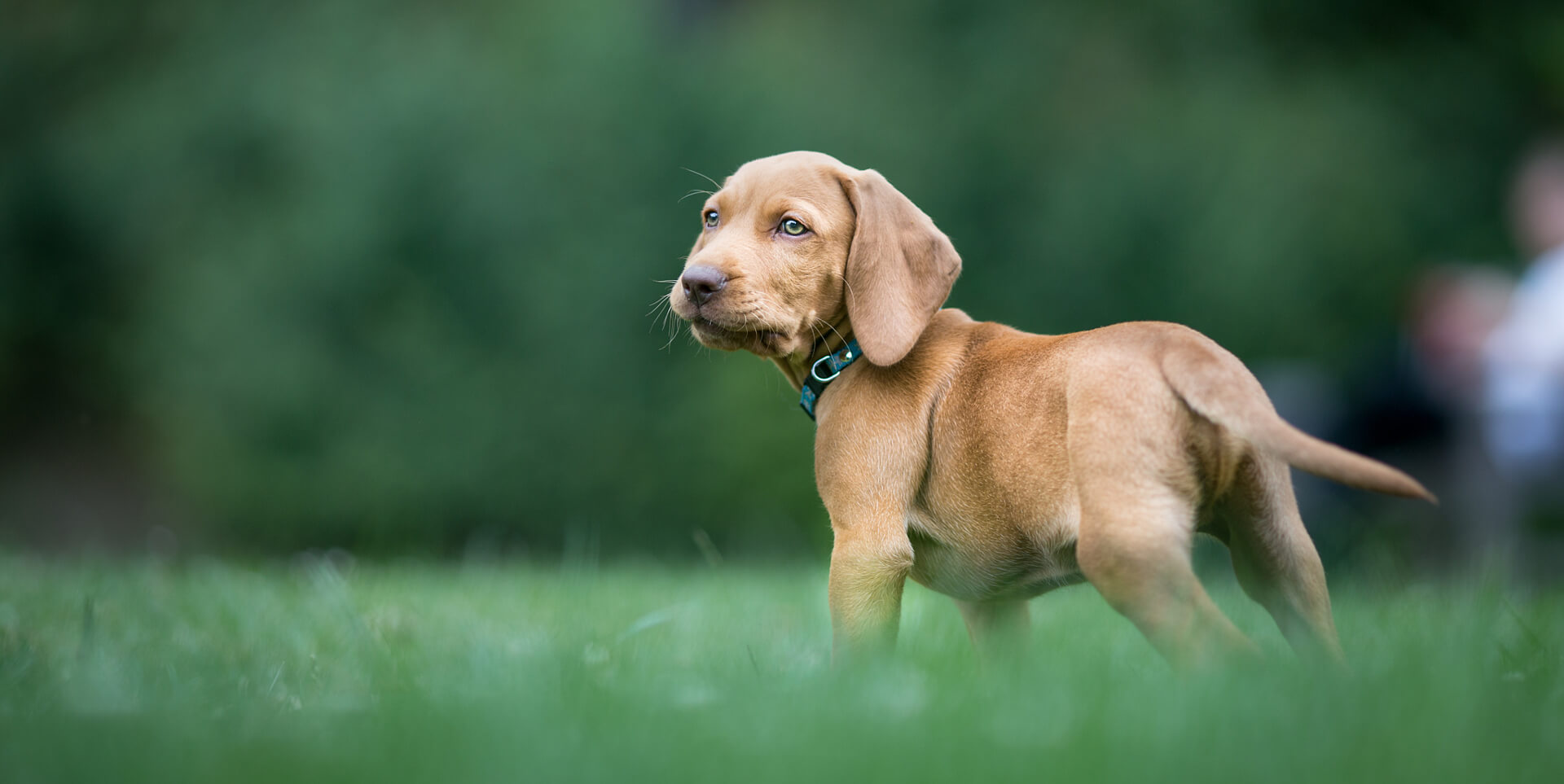
Jaký sport vybrat, kdy začít a jak trénovat?
Ať už chcete sport se svým psem provozovat rekreačně nebo vrcholově, je třeba se nejdřív zamyslet, jestli je pro něj vhodný. A to nejen z hlediska jeho povahy, ale také fyzických predispozic.
Did you know that the concept of "allergy to fur" is actually a nonsense? The hair itself are not the only allergens. So what exactly is the person allergic to if he/she is allergic to dogs/cats and does he/she have to get rid of the animal immediately when the allergy occurs? And are there some hypoallergenic breeds?
Did you know that the concept of "allergy to fur" is actually a nonsense? The hair itself are not the only allergens. So what exactly is the person allergic to if he/she is allergic to dogs/cats and does he/she have to get rid of the animal immediately when the allergy occurs? And are there some hypoallergenic breeds?
The society is misleaded that when a person is allergic to dogs/pets, he/she is allergic to their fur. And then people think that cats and dogs without fur or some breed that does not moult will not cause allergy. But it’s not true.
What is actually the allergen?
Allergens are proteins which can be found mainly in saliva, sweat, urine and dandruff of animals. These secretions easily stick to hair. The allergens of animals are very adhesive so they easily stick to walls or any objects or clothes. They can even stick to dust grains. Moreover, after they get dry they start to evaporate into air.
So the problems are not caused by the direct contact with the pet alone. The allergic reaction can occur even at the place where no animal has been for months or where no animal has ever been.
The source of the most aggressive allergens are cats and various rodents.
What are the most frequent symptoms of allergy to cats or dogs?
Are there any breeds that are suitable for an allergic person?
As I have already explained, it does not depend on the length of animal’s hair. And how much the animal moults is also not a determining element.
But the breed still plays some role. Some excrete more allergens and others only rarely cause allergic reactions.
However, the amount of allergens which the animal excretes depends on its diet, health or hygiene. It can also happen that the allergic person does not have reactions to his/her own pet but he/she will have allergic reactions to other pets of the same breed.
I will show you in the next part of the article that even when in the event that the allergy occurred you don’t have to give away your pet (unless it is an extreme case). Only a few precautions is enough to eliminate the allergens at your home as much as possible.
Do you have an allergy to dogs, cats or rodents? How did you deal with it? Did you have to give your pet away or did you find a solution?

Ať už chcete sport se svým psem provozovat rekreačně nebo vrcholově, je třeba se nejdřív zamyslet, jestli je pro něj vhodný. A to nejen z hlediska jeho povahy, ale také fyzických predispozic.

Vzteklina není v Česku běžná, ve světě ale představuje velké zdravotní riziko. Podle dostupných dat za loňský rok se situace příliš nezlepšila a některé případy nákazy zvířat tímto onemocněním se nedávno objevily i u nás. Co bychom jako majitelé...

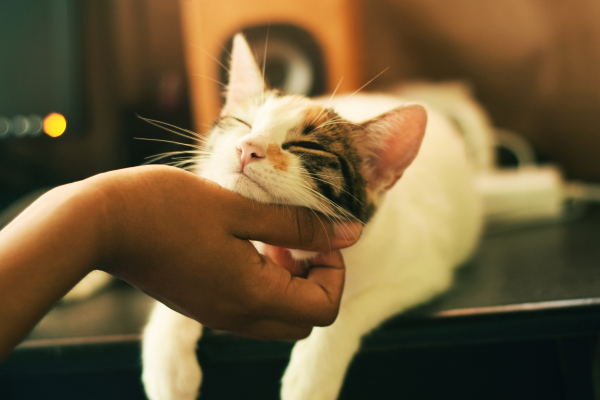
Ochrana práv zvířat je celosvětovou záležitostí. Radost i bolest cítí zvířata všude na světě úplně stejně. Tak jako lidé jsou i ona chráněna nejrůznějšími zákony. Na jejich dodržování po celém světě dohlíží nestátní neziskové organizace a další...


Inovace se nevyhýbají ani trhu s chovatelskými potřebami. Stále se na něm objevují novinky ať už pro vaši a chlupáčovu zábavu, usnadnění péče nebo pro sledování či udržování kondice vašeho miláčka.

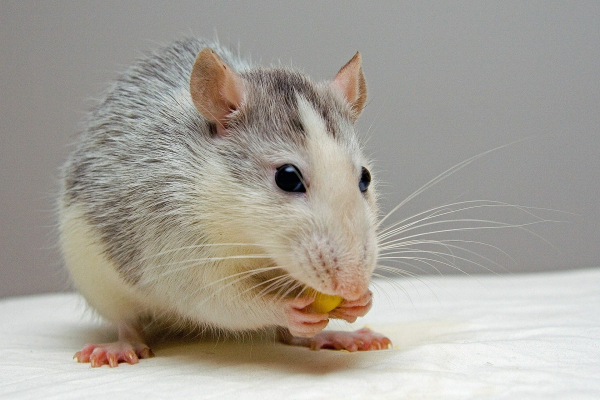
Zatímco v přírodě se jejich jídelníček řídí přirozenými instinkty a potřebami, v domácím prostředí hlodavci a jiná malá zvířata vyžadují pravidelný a vyvážený přísun potravy. Co patří a nepatří na jídelníček potkana a čemu by se naopak měl vyhnout?...

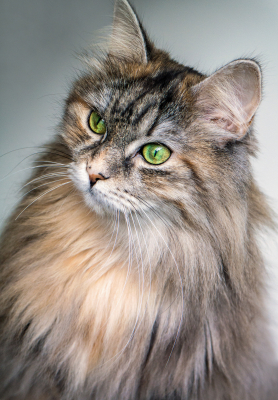
Mainská mývalí kočka je populární americké plemeno, a to nejen proto, že jde o největší domestikované kočičí plemeno vůbec. Oblibě se těší i díky své přizpůsobivosti a přátelské povaze. Typický je pro ni dlouhý límec a krásná hustá polodlouhá srst.

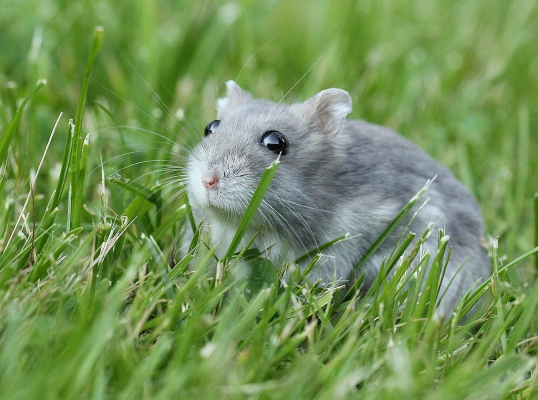
Tento mini hlodavec, původem ze stepí jižní a střední Sibiře, je po křečkovi zlatém tím nejchovanějším druhem křečka. Věděli jste, že samečci křečíka džungarského pomáhají samičkám při porodu a následně i s péčí o jejich mláďata?

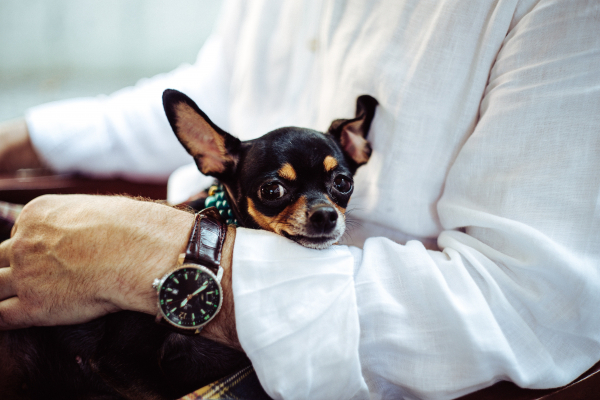
Pokud přemýšlíte, že si do rodiny adoptujete psího chlupáče, měli byste dobře zvážit, co život se psem obnáší. Velikost plemene hraje při rozhodování bezpochyby velmi důležitou roli. Jaké (ne)výhody přináší pořízení malého plemene?

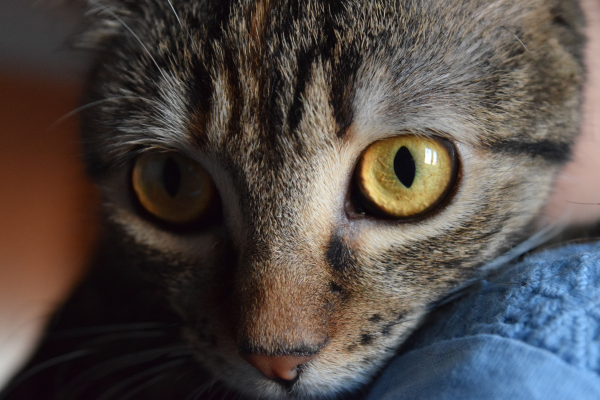
Vlastnosti jako barva a délka srsti nebo třeba stavba těla jsou podmíněné geneticky. Jestliže tedy znáte vlastnosti rodičů a prarodičů plánovaných koťat, lehce určíte i jejich přibližný vzhled.

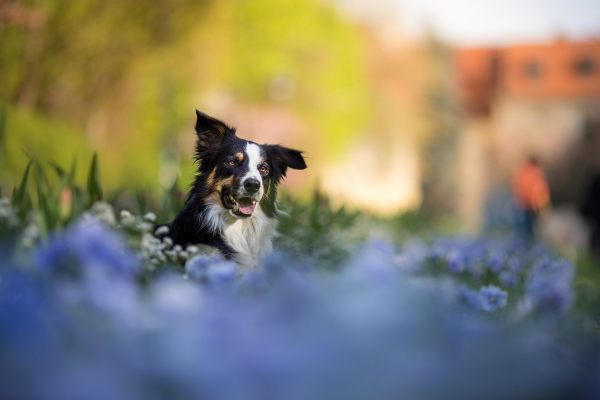
Zima je konečně pryč. Květiny a stromy začínají pomalu kvést a nastává období sluníčka a teplého počasí. Stejně jako pro člověka, tak i pro vašeho pejska nebo kočku začíná nové roční období, se kterým se musí vypořádat každý po svém.

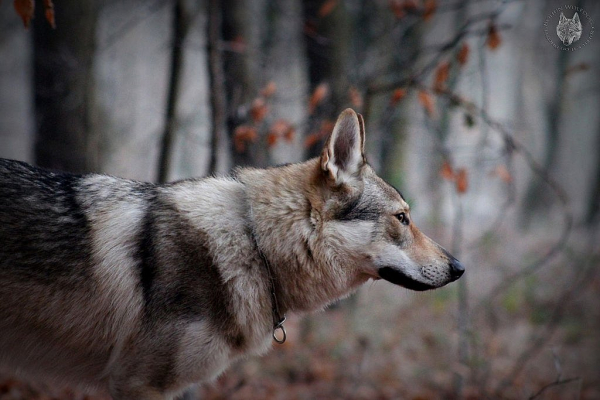
Vlk, který se ale daleko víc chová jako pes. Temperamentní, svérázný, neúnavný, zato oddaný svému pánovi až za hrob. Československý vlčák je vzhledem a povahou podobný vlkovi karpatskému, po německém ovčákovi zdědil hlavně pracovitost a oddanost...

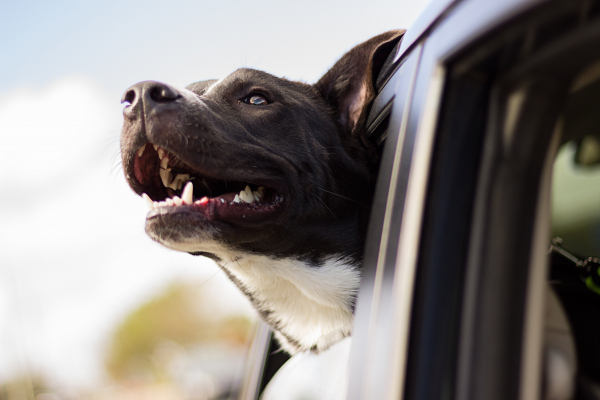
Život bez svého mazlíka si dokáže představit málokterý chovatel. Stejně tak si řada cestovatelů neumí představit život bez nových zahraničních dobrodružství. Co když máte možnost vyrazit na cestu kolem světa, ale zároveň už jste do rodiny přijali...