
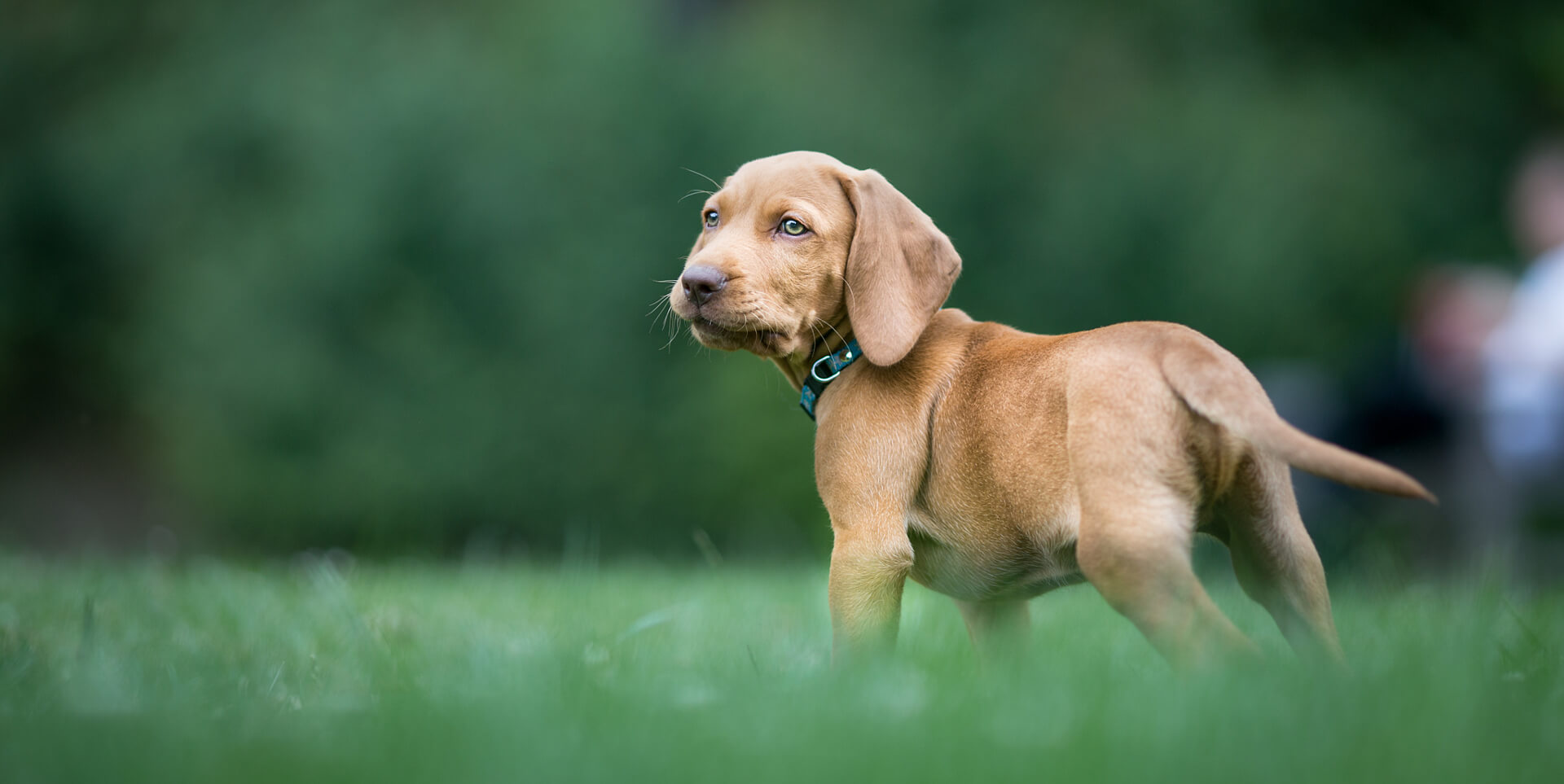
Jaký sport vybrat, kdy začít a jak trénovat?
Ať už chcete sport se svým psem provozovat rekreačně nebo vrcholově, je třeba se nejdřív zamyslet, jestli je pro něj vhodný. A to nejen z hlediska jeho povahy, ale také fyzických predispozic.
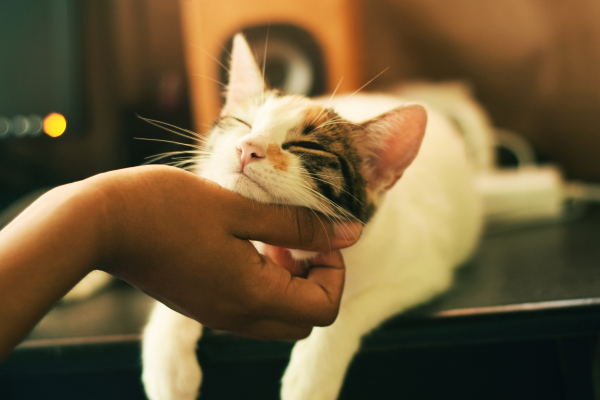
The whiskers on cats’ face are probably too noticeable to ignore them. But do you know all the places where cat’s whiskers with sense of touch are? And do you know how this comprehensive tactile body functions?
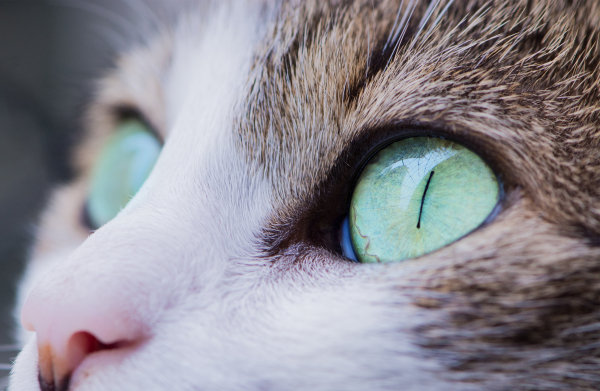
The sense of touch is one of the fundamental senses for cats. It is partially because of the fact that their vision is not very good. You have certainly noticed that cats are sensitive to touch or that they wince when something touches their whiskers. Some cats even don’t like to drink from a bowl when their whiskers touch it. There are many nerve cells and nerve endings in the skin on the entire body of the cat. The most of them are on the pad of their feet and around their muzzles. They also have tactile hair (whiskers) which are rooted as much as three times deeper in the skin than the rest of the hair. Moreover, they have large number of extremely sensitive nerve endings at their roots.
The roots of the individual tactile hair are stored in separate ligament bursas and have their own large arrector pili muscles. Let’s look closer to tactile hair which are also called sinus hair. You can find them on the upper lip, on the cheeks, the chin, above the eyes, in the armpits and on the lower side of the front paws. They are longer and thicker than the rest of the cat fur. They regularly fall out and get renewed the same way as the usual hair. But you shouldn’t cut them in any circumstances! When the cat loses some tactile hair in the natural process of renewal, it is okay. If you cut them, it becomes disoriented and it can start to crash into things and it will be rightfully restless.
You may have heard that the hair length corresponds to the widest part of the cat’s body and this helps to tell whether it can stretch into a hole. But scientists have never confirmed that. Also, the length of the cat’s hair depends on its breed. How do tactile hair work? The cat can perfectly orient in space and avoid the obstacles even in a dark environment not only thanks to its vision but thanks to its hair. It is based on observing the air flow. The tactile hair are so sensitive that they can sense the least noticeable movement. As the air flows around objects, the cat is capable of noticing the obstacles and avoiding them. Therefore, blindness is not such a big problem for cats and they can move in space quite well (at least horizontally) even without vision.
Moreover, there are four types of nerve endings in the roots of hair and when the hair touch the obstacle, the cat can sense the pressure, its direction, speed and duration. The cat is also able to sense the changes in the atmospheric pressure thanks to its tactile hair. The hair on cat’s face also reflect its mood. When they are upright, it is in a good mood and it lowers them to its cheeks for defence or when it is angry. When exploring a new object, it turns the hair forward. But it also uses its front paws when getting acquainted with new things. As you can see, it would be very difficult for cats without hair because they are an important part of their body.

Ať už chcete sport se svým psem provozovat rekreačně nebo vrcholově, je třeba se nejdřív zamyslet, jestli je pro něj vhodný. A to nejen z hlediska jeho povahy, ale také fyzických predispozic.

Vzteklina není v Česku běžná, ve světě ale představuje velké zdravotní riziko. Podle dostupných dat za loňský rok se situace příliš nezlepšila a některé případy nákazy zvířat tímto onemocněním se nedávno objevily i u nás. Co bychom jako majitelé...

Ochrana práv zvířat je celosvětovou záležitostí. Radost i bolest cítí zvířata všude na světě úplně stejně. Tak jako lidé jsou i ona chráněna nejrůznějšími zákony. Na jejich dodržování po celém světě dohlíží nestátní neziskové organizace a další...


Inovace se nevyhýbají ani trhu s chovatelskými potřebami. Stále se na něm objevují novinky ať už pro vaši a chlupáčovu zábavu, usnadnění péče nebo pro sledování či udržování kondice vašeho miláčka.

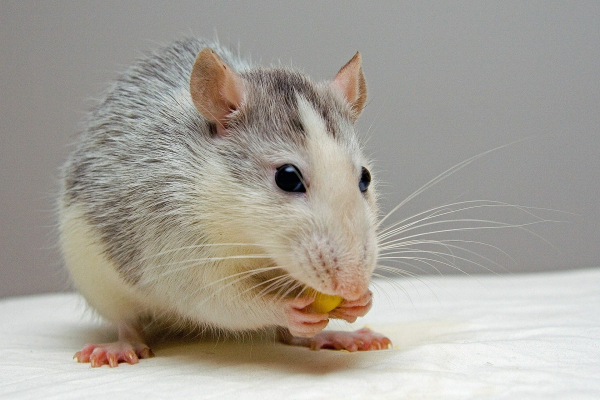
Zatímco v přírodě se jejich jídelníček řídí přirozenými instinkty a potřebami, v domácím prostředí hlodavci a jiná malá zvířata vyžadují pravidelný a vyvážený přísun potravy. Co patří a nepatří na jídelníček potkana a čemu by se naopak měl vyhnout?...

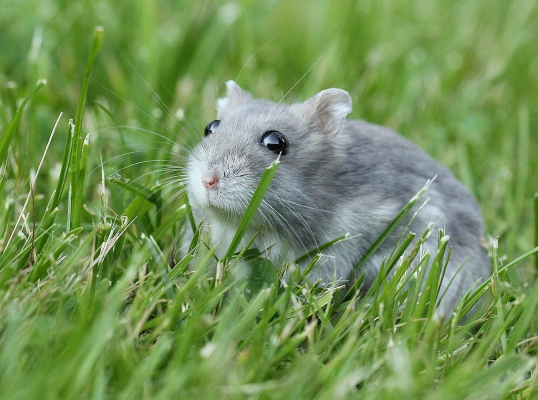
Tento mini hlodavec, původem ze stepí jižní a střední Sibiře, je po křečkovi zlatém tím nejchovanějším druhem křečka. Věděli jste, že samečci křečíka džungarského pomáhají samičkám při porodu a následně i s péčí o jejich mláďata?

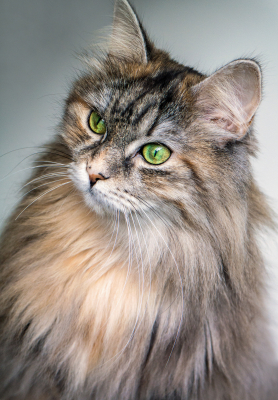
Mainská mývalí kočka je populární americké plemeno, a to nejen proto, že jde o největší domestikované kočičí plemeno vůbec. Oblibě se těší i díky své přizpůsobivosti a přátelské povaze. Typický je pro ni dlouhý límec a krásná hustá polodlouhá srst.

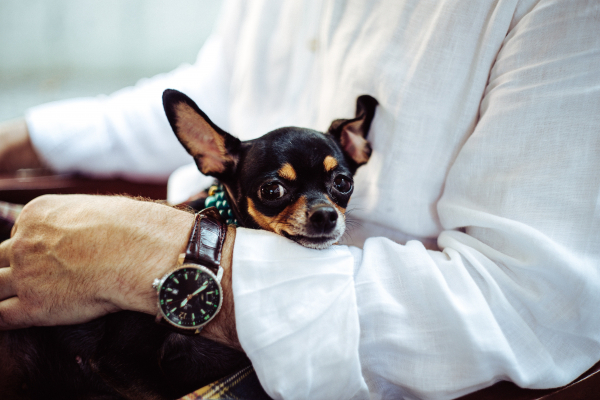
Pokud přemýšlíte, že si do rodiny adoptujete psího chlupáče, měli byste dobře zvážit, co život se psem obnáší. Velikost plemene hraje při rozhodování bezpochyby velmi důležitou roli. Jaké (ne)výhody přináší pořízení malého plemene?

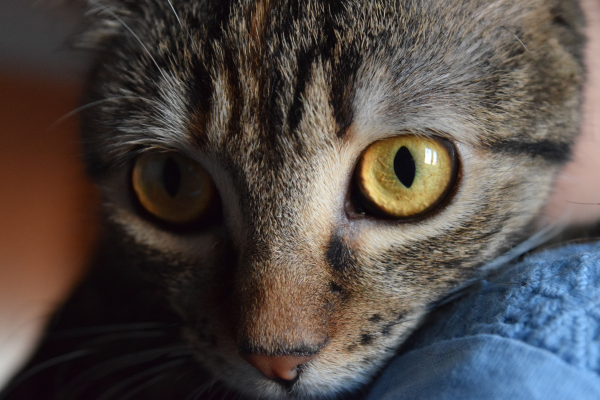
Vlastnosti jako barva a délka srsti nebo třeba stavba těla jsou podmíněné geneticky. Jestliže tedy znáte vlastnosti rodičů a prarodičů plánovaných koťat, lehce určíte i jejich přibližný vzhled.

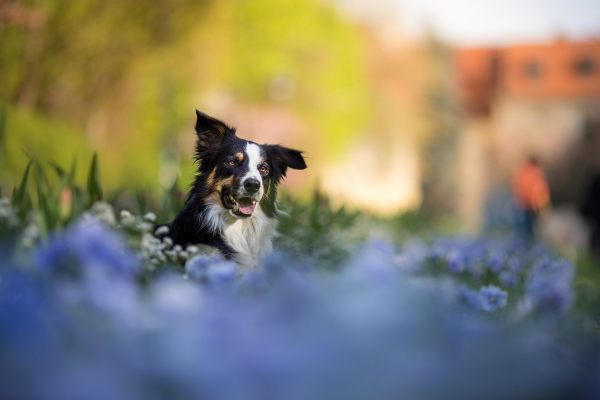
Zima je konečně pryč. Květiny a stromy začínají pomalu kvést a nastává období sluníčka a teplého počasí. Stejně jako pro člověka, tak i pro vašeho pejska nebo kočku začíná nové roční období, se kterým se musí vypořádat každý po svém.

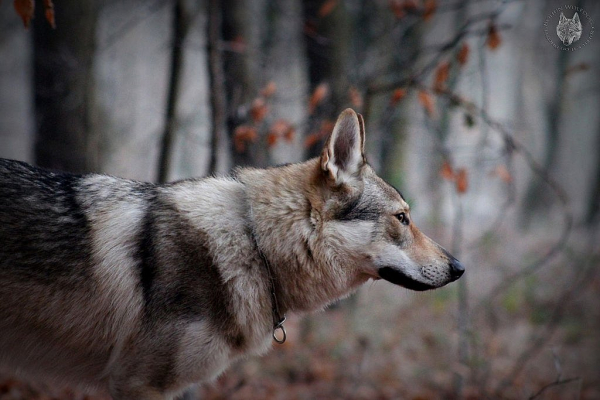
Vlk, který se ale daleko víc chová jako pes. Temperamentní, svérázný, neúnavný, zato oddaný svému pánovi až za hrob. Československý vlčák je vzhledem a povahou podobný vlkovi karpatskému, po německém ovčákovi zdědil hlavně pracovitost a oddanost...


Život bez svého mazlíka si dokáže představit málokterý chovatel. Stejně tak si řada cestovatelů neumí představit život bez nových zahraničních dobrodružství. Co když máte možnost vyrazit na cestu kolem světa, ale zároveň už jste do rodiny přijali...