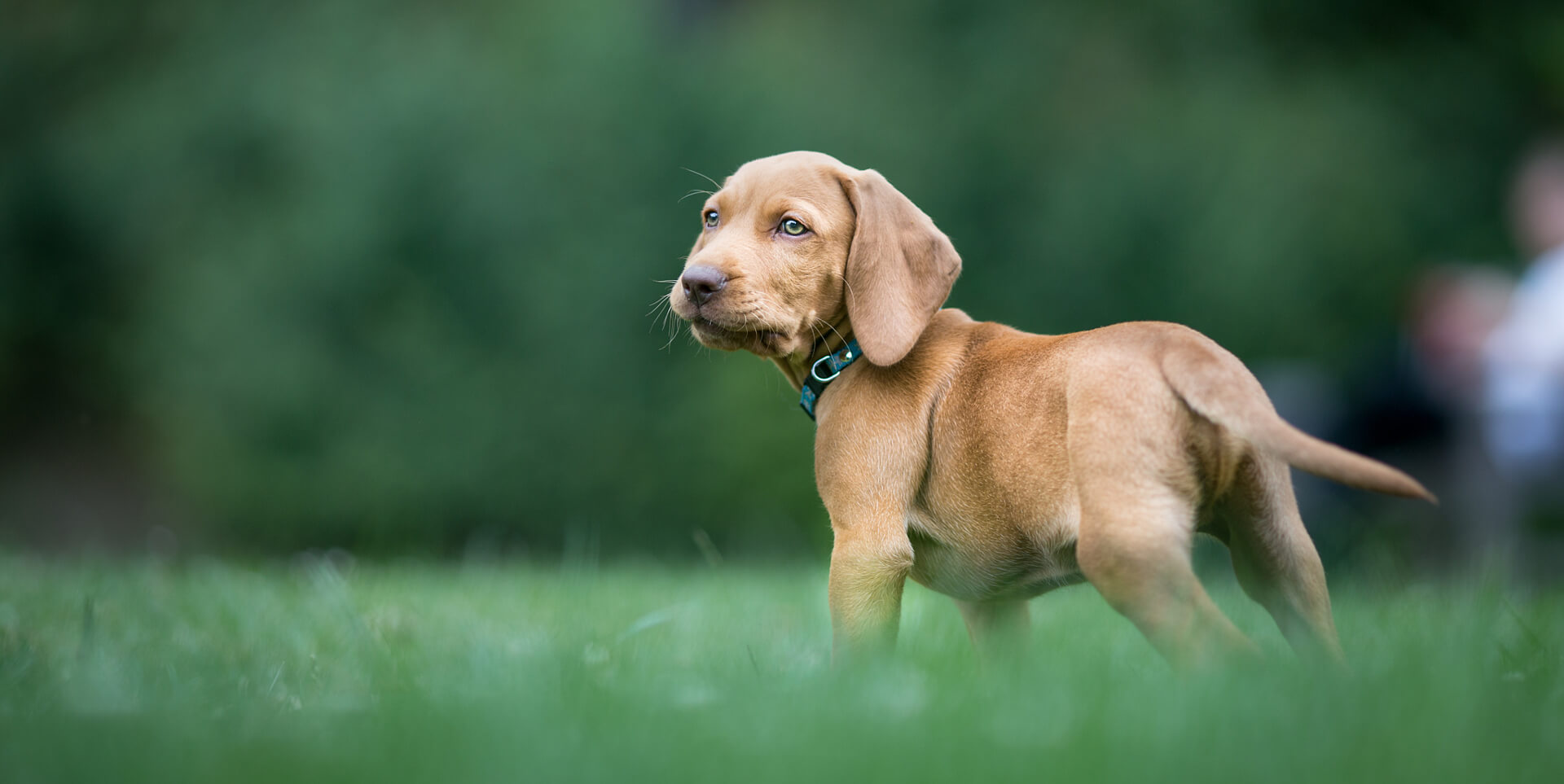
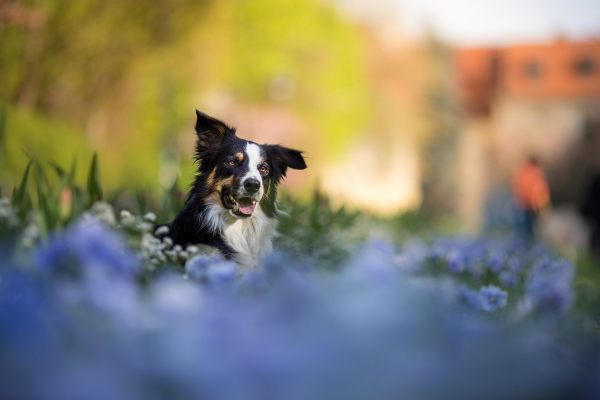
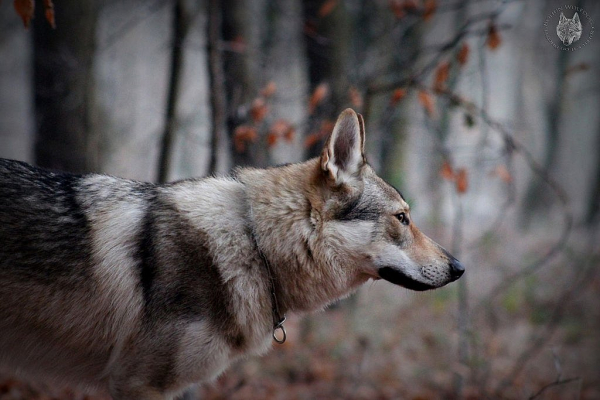
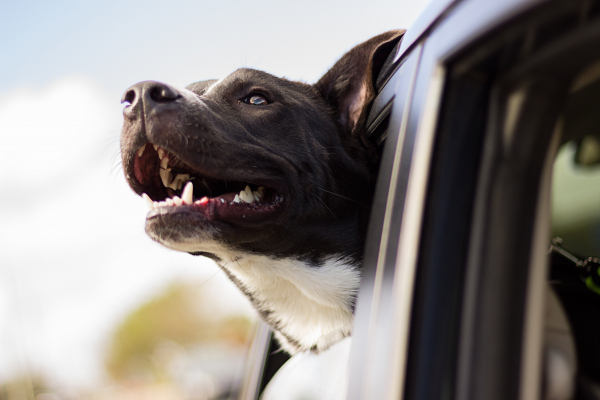
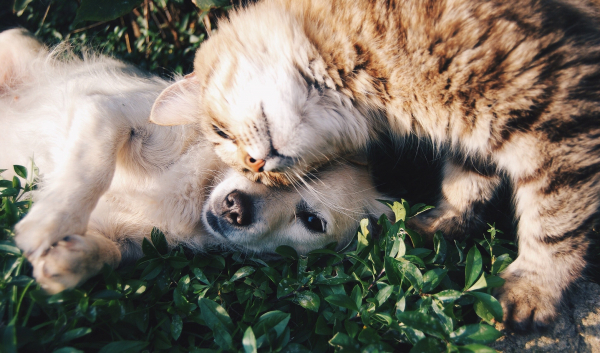
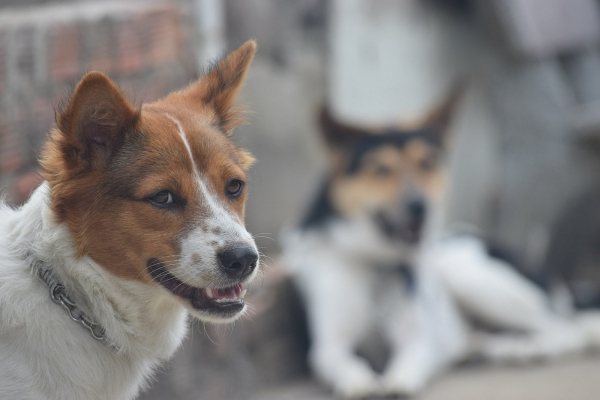
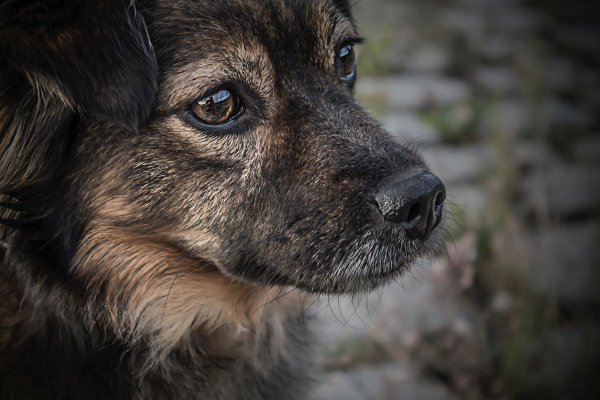
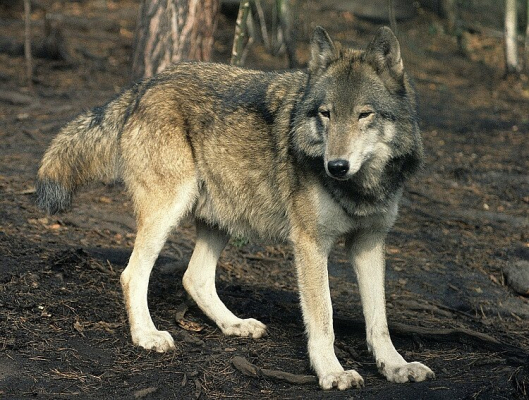
Even though the dogs went through long years of domestication, they still retain fundamental instincts as we do. They might not be as strong as in wild dogs, but they still play a very significant role in the life of a dog and in their behaviour. So if we have a dog companion at home, we should try to understand them, after all, it might explain some of the misunderstandings between the two of us.
Even though the dogs went through long years of domestication, they still retain fundamental instincts as we do. They might not be as strong as in wild dogs, but they still play a very significant role in the life of a dog and in their behaviour. So if we have a dog companion at home, we should try to understand them, after all, it might explain some of the misunderstandings between the two of us.
Instinctive intelligence is individual in each dog, every breed has certain instincts that are stronger than others. Some breed’s instincts command them to protect master’s property, others to tend sheep, search game or track. It had been exactly natural instincts that humans used for breeding when they would choose individuals with a strong instinct for breeding that was desirable for what was necessary. However, we can divide these fundamental dog instincts into the instinct of the pack, the hunting instinct and the protective instinct.
The instinct of the pack leads the dog to a sense of belonging with other dogs or with people. It is possibly the strongest and best well-preserved instinct in dogs. Thanks to this instinct, the dog has a strongly developed social sense. The hierarchy of the pack is fixed, every individual has a clearly determined place and task in every daily activity. The alpha male and the alpha female are the first ones to eat their fill, they determine the place of the hunt and maintain order within the pack. The need to be praised also stems from the pack instinct, since if often means a better menu or advance within the hierarchy. Dog needs an atmosphere of belonging, even if it’s us who are substituting for the pack, we should make it clear what is its place in the family. Dogs with a strong pack instinct don’t take well to being alone, they often bark or howl when they’re separated.
The protective instinct is a self-preservation instinct. Same as with us, people, it has two forms: fight or flight. Most of today’s dogs, regardless of the breed, has this instinct strongly preserved. The manifestation is flight distance, that is the distance from the danger that the dog is feeling. It is trying to keep this distance at all costs. The more scared the dog is, the greater the flight distance will be. If it is driven into a corner in such situation, an active or passive protective reaction will appear. In an active protective reaction, the dog tries to avoid danger in every possible way. It flinches, dodges, tries to run away. A passive protective reaction is a manifestation of a weak and immature individual. In that case, the dog hides behind its master, looks away, pulls down its tail under its abdomen, or presses against the ground or freezes in place. It may even wet itself. In very anxious and imbalanced dogs, pseudo-aggressive behaviour occurs, when the dog attacks due to fear.
The hunting instinct has probably been hit by domestication the most. Dog is limited in its hunting behaviour from a puppy - it must not hunt game or take notice of other domestic animals. Besides, the genetic base of this behaviour itself is hit by long-term breeding and the changes are then further fixed genetically. In some breeds, the hunting instinct is strongly suppressed, in others, where it is desirable, it is modified according to human needs. For example, exhibitions in hounds or baiting in greyhounds. You can notice a hint of the hunting instinct during retrieval or when they’re shaking a toy (this imitates shaking the prey to kill it). It is also used for defence training.
If we understand dog’s constitution, we will be able to work with it in the right way, to secure it a nice and full-fledged life and even our life together with it will be calm, pleasant and full of a sense of belonging. We will have the feeling, that we understand each other and our bond will be firm and full of love.
Zatímco v přírodě se jejich jídelníček řídí přirozenými instinkty a potřebami, v domácím prostředí hlodavci a jiná malá zvířata vyžadují pravidelný a vyvážený přísun potravy. Co patří a nepatří na jídelníček potkana a čemu by se naopak měl vyhnout?...
Mainská mývalí kočka je populární americké plemeno, a to nejen proto, že jde o největší domestikované kočičí plemeno vůbec. Oblibě se těší i díky své přizpůsobivosti a přátelské povaze. Typický je pro ni dlouhý límec a krásná hustá polodlouhá srst.
Tento mini hlodavec, původem ze stepí jižní a střední Sibiře, je po křečkovi zlatém tím nejchovanějším druhem křečka. Věděli jste, že samečci křečíka džungarského pomáhají samičkám při porodu a následně i s péčí o jejich mláďata?
Pokud přemýšlíte, že si do rodiny adoptujete psího chlupáče, měli byste dobře zvážit, co život se psem obnáší. Velikost plemene hraje při rozhodování bezpochyby velmi důležitou roli. Jaké (ne)výhody přináší pořízení malého plemene?
Vlastnosti jako barva a délka srsti nebo třeba stavba těla jsou podmíněné geneticky. Jestliže tedy znáte vlastnosti rodičů a prarodičů plánovaných koťat, lehce určíte i jejich přibližný vzhled.
Zima je konečně pryč. Květiny a stromy začínají pomalu kvést a nastává období sluníčka a teplého počasí. Stejně jako pro člověka, tak i pro vašeho pejska nebo kočku začíná nové roční období, se kterým se musí vypořádat každý po svém.
Vlk, který se ale daleko víc chová jako pes. Temperamentní, svérázný, neúnavný, zato oddaný svému pánovi až za hrob. Československý vlčák je vzhledem a povahou podobný vlkovi karpatskému, po německém ovčákovi zdědil hlavně pracovitost a oddanost...
Život bez svého mazlíka si dokáže představit málokterý chovatel. Stejně tak si řada cestovatelů neumí představit život bez nových zahraničních dobrodružství. Co když máte možnost vyrazit na cestu kolem světa, ale zároveň už jste do rodiny přijali...
Více než polovina obyvatel naší planety vlastní nějakého domácího mazlíčka. Nejvíce „mazlíčkofilů“ žije ve Spojených státech amerických, Jižní Americe a Rusku a nejméně naopak v Asii. V Evropě vedou kočky nad psy. V Latinské Americe preferují malé...
Při návštěvě některé z asijských zemí si nelze nevšimnout spousty volně se potulujících psů. Většina z nich je navíc ve zbídačeném stavu. Často jsou nemocní a nevrlí. Boj o přežití je pro ně každodenní záležitostí.Díky aktivitám a osvětě místních...
Občanský zákoník z roku 2014 zvýšil ochranu zvířat, když uznal, že smysly nadaní živí tvorové nejsou věci. Přesto stále slýcháme o kauzách týrání hospodářských i domácích zvířat. Co dělat, když se s týráním zvířecích mazlíků setkáte ve vašem okolí?
Ekologové odhadují, že v Česku dnes žije okolo pěti až šesti vlčích smeček. Na naše území se vlci začali vracet zhruba před třiceti roky. A přestože se počet smeček v posledních dvou letech téměř zdvojnásobil, mohou být čeští vlci opět v ohrožení.