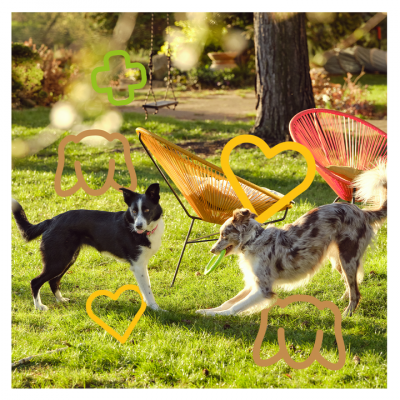
Even though the dogs went through long years of domestication, they still retain fundamental instincts as we do. They might not be as strong as in wild dogs, but they still play a very significant role in the life of a dog and in their behaviour. So if we have a dog companion at home, we should try to understand them, after all, it might explain some of the misunderstandings between the two of us.
Even though the dogs went through long years of domestication, they still retain fundamental instincts as we do. They might not be as strong as in wild dogs, but they still play a very significant role in the life of a dog and in their behaviour. So if we have a dog companion at home, we should try to understand them, after all, it might explain some of the misunderstandings between the two of us.
Instinctive intelligence is individual in each dog, every breed has certain instincts that are stronger than others. Some breed’s instincts command them to protect master’s property, others to tend sheep, search game or track. It had been exactly natural instincts that humans used for breeding when they would choose individuals with a strong instinct for breeding that was desirable for what was necessary. However, we can divide these fundamental dog instincts into the instinct of the pack, the hunting instinct and the protective instinct.
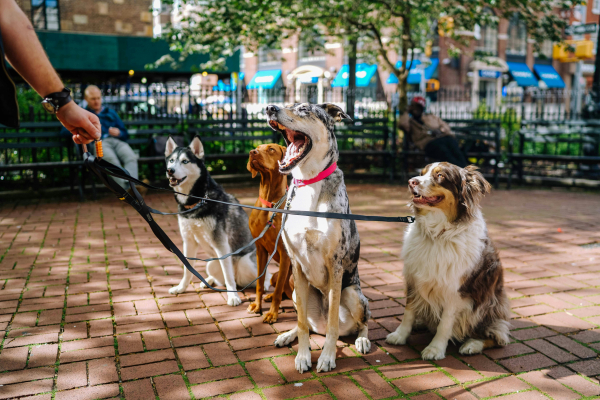
The instinct of the pack leads the dog to a sense of belonging with other dogs or with people. It is possibly the strongest and best well-preserved instinct in dogs. Thanks to this instinct, the dog has a strongly developed social sense. The hierarchy of the pack is fixed, every individual has a clearly determined place and task in every daily activity. The alpha male and the alpha female are the first ones to eat their fill, they determine the place of the hunt and maintain order within the pack. The need to be praised also stems from the pack instinct, since if often means a better menu or advance within the hierarchy. Dog needs an atmosphere of belonging, even if it’s us who are substituting for the pack, we should make it clear what is its place in the family. Dogs with a strong pack instinct don’t take well to being alone, they often bark or howl when they’re separated.
The protective instinct is a self-preservation instinct. Same as with us, people, it has two forms: fight or flight. Most of today’s dogs, regardless of the breed, has this instinct strongly preserved. The manifestation is flight distance, that is the distance from the danger that the dog is feeling. It is trying to keep this distance at all costs. The more scared the dog is, the greater the flight distance will be. If it is driven into a corner in such situation, an active or passive protective reaction will appear. In an active protective reaction, the dog tries to avoid danger in every possible way. It flinches, dodges, tries to run away. A passive protective reaction is a manifestation of a weak and immature individual. In that case, the dog hides behind its master, looks away, pulls down its tail under its abdomen, or presses against the ground or freezes in place. It may even wet itself. In very anxious and imbalanced dogs, pseudo-aggressive behaviour occurs, when the dog attacks due to fear.
The hunting instinct has probably been hit by domestication the most. Dog is limited in its hunting behaviour from a puppy - it must not hunt game or take notice of other domestic animals. Besides, the genetic base of this behaviour itself is hit by long-term breeding and the changes are then further fixed genetically. In some breeds, the hunting instinct is strongly suppressed, in others, where it is desirable, it is modified according to human needs. For example, exhibitions in hounds or baiting in greyhounds. You can notice a hint of the hunting instinct during retrieval or when they’re shaking a toy (this imitates shaking the prey to kill it). It is also used for defence training.
If we understand dog’s constitution, we will be able to work with it in the right way, to secure it a nice and full-fledged life and even our life together with it will be calm, pleasant and full of a sense of belonging. We will have the feeling, that we understand each other and our bond will be firm and full of love.
Onemocnění ledvin patří u koček mezi poměrně časté chronické zdravotní problémy, se kterými se potýkají zejména stárnoucí kočky. Přestože neexistuje žádná účinná léčba, příznaky lze úspěšně zmírňovat nasazením vhodné diety a léků. Správně nastavená...
Pes během svého života prochází určitým vývojem. Každá z jeho životních fází má svá specifika, která se projevují ve změnách chování nebo i rozdílnými nároky na péči. Pro mnohé majitele psů je puberta jedním z nejnáročnějších období, kdy mají zejména...
Útěky psa představují pro mnoho majitelů stresující problém. Přestože jsou psi teritoriální zvířata, někteří rádi objevují svět a žádný plot pro ně není dost vysoký. Ať už psa motivuje nuda, strach, nebo lovecké pudy, útěk pro psa představuje velké...
Kočky patří mezi nejčastější domácí mazlíčky a v mnoha rodinách jsou právoplatnými členy. I přesto je toho stále spousta, co o nich nevíme. V tomto článku se zaměříme na čtyři méně známá fakta o kočkách, která vám mohou pomoci lépe porozumět jejich...
S příchodem jara se příroda probouzí k životu – spolu s ní však začínají být aktivnější také klíšťata. Tito parazité nemusí způsobovat jen nepříjemné svědění, jsou i přenašeči nebezpečných onemocnění. Správná ochrana je proto na jaře zásadní nejen...
Každý chovatel koček stojí před dilematem, jak kočku správně krmit a jaké krmivo je pro ni nejvhodnější. Strava je totiž klíčová pro zdravý a spokojený život domácích zvířat. Při výběru vhodného krmiva je proto potřeba brát v potaz mnoho faktorů,...
Soužití člověka se zvířaty sahá do daleké minulosti a vzájemný vztah je tak hluboce zakořeněný a přináší řadu benefitů – ať už fyzických, nebo psychických. Chov domácích mazlíčků je velká zodpovědnost, ale zároveň přináší každodenní radost, společné...
Zdravé trávení je základem celkového zdraví každého psa. Trávení není jen o zpracování potravy, zdraví střev ovlivňuje také imunitu, množství energie a celkovou psychickou pohodu psů. Zažívací problémy jsou ale zároveň jedním z nejčastějších...
Alergie se nevyhýbají ani kočkám. Naopak, alergie u koček jsou poměrně častou zdravotní komplikací. Příznaky ale mohou být nenápadné, snadno zaměnitelné s jinými potížemi. Neléčená alergie ale může dlouhodobě zhoršovat kvalitu života vaší kočky a...
Se separační úzkostí se setkává řada majitelů psů. Projevuje se velkým stresem psa při odloučení od svého pána. Separační úzkost může vést k destruktivnímu chování a hlasitému štěkání. Velká míra stresu, kterou pes zažívá, nezhoršuje jen sousedské...
Strava hraje v udržení zdraví a vitality koček zásadní roli. Je zdrojem energie, vitamínů a živin potřebných pro dlouhý a spokojený život. Kvalitní a správně zvolené složení stravy zároveň funguje jako prevence různých zdravotních problémů. Potřeby...
Zimní období představuje pro psí organismus zvýšenou zátěž – dochází ke hromadění toxinů, zatížení imunitního systému v důsledku chladného a vlhkého počasí, omezené pohybové aktivity i teplotních výkyvů. Jaro je proto ideální čas pro nastartování...