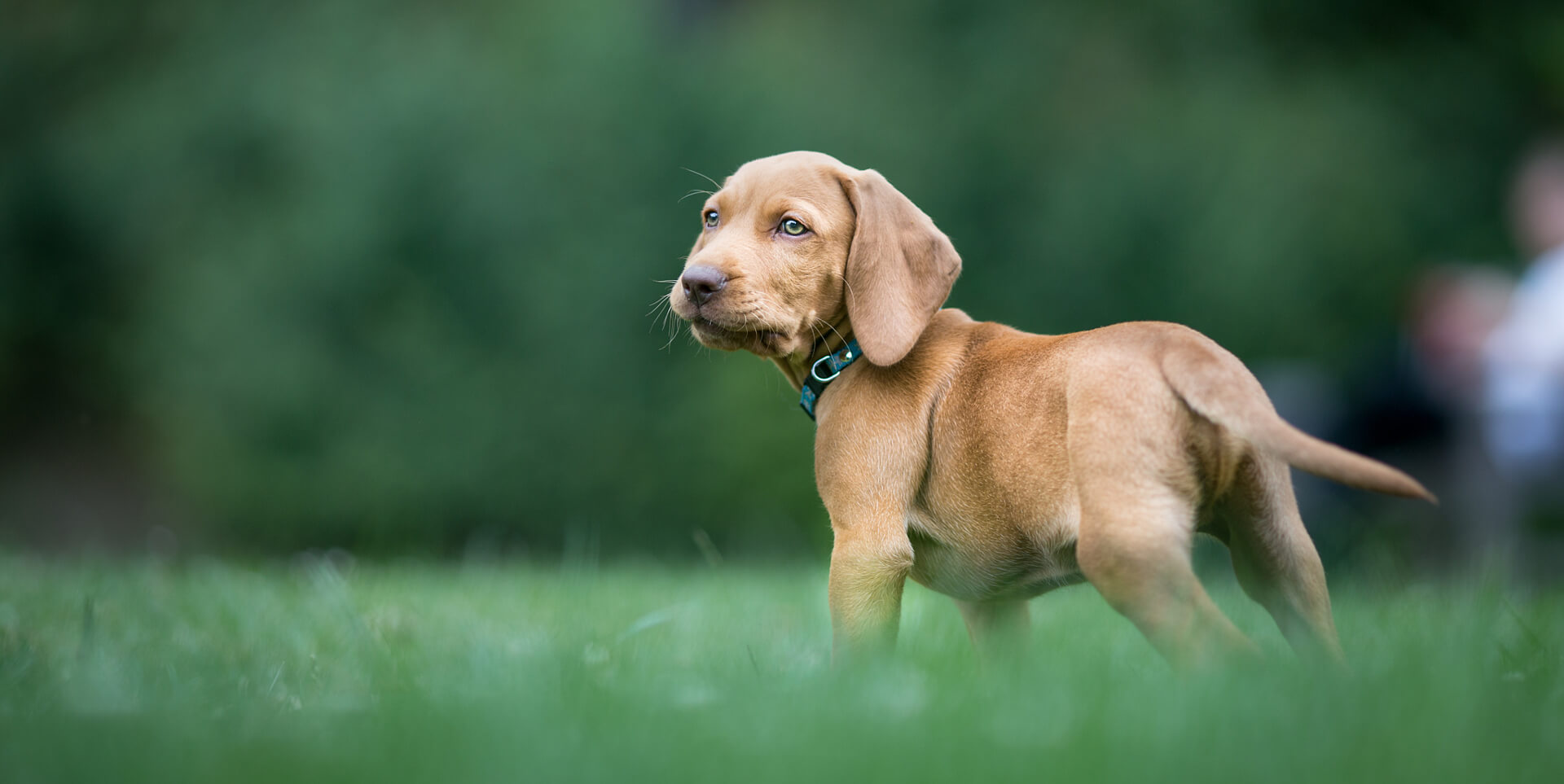
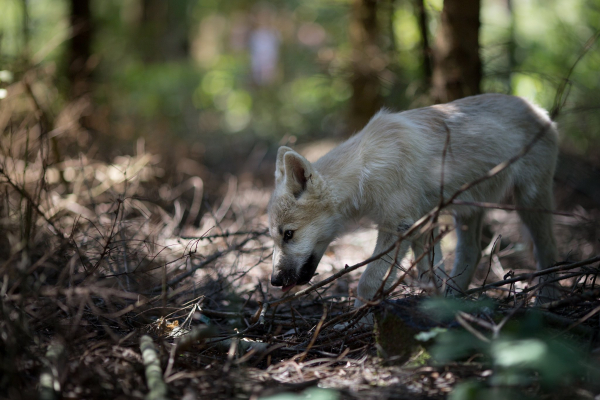
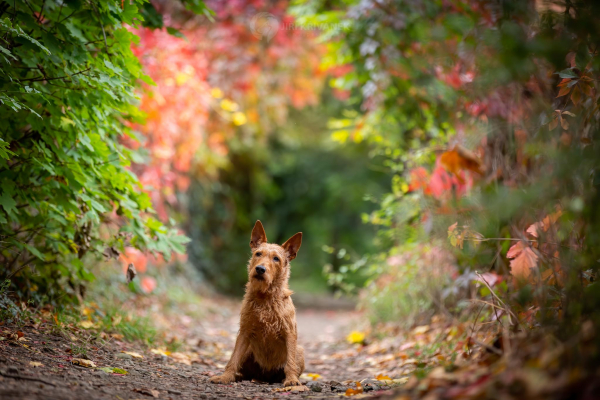
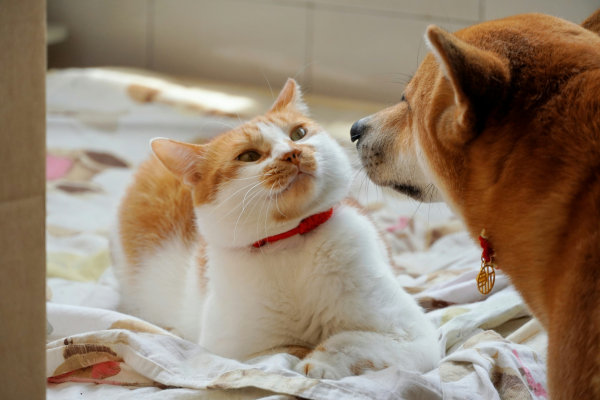
Even though the dogs went through long years of domestication, they still retain fundamental instincts as we do. They might not be as strong as in wild dogs, but they still play a very significant role in the life of a dog and in their behaviour. So if we have a dog companion at home, we should try to understand them, after all, it might explain some of the misunderstandings between the two of us.
Even though the dogs went through long years of domestication, they still retain fundamental instincts as we do. They might not be as strong as in wild dogs, but they still play a very significant role in the life of a dog and in their behaviour. So if we have a dog companion at home, we should try to understand them, after all, it might explain some of the misunderstandings between the two of us.
Instinctive intelligence is individual in each dog, every breed has certain instincts that are stronger than others. Some breed’s instincts command them to protect master’s property, others to tend sheep, search game or track. It had been exactly natural instincts that humans used for breeding when they would choose individuals with a strong instinct for breeding that was desirable for what was necessary. However, we can divide these fundamental dog instincts into the instinct of the pack, the hunting instinct and the protective instinct.
The instinct of the pack leads the dog to a sense of belonging with other dogs or with people. It is possibly the strongest and best well-preserved instinct in dogs. Thanks to this instinct, the dog has a strongly developed social sense. The hierarchy of the pack is fixed, every individual has a clearly determined place and task in every daily activity. The alpha male and the alpha female are the first ones to eat their fill, they determine the place of the hunt and maintain order within the pack. The need to be praised also stems from the pack instinct, since if often means a better menu or advance within the hierarchy. Dog needs an atmosphere of belonging, even if it’s us who are substituting for the pack, we should make it clear what is its place in the family. Dogs with a strong pack instinct don’t take well to being alone, they often bark or howl when they’re separated.
The protective instinct is a self-preservation instinct. Same as with us, people, it has two forms: fight or flight. Most of today’s dogs, regardless of the breed, has this instinct strongly preserved. The manifestation is flight distance, that is the distance from the danger that the dog is feeling. It is trying to keep this distance at all costs. The more scared the dog is, the greater the flight distance will be. If it is driven into a corner in such situation, an active or passive protective reaction will appear. In an active protective reaction, the dog tries to avoid danger in every possible way. It flinches, dodges, tries to run away. A passive protective reaction is a manifestation of a weak and immature individual. In that case, the dog hides behind its master, looks away, pulls down its tail under its abdomen, or presses against the ground or freezes in place. It may even wet itself. In very anxious and imbalanced dogs, pseudo-aggressive behaviour occurs, when the dog attacks due to fear.
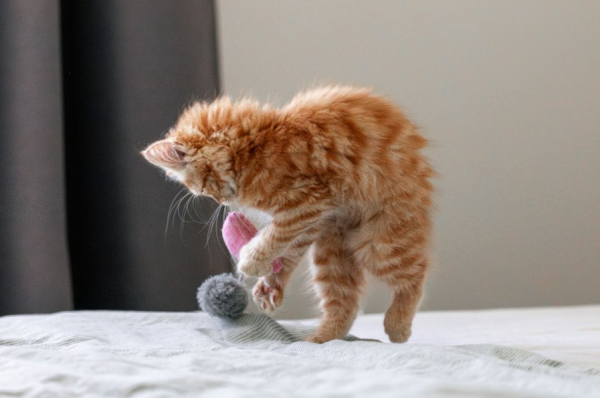
The hunting instinct has probably been hit by domestication the most. Dog is limited in its hunting behaviour from a puppy - it must not hunt game or take notice of other domestic animals. Besides, the genetic base of this behaviour itself is hit by long-term breeding and the changes are then further fixed genetically. In some breeds, the hunting instinct is strongly suppressed, in others, where it is desirable, it is modified according to human needs. For example, exhibitions in hounds or baiting in greyhounds. You can notice a hint of the hunting instinct during retrieval or when they’re shaking a toy (this imitates shaking the prey to kill it). It is also used for defence training.
If we understand dog’s constitution, we will be able to work with it in the right way, to secure it a nice and full-fledged life and even our life together with it will be calm, pleasant and full of a sense of belonging. We will have the feeling, that we understand each other and our bond will be firm and full of love.
Zima bývá pro zvířata obdobím, kdy se mění nejen jejich denní režim, ale i potřeby spojené s hygienou. Nižší teploty, vlhko, sůl na chodnících, suchý vzduch v interiéru i omezený pobyt venku mají přímý vliv na srst, pokožku, tlapky i celkovou pohodu...
Vánoce jsou obdobím radosti, očekávání a společně prožitých chvil. A právě proto má většina z nás potřebu zahrnout do svátků i své zvířecí společníky. Pamlsek pod stromečkem, nová hračka nebo teplý pelíšek jsou milé drobnosti, kterými jim můžeme...
Zima je obdobím klidu a zpomalení, a to nejen pro lidi. Stejnou potřebu mají i zvířata. Psi i kočky si v chladných měsících rádi dopřávají více spánku a odpočinku, často se stáhnou do tepla domova a jejich chuť k pohybu i hře se může zdát menší....
Zima je pro starší psy a kočky náročnější než pro jejich mladší parťáky. Chlad, vlhko a méně pohybu mohou zhoršit bolesti kloubů, oslabit imunitu nebo ovlivnit trávení. Navíc se s přibývajícím věkem zvířata hůře přizpůsobují změnám teploty a rychleji...
Podzim a zima bývají pro spoustu psů náročnější období. Kratší dny, déšť, mlha a chlad nevybízí k dlouhým procházkám, právě naopak. I jindy aktivní psi se často schoulí raději do pelíšku a tváří se, že ven se přece nikomu nechce. Jenže pohyb je...
Podzim bývá obdobím, kdy se zpomaluje nejen příroda, ale i naše tělo. Stejně tak i psi a kočky po aktivních měsících vítají klidnější rytmus, více odpočinku a výživnější stravu. Právě v této době má smysl podpořit jejich organismus jemnou očistou,...
Podzim přináší nejen krásně zbarvené listí a voňavý vzduch, ale také kratší dny, méně pohybu a delší chvíle doma. A zatímco my lidé si zapálíme svíčku, uvaříme čaj a čteme knihu nebo si zapneme televizi, naše zvířata mohou podzimní období vnímat...
S příchodem podzimu se mění nejen počasí, ale i životní rytmus našich zvířat. Dny se zkracují, venkovních aktivit ubývá a společně s větší chutí k jídlu se snadno může stát, že pes nebo kočka začne nabírat kila navíc. Mnoho majitelů si této změny...
Podzim je krásné období plné barev a procházek v přírodě. Zároveň ale představuje pro psy i kočky řadu výzev, které mohou ovlivnit jejich zdraví a pohodu. Vlhké počasí, spadané listí, pylové částice i paraziti – to všechno může zatížit organismus a...
Když vybíráme krmivo pro svého psa, nejde jen o to, co mu chutná. Stejně důležité je, aby každá miska podporovala zdraví, vitalitu, a tím pádem dlouhý spokojený život. Řada Brit Fresh vznikla právě s touto myšlenkou. Jejím cílem je nabídnout...
Podzim je obdobím přechodu. Po teplých dnech přichází chlad, vlhko a kratší dny, což představuje zátěž nejen pro nás, ale i pro naše zvířecí společníky. Organismus psa i kočky se začíná připravovat na zimu, kdy musí čelit nízkým teplotám i zvýšenému...
Podzim je časem klidu a zpomalování. Příroda se halí do tlumených barev, dny se krátí a světla ubývá. Tyto změny nevnímají jen lidé, ale i zvířata. Možná jste si všimli, že váš pes tráví více času v pelíšku, procházky, které mu dřív dělaly radost,...