Tips for surviving and enjoying geocaching with a dog
Summer fun begins now. And I can’t imagine a summer without our activities together with my dog. What about you? Plan where you and your doggie could spend time before the temperatures are scorching and not a single branch moves on trees and we all will be hiding in shadows. You will enjoy this sunny season much more then. Besides going swimming you can also try geocaching. Your dog has enough exercise and it’s also fun. Personally approved!
Summer fun begins now. And I can’t imagine a summer without our activities together with my dog. What about you? Plan where you and your doggie could spend time before the temperatures are scorching and not a single branch moves on trees and we all will be hiding in shadows. You will enjoy this sunny season much more then. Besides going swimming you can also try geocaching. Your dog has enough exercise and it’s also fun. Personally approved!
I already described what geocaching is in one of my previous articles. This time, I provide several tips how to enjoy treasure hunting (geocaching is sometimes called that) and how to get back home safe :). As well as other sports with a dog, geocaching has its advantages and disadvantages as well. In the first place, it is important how much energy your dog has in summer and what is its overall condition. If scorching weather is really too much for it or you didn’t do much exercise in winter and spring, start slowly, e.g. with trips in your close vicinity. Save a trip to Sněžka for the end of summer when your dog’s condition will get better.
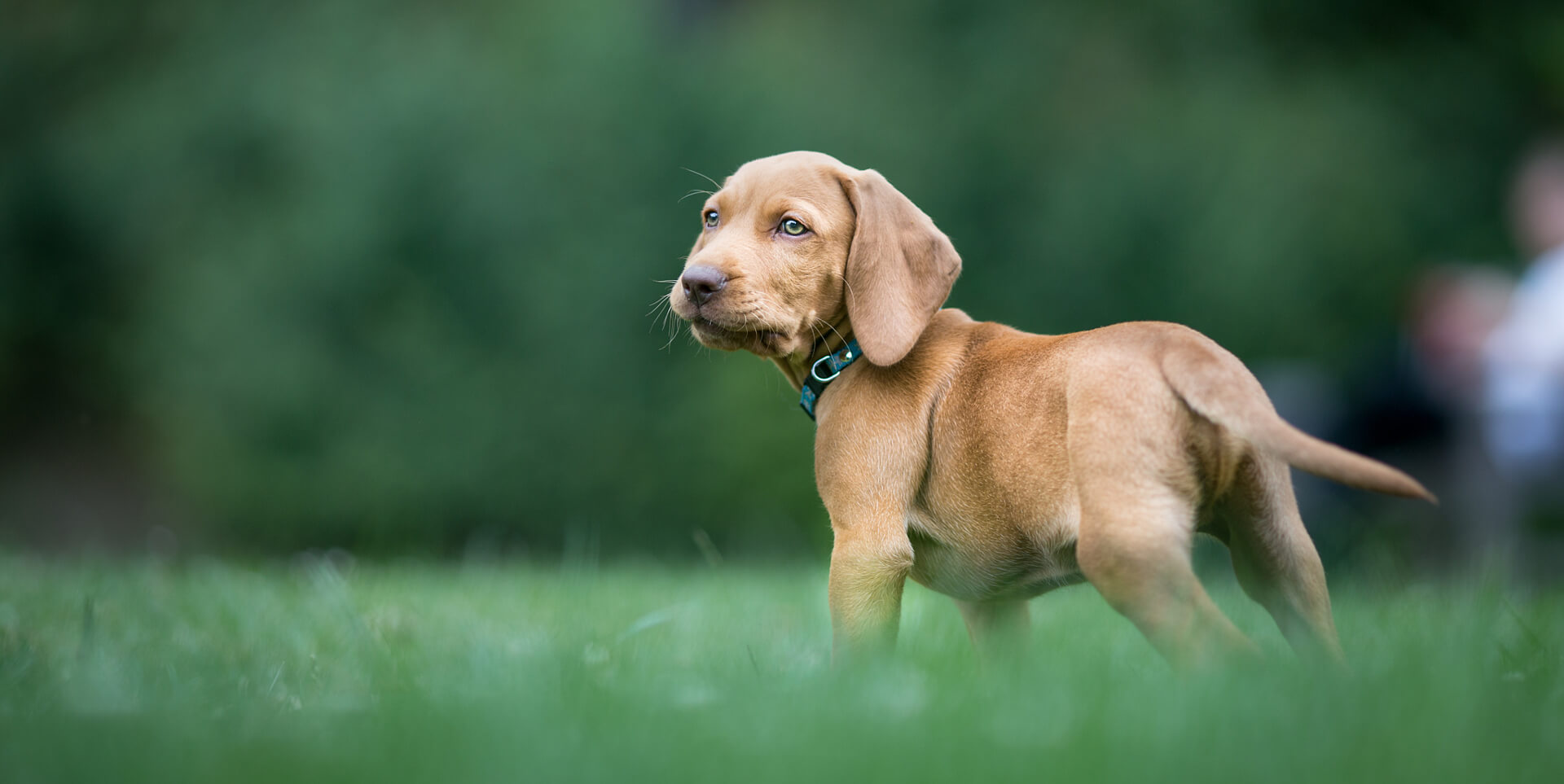
A great thing about geocaching with your dog is the fact that dogs are experts in finding hidden objects. Their smell is excellent. Of course, when they are not trained you cannot expect them to find treasures for you but your dog will enjoy this adventurous activity for sure as it won’t resemble your usual walks but you’ll step aside routes, circle around trees, climb downhill and search at river banks. The biggest advantage as well as a reward for several found treasures is a tired and happy dog in the evening.
Another benefit of geocaching with your dog is socializing. You should introduce your dog to as many stimuli as possible from the time it is a small puppy. Yes, not only to other dogs and people in your surroundings but to show it as many different noises and environments as possible. And geocaching can be great means to an end. And a source of ideas for trips.
What to beware of? Firstly, always think about your own and your dog’s safety. If you would like to go to a place which could not be safe for your pet, rather leave it at home this time. Although dog paws are very resilient and can stand almost any terrain, you won’t do anything wrong if you’ll take dog shoes with you. Because it is very common that during treasure hunting, you’ll change the surface on which you hunt several times within a single day. With shoes on your buddy’s paws, you can be sure that they won’t be too strained.
Also, don’t forget to bring enough food and especially drinking water! Geocaching, even though it might not seem so from the first impression, can be quite demanding. And your dog can get tired more quickly due to the excitement. Also remember to rest regularly, especially if you are on a direct sunlight for a longer period of time. Find your dog a resting spot in the shadow every now and then. Never overestimate the physical limits of your dog. If it seems tired, you should rather stop hunting. Not only that excessive burden could hurt it but it could also make it see the whole activity negatively next time. So, the dog first, then comes the hunting :).
And a piece of interesting information in the end. As well as you can get yourself a T-shirt with a geocode, you can also get your dog a special traceable tag. Other geocachers can bump into it using GPS coordinates and you can meet other dog keepers or at least people with the same adventurous and excited nature as you and your dog have.
Zatímco v přírodě se jejich jídelníček řídí přirozenými instinkty a potřebami, v domácím prostředí hlodavci a jiná malá zvířata vyžadují pravidelný a vyvážený přísun potravy. Co patří a nepatří na jídelníček potkana a čemu by se naopak měl vyhnout?...
Mainská mývalí kočka je populární americké plemeno, a to nejen proto, že jde o největší domestikované kočičí plemeno vůbec. Oblibě se těší i díky své přizpůsobivosti a přátelské povaze. Typický je pro ni dlouhý límec a krásná hustá polodlouhá srst.
Tento mini hlodavec, původem ze stepí jižní a střední Sibiře, je po křečkovi zlatém tím nejchovanějším druhem křečka. Věděli jste, že samečci křečíka džungarského pomáhají samičkám při porodu a následně i s péčí o jejich mláďata?
Pokud přemýšlíte, že si do rodiny adoptujete psího chlupáče, měli byste dobře zvážit, co život se psem obnáší. Velikost plemene hraje při rozhodování bezpochyby velmi důležitou roli. Jaké (ne)výhody přináší pořízení malého plemene?
Vlastnosti jako barva a délka srsti nebo třeba stavba těla jsou podmíněné geneticky. Jestliže tedy znáte vlastnosti rodičů a prarodičů plánovaných koťat, lehce určíte i jejich přibližný vzhled.
Zima je konečně pryč. Květiny a stromy začínají pomalu kvést a nastává období sluníčka a teplého počasí. Stejně jako pro člověka, tak i pro vašeho pejska nebo kočku začíná nové roční období, se kterým se musí vypořádat každý po svém.
Vlk, který se ale daleko víc chová jako pes. Temperamentní, svérázný, neúnavný, zato oddaný svému pánovi až za hrob. Československý vlčák je vzhledem a povahou podobný vlkovi karpatskému, po německém ovčákovi zdědil hlavně pracovitost a oddanost...
Život bez svého mazlíka si dokáže představit málokterý chovatel. Stejně tak si řada cestovatelů neumí představit život bez nových zahraničních dobrodružství. Co když máte možnost vyrazit na cestu kolem světa, ale zároveň už jste do rodiny přijali...
Více než polovina obyvatel naší planety vlastní nějakého domácího mazlíčka. Nejvíce „mazlíčkofilů“ žije ve Spojených státech amerických, Jižní Americe a Rusku a nejméně naopak v Asii. V Evropě vedou kočky nad psy. V Latinské Americe preferují malé...
Při návštěvě některé z asijských zemí si nelze nevšimnout spousty volně se potulujících psů. Většina z nich je navíc ve zbídačeném stavu. Často jsou nemocní a nevrlí. Boj o přežití je pro ně každodenní záležitostí.Díky aktivitám a osvětě místních...
Občanský zákoník z roku 2014 zvýšil ochranu zvířat, když uznal, že smysly nadaní živí tvorové nejsou věci. Přesto stále slýcháme o kauzách týrání hospodářských i domácích zvířat. Co dělat, když se s týráním zvířecích mazlíků setkáte ve vašem okolí?
Ekologové odhadují, že v Česku dnes žije okolo pěti až šesti vlčích smeček. Na naše území se vlci začali vracet zhruba před třiceti roky. A přestože se počet smeček v posledních dvou letech téměř zdvojnásobil, mohou být čeští vlci opět v ohrožení.