
Jak rozumět obsahu živin
V návaznosti na články Jak rozumět etiketě krmiv a Jak se vyznat v surovinách použitých v krmivu vám tentokrát stručně přiblížím požadavky kladené na uvádění živin obsažených v krmivu.
If you've noticed that your fluffy friend excessively licks and nibbles at his paws, you should not leave it like that. It might have several causes. Whether it's a psychological problem, allergy, yeast or other problem, the situation must be addressed.
Recently, I’ve noticed that my dog often licks its paws and sometimes, he nibbles at them for so long that his fingers are all red and irritated. So, I started to search for the cause and was surprised how many different reasons the nibbling of paws can have.
If your dog licks or nibbles on his paws sporadically and not regularly, it's fine. Since this activity increase his production of endorphins, so in other words, this gives him a feeling of pleasure. However, this activity might turn into a bad habit or even obsessive compulsive behaviour. It becomes a vicious circle for the fluffy guy. First, he will irritate the paws by excessive licking. They then start to itch, which makes him lick and bite them even more and this causes even more irritation. Wet spaces between the fingers then become an ideal environment for yeast or other bacterial disease or fungi.
When determining the cause, you should at first thoroughly examine the dog’s paws and exclude stuck thorns, thistles and other foreign objects as well as cut or similar wounds. If you don't find anything, rather visit the vet. They will test a skin sample or treat an infection or prescribes antibiotics. I can also recommend you a product with an anti-itching effect. It definitely won’t hurt either, if you bathe the dog in a disinfection shampoo.
One of the causes of itchiness of the paws may therefore be yeast, which thrives in the damp spaces between the fingers. So, after every walk in the rain or wet, it’s better to wipe the dog’s paws. If your fluffy friend has dense tufts of hair in between the fingers, rather dry them even in the summer after bathing, so that his paws won’t get damp. You can identify yeast according to a reddish and festering space between the fingers or red-and-black secretion that may colour also the hair of the paws.
The dog may have itchy paws also due to an allergy. You can therefore try to change his diet, to replace it with a hypoallergenic grain-free variant. Fortunately, this worked for us and after we started using hypoallergenic granules, the biting of the paws stopped. However, it doesn’t always have to be a food allergy. Then it’s necessary to perform tests for allergens or try to exclude possible causes like detergents, dust, pollens, mites and the like.
A hormonal disease may be responsible for itchy paws, such as reduced function of the thyroid gland, autoimmune skin disease, inflammation of the nail bed, parasitic diseases or fungi. However, the true cause can be identified only by a veterinarian.
Biting and licking of the paws, however, may not be caused only by itchiness. The reason for it may be also psychological discomfort of the dog such as stress, boredom or separation anxiety.
Whether it's any cause, it always applies that you should prevent the dog from licking and nibbling on its paws as soon as you find out about it. When you caught him doing it, try to distract him with a game, for instance. Shouting at him won’t probably help much. On the contrary, putting on a protective shield or shoes can be effective. I personally do not recommend shoes too much, because the paws can’t adequately breathe in them. For me personally, the best thing to do when finding about irritation is to visit a veterinarian and at least to consult the condition with them. This way, you can considerably shorten the search for the cause and relieve the dog from the issue earlier.
Have you also had trouble with paws biting of your fluffy friend? And did you manage to successfully resolve it?

V návaznosti na články Jak rozumět etiketě krmiv a Jak se vyznat v surovinách použitých v krmivu vám tentokrát stručně přiblížím požadavky kladené na uvádění živin obsažených v krmivu.

Před časem jsem pro vás napsala článek o tom, že lovecký výcvik není nutně jen záležitostí myslivců, pak jsem se za vás zeptala Ireny Schneiderové, jaké to je být lovec začátečník, a teď přišel čas vyzpovídat skutečnou profesionálku – Silvii...


Antibiotika si rozhodně zaslouží naši vděčnost, ovšem pozor – všeho moc škodí. Měla by se užívat pouze s rozumem, v opodstatněných případech a správným způsobem. To ale neznamená, že byste se jich měli obávat. Jen je dobré vědět o nich něco víc....

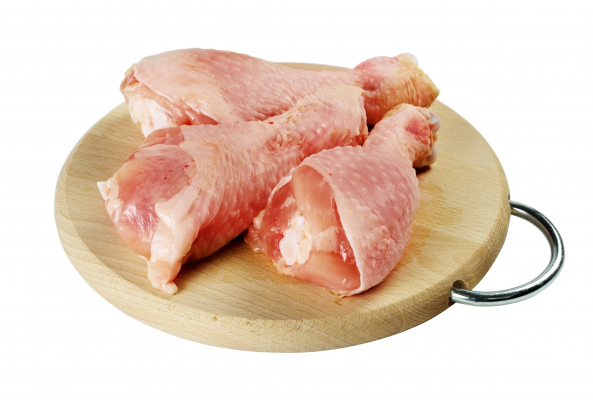
Posoudit kvalitu krmiva pouze ze seznamu surovin není pro běžného chovatele snadné. Chce to nejen rozumět názvům konkrétních surovin a pochopit, co přesně tyto názvy znamenají, ale současně být schopný odhalit i občasné drobné „triky“ některých výrobců.

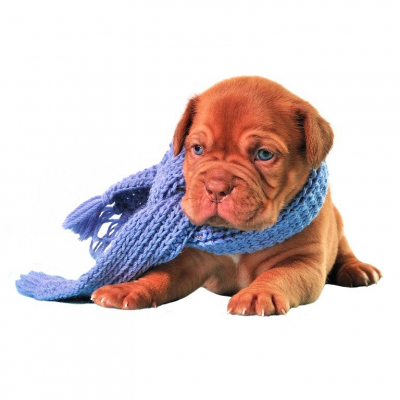
V podzimních měsících stejně jako nás i psy trápí různá infekční onemocnění způsobující kašel. Tyto infekce mají mezi chovateli spoustu názvů, mezi nimi je i psí chřipka, ale ve skutečnosti se přímo o chřipku nikdy nejedná. Pro příznaky uvedené níže v...

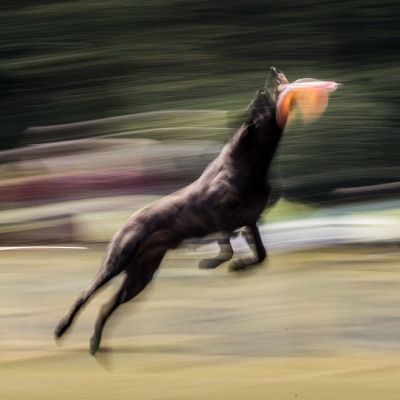
Kdy dělají psi nejvtipnější obličeje? Většinou když běží, že ;) A protože snad každý má rád vtipné fotky svého psa, podíváme se dnes na tuto „disciplínu“ zblízka s fotografem Lukášem Skalickým.

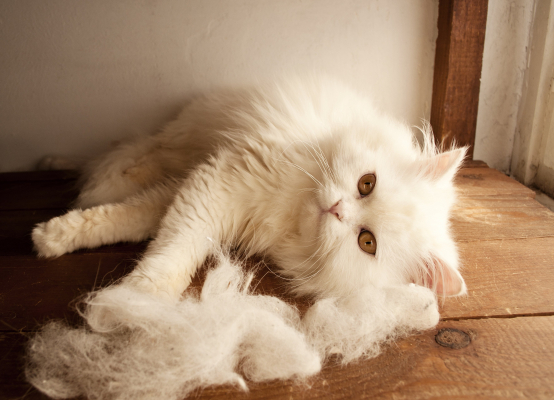
Už jsem měla možnost navštívit mnoho domácností a nešlo si nevšimnout, že některé se potýkají s chomáči chlupů poletujícími po podlaze a přistávajícími všude, kde se dá. Někdo však tento boj vyhrává, zatímco jiný naopak – přitom stačí řídit se...

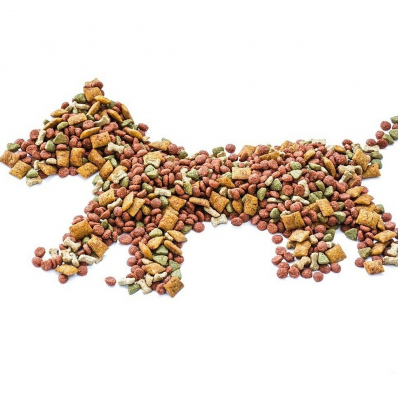
Nejlepší z cest, jak odhadnout kvalitu krmiva, je přečíst si pečlivě jeho etiketu. Jaké náležitosti musí mít, je pevně dané zákonem, ale i tak se ji někteří výrobci snaží poupravit ve vlastní prospěch. V následujícím textu se dozvíte, jak etiketu...

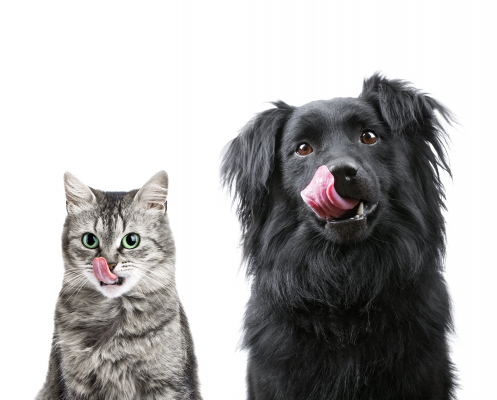
Nakrmit psa rozhodně není totéž jako nakrmit kočku. A nejde jen o to, komu je snazší se jídlem zavděčit. Složení jejich krmiv a rituály krmení se v mnohém liší. O nejzásadnějších rozdílech jsem si popovídala s odborníkem na výživu Ing. Martinem Kvášem:

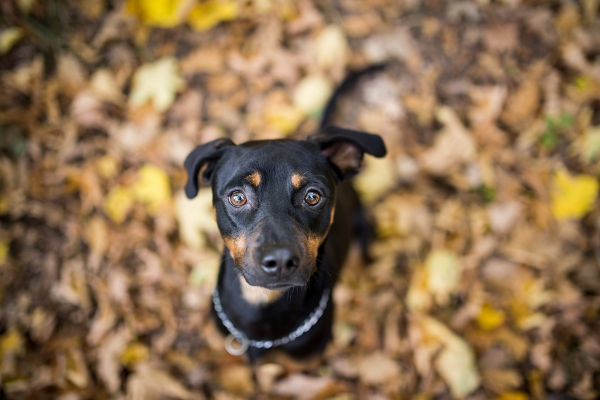
Podzim je asi nejfotogeničtější roční období, proto jsem požádala Lukáše Skalického, aby se s fanoušky Britu podělil o svoje bohaté zkušenosti se zachycováním psů uprostřed barevného listí. Tady jsou jeho postřehy:

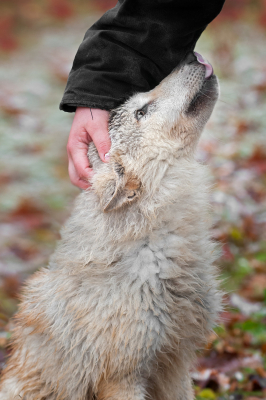
Že vlk a pes nejsou stejní, je známá věc a leckdo by si řekl, že už není potřeba ji dál „rozmazávat“. Mě osobně ale sledování oněch drobných nuancí, které je dělají jiným druhem po psychické stránce, zkrátka baví. Díky výzkumům, které provádějí dámy...

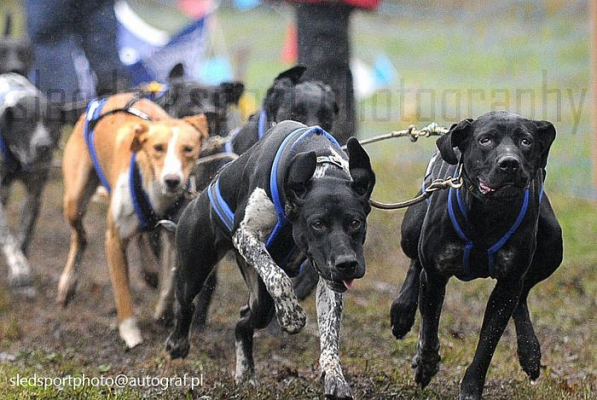
Jel jsem s Michalem a bylo to fajn, jelikož řídil tam i zpět (samozřejmě nejen kvůli tomu). Není vůbec špatný se nechat vozit. To z práce fakt neznám.