
Jak rozumět obsahu živin
V návaznosti na články Jak rozumět etiketě krmiv a Jak se vyznat v surovinách použitých v krmivu vám tentokrát stručně přiblížím požadavky kladené na uvádění živin obsažených v krmivu.
Kittens, as well as a number of other animal offspring, are born blind. Their eyes open around the tenth day of their life and only after another week, they are fully functional. Even though the sight in a cat belongs among the best-developed senses, cats are slightly short-sighted for their whole lives.
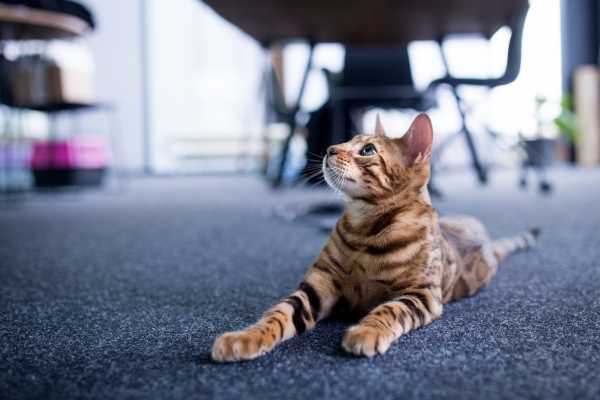
Kittens, as well as a number of other animal offspring, are born blind. Their eyes open around the tenth day of their life and only after another week, they are fully functional. Even though the sight in a cat belongs among the best-developed senses, cats are slightly short-sighted for their whole lives.
Cat’s sight has the greatest sharpness when observing at a distance of two to six meters. But what happens right in front of its nose, the cat recognises rather through smell or using its whiskers, same as in the first days after the birth, when it’s directly dependent on these senses. What causes that?
Cat has limited eye mobility to the sides comparing to humans and also a smaller field of view. While we have about 220 degrees, cats have 205 degrees. However, it can better focus even on the edges of the field of view, because its eye lens is more bent. It also compensates it by a greater degree of spatial vision, which is for it, as for a hunter of small rodents in uneasy terrain, a great advantage.
Cats can also see really well in the dark. How come? Their cornea is more convex, so it captures more light beams. The pupil dilates depending on the amount of light. The less there is, the larger the pupil gets. It can cover almost the entire iris and thereby it lets maximum amount of light in the eye. This again corresponds with the life rhythm of the cat. Since it often hunts at twilight or in the dark. Under direct light, we can hardly see the pupil. It pulls back into a thin strip to protect the sensitive retina.
This brings us to another difference. While people have their pupil round under every light, the cat’s pupil pulls back into an elliptical shape, a thin strip. This happens, because it is closed by two muscles from the sides.
Cat’s eye is unique since a cat, as the only animal, has one extra vascular layer behind the retina - the so-called tapetum lucidum. It is composed of layers of reflective cells, a kind of “mirror”. The beams that once pass through the retina, reflect from it on the second reflective layer and they stimulate the receptors again. You could say, that every beam of light is used twice. That’s why cats need only a minimum amount of light for seeing. This reflective layer is also responsible for the effect of shining cat eyes.
When it comes to the colour seeing of cats, we still don’t understand it completely. However, it is deemed, that cats don’t put too much weight on colours. For example, rather than by colour, the kittens choose toys depending on whether they’re moving, making a sound or because of higher temperature. So far, we’ve only found that cat eyes contain cones that react to blue, green and yellow colour, while cones for red are missing completely.
From humans, the cat differs by the fact, that its eye has also a third eyelid, a winking membrane. It is only a thin membrane that constantly moistens and cleans the eye. That’s why cats almost don’t have to blink. This applies to cats around the whole world. What distinguishes the fluffy guys between them is the shape of the eye and their colour. Particularly the eye colour, next to slight deviations from head anatomy, is one of the important characteristics of the individual breeds.
Whether you’re rearing a cat anywhere, the cat’s eyes are an incredible organ without any doubt, which surpasses human eyesight in many respects :).

V návaznosti na články Jak rozumět etiketě krmiv a Jak se vyznat v surovinách použitých v krmivu vám tentokrát stručně přiblížím požadavky kladené na uvádění živin obsažených v krmivu.

Před časem jsem pro vás napsala článek o tom, že lovecký výcvik není nutně jen záležitostí myslivců, pak jsem se za vás zeptala Ireny Schneiderové, jaké to je být lovec začátečník, a teď přišel čas vyzpovídat skutečnou profesionálku – Silvii...


Antibiotika si rozhodně zaslouží naši vděčnost, ovšem pozor – všeho moc škodí. Měla by se užívat pouze s rozumem, v opodstatněných případech a správným způsobem. To ale neznamená, že byste se jich měli obávat. Jen je dobré vědět o nich něco víc....

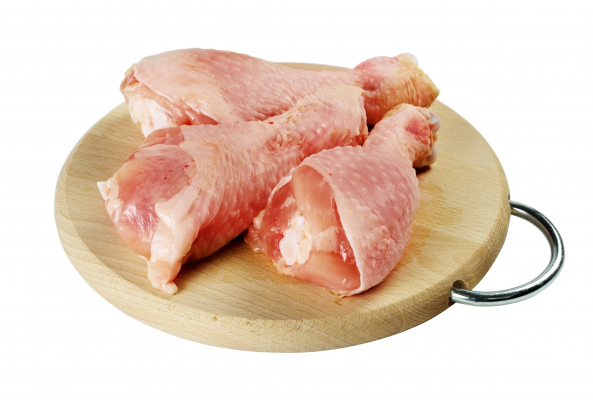
Posoudit kvalitu krmiva pouze ze seznamu surovin není pro běžného chovatele snadné. Chce to nejen rozumět názvům konkrétních surovin a pochopit, co přesně tyto názvy znamenají, ale současně být schopný odhalit i občasné drobné „triky“ některých výrobců.

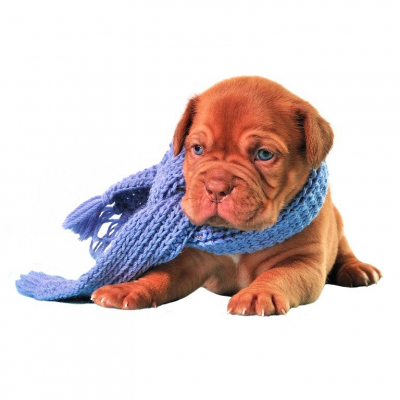
V podzimních měsících stejně jako nás i psy trápí různá infekční onemocnění způsobující kašel. Tyto infekce mají mezi chovateli spoustu názvů, mezi nimi je i psí chřipka, ale ve skutečnosti se přímo o chřipku nikdy nejedná. Pro příznaky uvedené níže v...

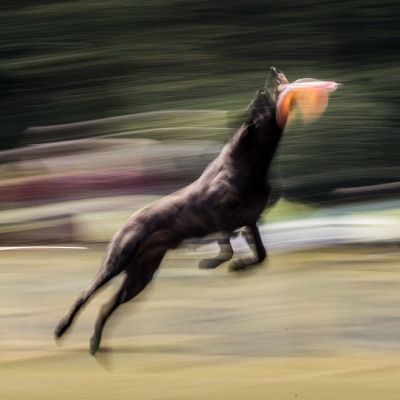
Kdy dělají psi nejvtipnější obličeje? Většinou když běží, že ;) A protože snad každý má rád vtipné fotky svého psa, podíváme se dnes na tuto „disciplínu“ zblízka s fotografem Lukášem Skalickým.

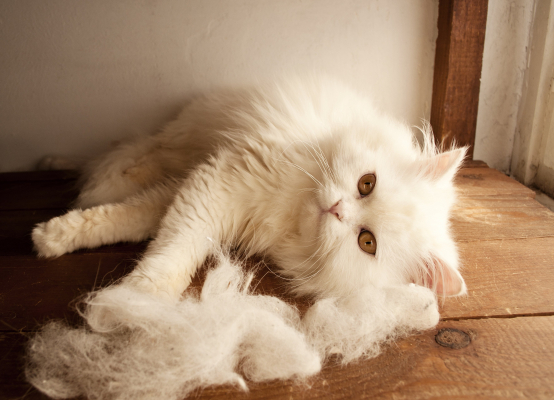
Už jsem měla možnost navštívit mnoho domácností a nešlo si nevšimnout, že některé se potýkají s chomáči chlupů poletujícími po podlaze a přistávajícími všude, kde se dá. Někdo však tento boj vyhrává, zatímco jiný naopak – přitom stačí řídit se...

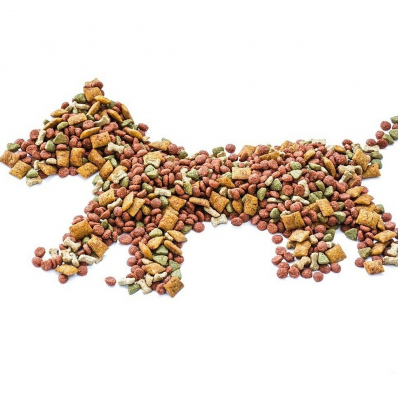
Nejlepší z cest, jak odhadnout kvalitu krmiva, je přečíst si pečlivě jeho etiketu. Jaké náležitosti musí mít, je pevně dané zákonem, ale i tak se ji někteří výrobci snaží poupravit ve vlastní prospěch. V následujícím textu se dozvíte, jak etiketu...

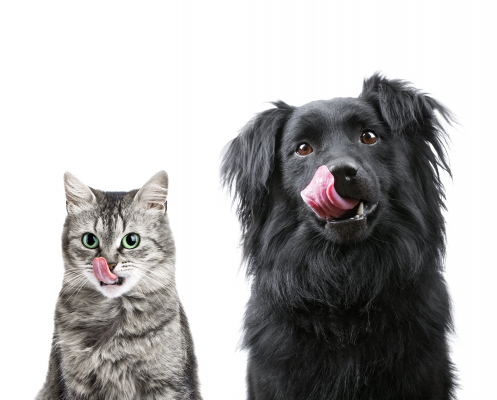
Nakrmit psa rozhodně není totéž jako nakrmit kočku. A nejde jen o to, komu je snazší se jídlem zavděčit. Složení jejich krmiv a rituály krmení se v mnohém liší. O nejzásadnějších rozdílech jsem si popovídala s odborníkem na výživu Ing. Martinem Kvášem:

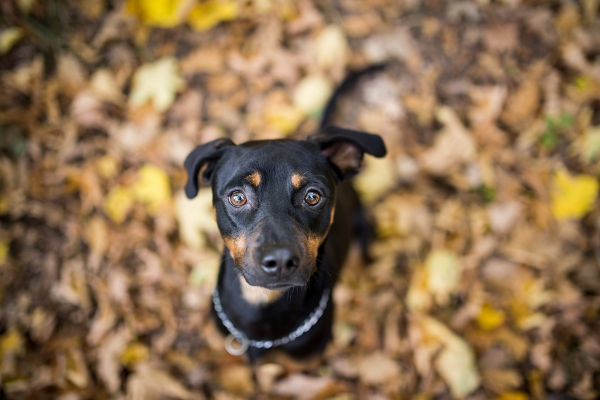
Podzim je asi nejfotogeničtější roční období, proto jsem požádala Lukáše Skalického, aby se s fanoušky Britu podělil o svoje bohaté zkušenosti se zachycováním psů uprostřed barevného listí. Tady jsou jeho postřehy:

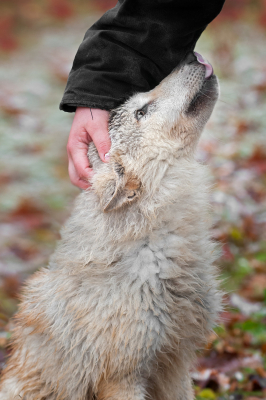
Že vlk a pes nejsou stejní, je známá věc a leckdo by si řekl, že už není potřeba ji dál „rozmazávat“. Mě osobně ale sledování oněch drobných nuancí, které je dělají jiným druhem po psychické stránce, zkrátka baví. Díky výzkumům, které provádějí dámy...

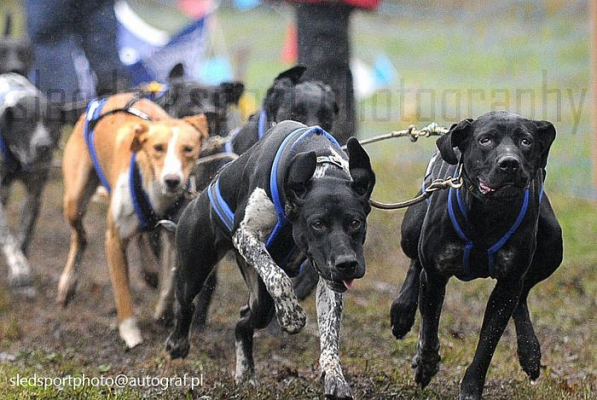
Jel jsem s Michalem a bylo to fajn, jelikož řídil tam i zpět (samozřejmě nejen kvůli tomu). Není vůbec špatný se nechat vozit. To z práce fakt neznám.