How to tame a chinchilla? Guard yourself with patience
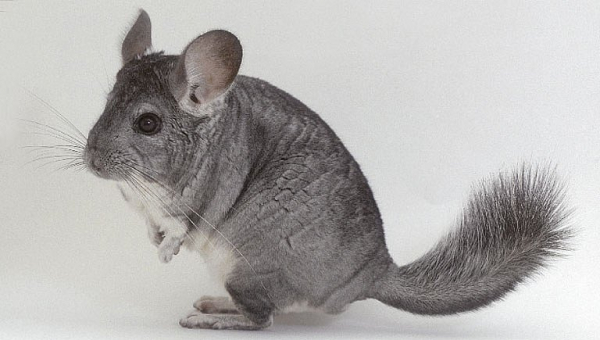
With their appearance, the chinchillas just attract cuddling. They look a bit like plush toys and their eyes like beads give them a friendly and a kind-hearted look. But don’t let yourself be fooled! These rodents are definitely no phlegmatic pets with which you could do whatever you want. It is an arduous task to gain their trust and to tame them.
And some extremely coy individuals won’t let themselves be tamed at all. My friend had a chinchilla for fourteen years and even she never quite succeeded. In short, her chinchilla was at her most satisfied in her spacious cage where she possibly felt to be most safe. The chinchilla didn’t like to cuddle or to be scratched very much, not even at later age. Sometimes, she didn’t want to leave the cage at all.
Maybe this chinchilla wasn’t only coy, but also a bit moody…
Nevertheless, not every chinchilla is the same, so maybe it will be you who succeeds in taming yours quite a bit more. But how to go about it? Experienced breeders advise that at first, you should let the chinchilla to get used to a new environment. After you bring it home, you should give them time to find their footing and not stress them with unnecessary stimuli. Simply don’t disturb them and let them breathe for a while.
After a few days, you can start taming them. The animal should start getting used to you slowly, because chinchillas are quite sensitive to stress and nervous strain. Therefore, avoid their proximity and refrain from any fast or abrupt movements, since these scare the chinchillas. The best thing to do, is to leave the animal in the safety of their cage at first, and to start offering various treats through the grid. If your chinchilla doesn’t want to take the treats from your hand, lay them inside the cage, but leave your hand withing reach for them to get used to you. After some time, they will embolden and even take the food from your hand.
Maybe, after some time, you will achieve that the chinchilla allows you to stroke them. Breeders claim that these rodents usually prefer being stroked in the environment that is familiar to them – inside their cage rather than outside of it. The pinnacle of domestication is allegedly when the chinchilla climbs across your hand to your shoulder and nestles there. However, my friend never succeeded to do such a piece with her extremely shy chinchilla.
So if you want an animal mainly for cuddling and you feel that you won’t have patience for slow taming, you should consider whether a chinchilla is the right choice for you. Since even the domesticated animals aren’t especially cuddly. But if you’re someone whom it suits that their pet still keeps a little bit of ferocity and coyness at heart, then this rodent is the right companion for you.
Vánoce jsou časem pohody, rodinných setkání a radosti. Pro čtyřnohé členy rodiny však mohou být sváteční dny někdy stresující, nebo dokonce nebezpečné, pokud na jejich potřeby zapomeneme. Abyste si Vánoce užili naplno i se svým čtyřnohým přítelem,...
V zimě vytahujeme teplé bundy a kabáty a balíme se do početných vrstev oblečení, abychom se ochránili před vlezlým mrazem. Jak to mají psi? Jsou pro ně oblečky zbytečným výstřelkem, nebo je lepší se na zimu vybavit pěkným kabátkem, který jim pomůže...
Vánoce jsou za dveřmi a je na čase přemýšlet, jestli jste sehnali všechny dárky pro svoje blízké. Nezapomněli jste na svého domácího mazlíčka? S těmito tipy nešlápnete vedle!
Zvažujete, že si přivedete nového člena rodiny? Pokud přemýšlíte o prvním mazlíčkovi, stojí před vámi velké rozhodnutí. Různí mazlíčci mají své specifické potřeby, ale všichni vyžadují dostatek péče a pozornosti. S výběrem byste si proto měli dát...
Ačkoliv se traduje, že pes a kočka jsou přirozenými nepřáteli, v mnoha případech si mohou vytvořit silné přátelství. Jejich soužití pod jednou střechou opravdu nemusí být soubojem dvou neslučitelných rivalů. Důležité je překonat trochu krušnější...
S podzimním počasím a barevným listím přichází také čas viróz. A ty se netýkají jen lidí, ale i našich domácích mazlíčků. I psi totiž můžou prochladnout nebo chytit nějakou nepříjemnou virózu.
Podzimní období je ideálním obdobím pro aktivity, které si se svým psem můžete užít bez letních veder. Chladnější vzduch a barevná příroda přímo lákají k výletům a hrám na čerstvém vzduchu. Přinášíme vám šest tipů, jak s pejskem strávit krásný...
Pijí nám krev, a to doslova. Řeč je o nepříjemných parazitech, se kterými se setkal skoro každý chovatel (nejen) domácích mazlíčků. Blechy může chlupáč chytit zcela nečekaně a tento problém se nemusí vyhnout i těm nejčistotnějším z nás. A bohužel ani...
Otrava psa je velkým strašákem všech pejskařů, a to oprávněně. Někdy stačí jen malá chvilka nepozornosti a pes sní něco, co mu může zadělat na vážné zdravotní problémy. Pokud se váš pejsek otráví, je rychlá reakce opravdu důležitá. Čím rychleji se...
Stejně jako lidé i psi mohou trpět postupným selháním zraku, například vlivem věku nebo onemocnění. Psovi, kterému se zhoršuje zrak, bohužel nepomohou brýle, ale jeho pán pro něj může udělat mnohé. Přestože péče o slepého či slepnoucího psa může být...
Sphynx je jedinečné plemeno koček, které okamžitě upoutá pozornost svým neobvyklým vzhledem. Na první pohled může tato kočka působit zvláštně a kvůli absenci srsti mnoho lidí odpuzuje. Jakmile ji ale poznáte blíže, snadno pochopíte, proč si tolik...
S příchodem podzimu a chladnějších měsíců vytahujeme teplé oblečení ze skříní a užíváme si večery v teple domova. V tomto období je potřeba myslet také na naše mazlíčky, aby zvládli zimní měsíce v pohodě a ve zdraví.