How to tame a chinchilla? Guard yourself with patience
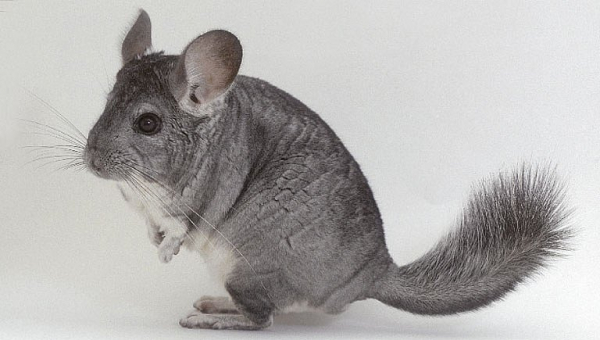
With their appearance, the chinchillas just attract cuddling. They look a bit like plush toys and their eyes like beads give them a friendly and a kind-hearted look. But don’t let yourself be fooled! These rodents are definitely no phlegmatic pets with which you could do whatever you want. It is an arduous task to gain their trust and to tame them.
And some extremely coy individuals won’t let themselves be tamed at all. My friend had a chinchilla for fourteen years and even she never quite succeeded. In short, her chinchilla was at her most satisfied in her spacious cage where she possibly felt to be most safe. The chinchilla didn’t like to cuddle or to be scratched very much, not even at later age. Sometimes, she didn’t want to leave the cage at all.
Maybe this chinchilla wasn’t only coy, but also a bit moody…
Nevertheless, not every chinchilla is the same, so maybe it will be you who succeeds in taming yours quite a bit more. But how to go about it? Experienced breeders advise that at first, you should let the chinchilla to get used to a new environment. After you bring it home, you should give them time to find their footing and not stress them with unnecessary stimuli. Simply don’t disturb them and let them breathe for a while.
After a few days, you can start taming them. The animal should start getting used to you slowly, because chinchillas are quite sensitive to stress and nervous strain. Therefore, avoid their proximity and refrain from any fast or abrupt movements, since these scare the chinchillas. The best thing to do, is to leave the animal in the safety of their cage at first, and to start offering various treats through the grid. If your chinchilla doesn’t want to take the treats from your hand, lay them inside the cage, but leave your hand withing reach for them to get used to you. After some time, they will embolden and even take the food from your hand.
Maybe, after some time, you will achieve that the chinchilla allows you to stroke them. Breeders claim that these rodents usually prefer being stroked in the environment that is familiar to them – inside their cage rather than outside of it. The pinnacle of domestication is allegedly when the chinchilla climbs across your hand to your shoulder and nestles there. However, my friend never succeeded to do such a piece with her extremely shy chinchilla.
So if you want an animal mainly for cuddling and you feel that you won’t have patience for slow taming, you should consider whether a chinchilla is the right choice for you. Since even the domesticated animals aren’t especially cuddly. But if you’re someone whom it suits that their pet still keeps a little bit of ferocity and coyness at heart, then this rodent is the right companion for you.
O kočkách lidé často uvažují jako o všežravcích, kteří mohou sníst opravdu cokoliv. Opak je bohužel pravdou. Kočky jsou nejen vybíravé, ale zároveň existuje celá řada potravin, které jsou pro ně nevhodné, nebo dokonce nebezpečné. Proto si vždy dobře...
Voda a léto patří k sobě – a mnoho psů miluje koupání a stejně jako jejich majitelé během horkých dní uvítají toto příjemné ochlazení. Ať už se chystáte k rybníku, řece, nebo moři, je důležité pamatovat na několik zásad, které zaručí, že bude koupání...
Otravy psů jsou bohužel poměrně časté a s příchodem léta a teplého počasí se riziko otravy ještě zvyšuje. Zkažené jídlo, mořská voda, sinice i jedovaté rostliny mohou ohrozit zdraví psa během chvilky. Díky znalosti prvních příznaků a včasnému zásahu...
To, že kočka není pes a má jiné nároky na výživu, už většina chovatelů ví. Přesto se dopouštějí drobných chyb, které mohou vést k nadváze, zažívacím potížím nebo nedostatku důležitých živin. Je proto dobré nezapomínat, že i kočičí stravování má svá...
Dovolená se psem může být skvělým zážitkem! Je ale dobré se na společné dobrodružství připravit. Každá změna prostředí a rutiny totiž může představovat pro zvíře větší či menší výzvu. Dovolenou je proto potřeba plánovat s ohledem na potřeby psa, aby...
Přestože kočky milují teplo a vyhřívání se na prosluněných místech, ani jim nemusí letní vedra dělat dobře. I kočkám totiž během tropických teplot hrozí přehřátí a dehydratace. V článku proto přinášíme tipy, jak kočkám v létě co nejvíce usnadnit...
Léto přináší nejen slunečné dny, ale i celou řadu rizik pro vašeho psa – od přehřátí a poranění tlapek až po skrytá nebezpečí během pobytu u vody. Abyste prožili léto bez starostí a zbytečných návštěv veterináře, je dobré myslet na bezpečnost. V...
Letní dovolené jsou pro nás časem odpočinku a vítané změny každodenní rutiny. Pro kočky může být ale váš odjezd na dovolenou stresující. Přestože jsou na rozdíl od psů více vázané na místo, ve kterém žijí, a obecně snášejí samotu o něco lépe, vaše...
Kočky jsou velmi citlivé na změny, a to platí i o jejich trávení. Občasné zažívací potíže proto nejsou ničím výjimečným, a pokud se vyskytují jen zřídka a netrvají déle než pár dní, není potřeba se zbytečně stresovat. Jestliže se jedná o silný akutní...
Stáří se nevyhýbá nikomu, ani psům. A stejně jako u lidí, i u psů přináší stáří změny v chování, návycích nebo v celkové kondici psa a mění se také jeho nároky na výživu. S přibývajícím věkem se zpomaluje metabolismus, snižuje se aktivita a mohou se...
Cestování většinou není pro kočky příliš oblíbenou činností. Jsou často fixované na svůj prostor, rutinu a pocit bezpečí. Cestování s kočkou ale nemusí být nemožné a jde to i bez velkého stresu. Musíte ale dobře znát povahu své kočky a na cestování...
Letní horka jsou rok od roku náročnější a ani letos se nám nevyhnou. Vysoké teploty dávají zabrat nejen nám, ale představují silnou zátěž i pro organismus našich domácích zvířat. Během léta se jim proto snažíme horké dny co nejvíce zpříjemnit. Je...