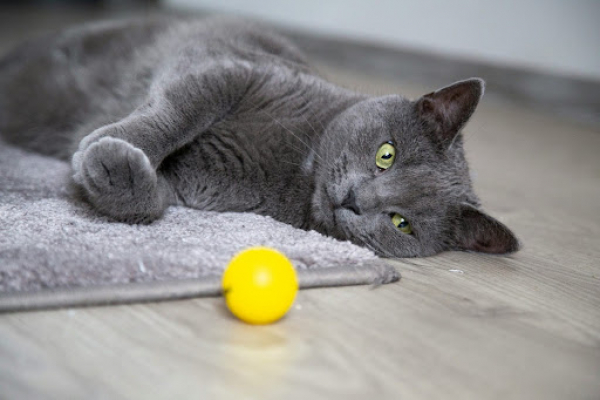
Did you know that the domestic cat which is now kept as a pet all over the world, is probably a domesticated form of the wild cat, specifically of its subspecies the African wildcat, European wildcat and Asiatic wildcat?
Did you know that the domestic cat which is now kept as a pet all over the world, is probably a domesticated form of the wild cat, specifically of its subspecies the African wildcat, European wildcat and Asiatic wildcat?
Cat has accompanied humans already for thousands of years. The oldest existing records of existence of domesticated cats come from the time of 8,000 years ago from Turkey. However, its domestication started already with first stable human settlements, approximately 12,000 years ago. Humans have spread the domestic cat around the whole world where it’s still kept in many households.
Egypt
The greatest glory of the cat occurred in Egypt where it became a significant part of the human life around the year of 3,000 BC. The ancient Egyptians worshipped the cat as a deity. According to them, it had the power to protect humans from evil. That’s why killing of a cat was punished by death and body of a dead cat was embalmed. The most sacred was the black cat who protected the Egyptian temples, it even had its own goddess Bastet. Although export of cats from Egypt was prohibited, thanks to traders, these protectors of harvest still spread into the whole Mediterranean.
China
In China, the breeding of cats started around 1,000 BC. Cat wasn’t missing in any temple and it was under the protection of the Buddhist religion, it was allegedly supposed to protect from poverty. However, a superstition also comes from China, that black cat bears bad luck.
India
In India, the domestication of the cat occurred at the break of the era. Cat was worshipped here in the form of the goddess of fertility Shashthi. Nevertheless, the Indians believed, that fallen-out cat hair can ritually foul a man.
Japan
Cat got to Japan only at the beginning of the Middle Ages from China. Its task here was to guard the cocoons of the silkworm and to protect old manuscripts in temples from rats. The Japanese also believed, that a cat who will live up to a hundred years will turn into a witch.
Greece
First evidence in Europe comes precisely from Greece, from the 5th century BC, when the cat started to appear in various depictions on ceramics, specifically on vases. Here, the cat was associated with the goddesses Aphrodite and Artemis.
Rome
Cat got to Rome at the same time as to India, at the break of the era, and it became a decoration of palaces. But soon, it spread also to the lower classes. Although the Romans overtook the cult of the goddess Artemis from the Greeks (they called it Diana themselves), they had a rather pragmatic approach towards cats as the hunters of rodents.
England and Scotland
The cat was brought to England only by Roman legionnaires on their military campaigns. As in the rest of Europe, the cat was protected by law in England and its killing was strictly penalised.
Although the cat was respected almost everywhere, the view of the people changed soon afterwards and their persecution began. You’ll read more in the next article.
Odmítání potravy se nevyhýbá ani zvířatům. Naopak, nechutenství je častým problémem, se kterým se majitelé psů setkávají. Pokud pes přestane přijímat běžnou krmnou dávku, může jít o dočasnou změnu nebo známku hlubšího problému.
Adopce mazlíčka je krok, který může změnit život vám i psovi či kočce, kteří v útulku čekají na svůj vysněný domov. A přestože adopce zvířete většinou přináší mnoho radosti, je dobré počítat s tím, že představuje specifické výzvy a často vyžaduje...
Stěhování patří mezi velmi stresující zážitky nejen pro nás, ale především pro naše kočičí společníky. Kočky jsou teritoriální zvířata, která milují rutinu a známé prostředí. Změna domova pro ně znamená ztrátu všech jistot – známých pachů, zvuků i...
Soužití dítěte a psa má mnoho benefitů a zvíře na dítě může mít velice dobrý vliv. Zároveň ale platí, že pes není hračka, a jejich vzájemný vztah vyžaduje vedení, jasná pravidla i vzájemný respekt. Přestože svou roli hraje i správná volba...
O kočkách lidé často uvažují jako o všežravcích, kteří mohou sníst opravdu cokoliv. Opak je bohužel pravdou. Kočky jsou nejen vybíravé, ale zároveň existuje celá řada potravin, které jsou pro ně nevhodné, nebo dokonce nebezpečné. Proto si vždy dobře...
Voda a léto patří k sobě – a mnoho psů miluje koupání a stejně jako jejich majitelé během horkých dní uvítají toto příjemné ochlazení. Ať už se chystáte k rybníku, řece, nebo moři, je důležité pamatovat na několik zásad, které zaručí, že bude koupání...
Otravy psů jsou bohužel poměrně časté a s příchodem léta a teplého počasí se riziko otravy ještě zvyšuje. Zkažené jídlo, mořská voda, sinice i jedovaté rostliny mohou ohrozit zdraví psa během chvilky. Díky znalosti prvních příznaků a včasnému zásahu...
To, že kočka není pes a má jiné nároky na výživu, už většina chovatelů ví. Přesto se dopouštějí drobných chyb, které mohou vést k nadváze, zažívacím potížím nebo nedostatku důležitých živin. Je proto dobré nezapomínat, že i kočičí stravování má svá...
Dovolená se psem může být skvělým zážitkem! Je ale dobré se na společné dobrodružství připravit. Každá změna prostředí a rutiny totiž může představovat pro zvíře větší či menší výzvu. Dovolenou je proto potřeba plánovat s ohledem na potřeby psa, aby...
Přestože kočky milují teplo a vyhřívání se na prosluněných místech, ani jim nemusí letní vedra dělat dobře. I kočkám totiž během tropických teplot hrozí přehřátí a dehydratace. V článku proto přinášíme tipy, jak kočkám v létě co nejvíce usnadnit...
Léto přináší nejen slunečné dny, ale i celou řadu rizik pro vašeho psa – od přehřátí a poranění tlapek až po skrytá nebezpečí během pobytu u vody. Abyste prožili léto bez starostí a zbytečných návštěv veterináře, je dobré myslet na bezpečnost. V...
Letní dovolené jsou pro nás časem odpočinku a vítané změny každodenní rutiny. Pro kočky může být ale váš odjezd na dovolenou stresující. Přestože jsou na rozdíl od psů více vázané na místo, ve kterém žijí, a obecně snášejí samotu o něco lépe, vaše...